At a multi-day festival, stamina is the capacity to keep walking, standing, thinking clearly, and enjoying performances across long days—not simply the ability to dance hard for one set. It matters because festival conditions stack physical demands: heat, crowded routes, limited sleep, and hours on your feet. The Centers for Disease Control and Prevention (CDC) notes that heat illness can develop when the body cannot cool itself adequately, while sleep research consistently links insufficient rest with impaired alertness. Planning for endurance—through pacing, hydration, food, footwear, and recovery—can make the difference between enjoying the final day and needing to leave early.
Festival stamina: the physical attribute behind a better multi-day experience
Stamina is the ability to sustain physical or mental effort over time and recover sufficiently to continue. In a festival setting, that includes walking between stages, standing in crowds, managing heat and noise, and staying attentive when tired. It is not a single fitness score: a person may have strong cardiovascular endurance but still struggle with poor sleep, dehydration, painful shoes, or an overly ambitious schedule.
The scale of modern outdoor events helps explain why the attribute matters. The National Park Service advises visitors in hot conditions to drink water, rest, and reduce exertion during the hottest parts of the day. The CDC identifies heavy sweating, weakness, dizziness, headache, and nausea among signs of heat exhaustion. These are relevant risks for festivalgoers spending extended periods outdoors, although individual risk depends on weather, health, activity, clothing, and access to shade and water.
Cardiorespiratory endurance
Cardiorespiratory endurance is the ability of the heart and lungs to support sustained activity. At a festival, it helps with repeated walks across a large site and with moving through stairs, hills, or dense crowds. It does not mean every attendee needs an athletic training plan: ordinary walking in the weeks before an event can help prepare for long days, while breaks keep effort manageable.
Muscular endurance and time on your feet
Muscular endurance is the capacity of muscles to perform repeated or prolonged work. Feet, calves, hips, and lower back can all feel the effects of hours of standing and walking. The American Academy of Orthopaedic Surgeons recommends well-fitting, supportive shoes for walking; festival footwear should be broken in beforehand, comfortable on the attendee’s usual terrain, and suitable for weather and crowd conditions.
Mental stamina and decision-making
Mental stamina is the ability to maintain attention, mood, and judgment despite fatigue and stimulation. Sleep is a major part of that equation. The CDC recommends that adults ages 18–60 get at least seven hours of sleep a day. A late set followed by an early start can make it harder to navigate, remember plans, and recognize warning signs such as overheating or exhaustion. Building in sleep and quiet time is therefore part of festival preparation, not time wasted away from the music.
Festival stamina depends on pacing, recovery, and preparation
Once stamina is understood as a combination of physical capacity and recovery, the practical goal becomes managing demands rather than trying to power through them. Pacing, hydration, nutrition, and rest reinforce one another: a sensible schedule reduces unnecessary exertion, while regular recovery helps attendees stay comfortable and alert across multiple days.
Pacing and route planning
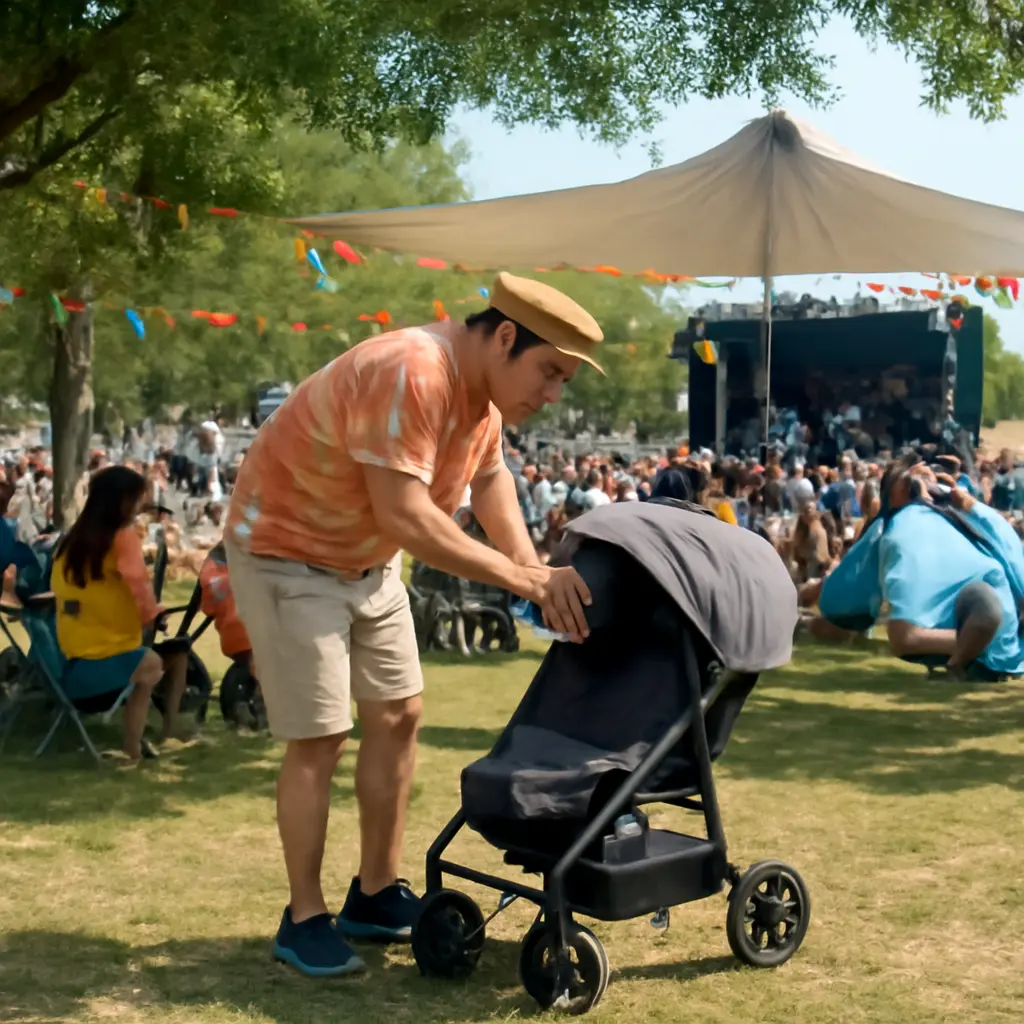
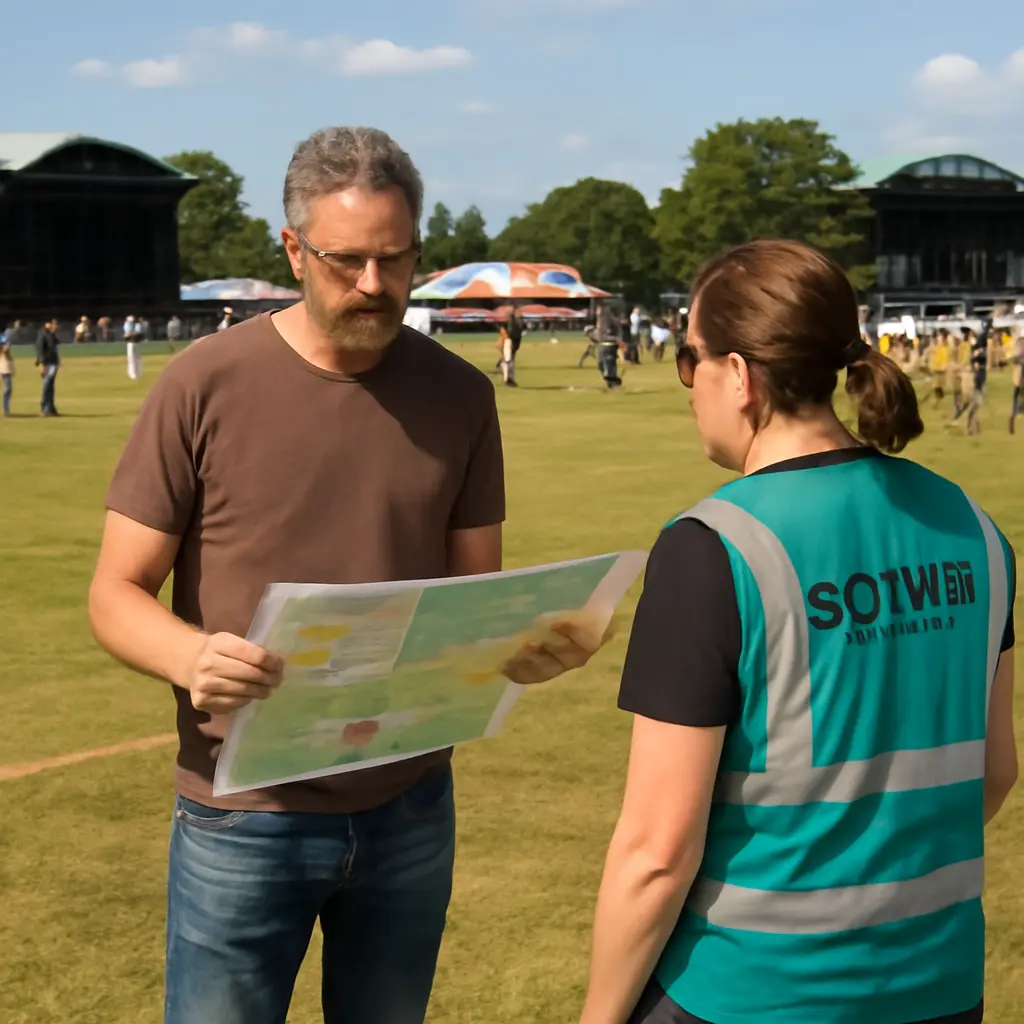
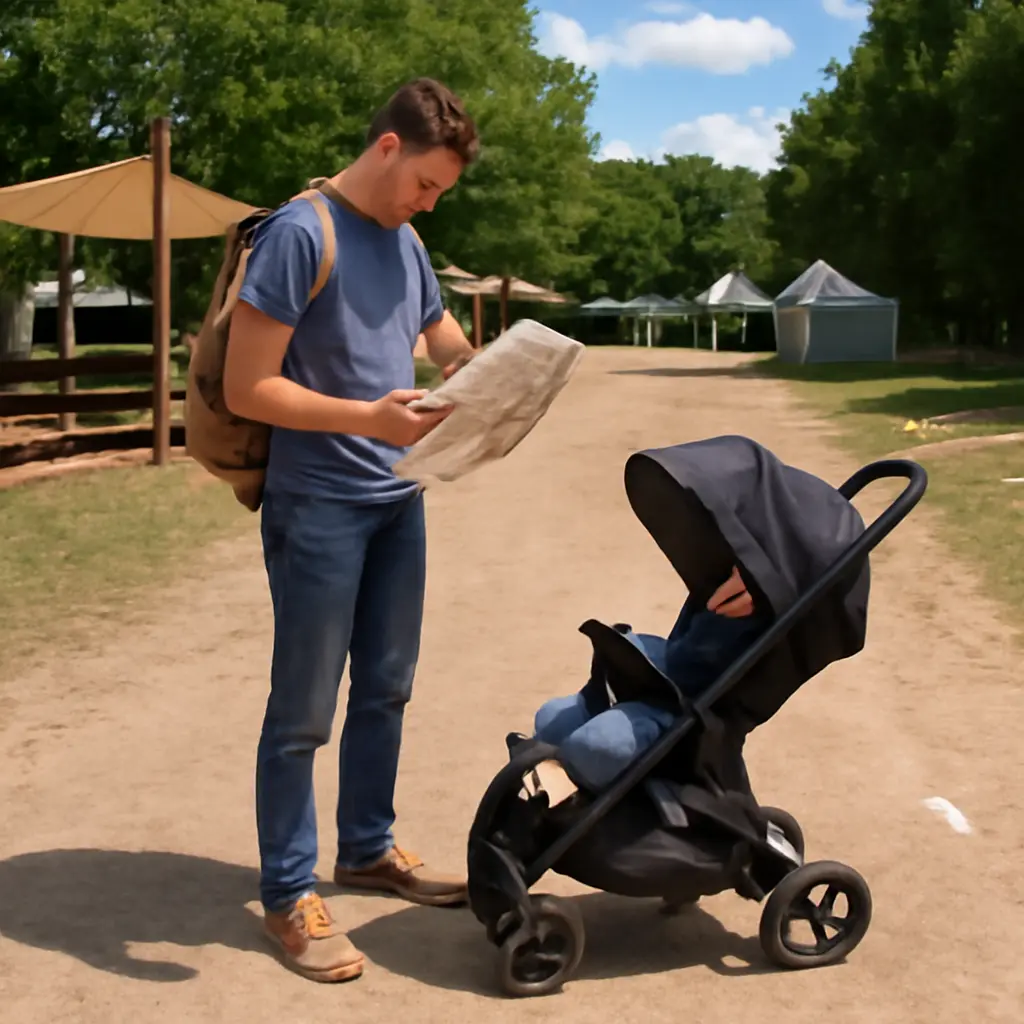
Pacing means distributing effort so that energy remains for later performances and days. Review the site map, account for walking time between stages, and choose a few priority sets instead of attempting to catch everything. Schedule sitting breaks and use quieter periods to eat, refill water, or find shade. If a route feels crowded or a stage area is too hot, changing plans is a sound safety decision—not a failed festival strategy.
Hydration and heat management
Hydration supports normal body functions, but needs vary with heat, exertion, health, and individual circumstances. The CDC advises taking steps to stay cool during hot weather, including spending time in air-conditioned spaces where possible and drinking fluids. Festivalgoers should follow venue guidance for water stations and local health advice, avoid treating excessive water intake as a performance goal, and seek help for concerning symptoms. Confusion, fainting, or very high body temperature can signal a medical emergency; contact event medical staff or emergency services promptly.
Shade, light breathable clothing, sunscreen, and cooling breaks can also reduce heat exposure. The National Weather Service’s heat-safety guidance emphasizes limiting strenuous activity during the hottest hours and checking on people at increased risk. A practical festival plan should identify shaded rest areas and medical tents before they are needed.
Food, sleep, and recovery
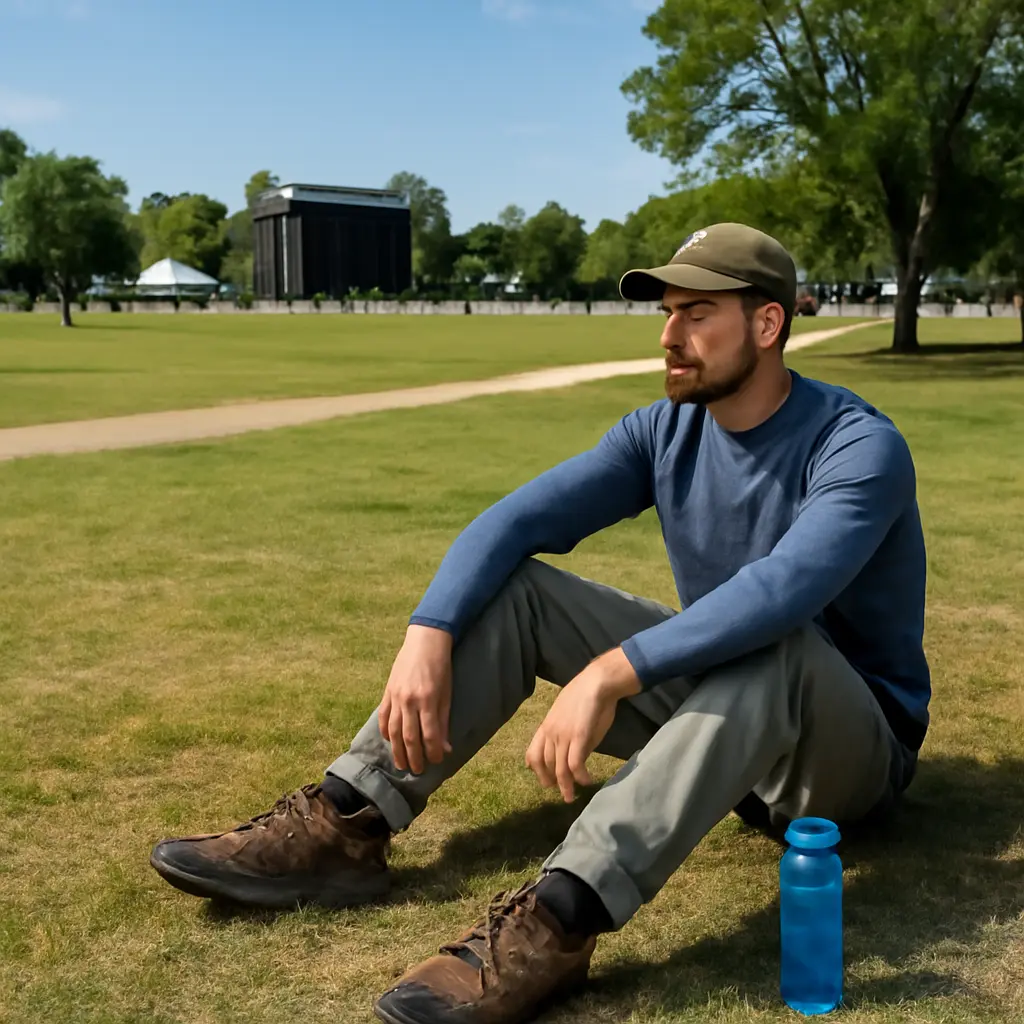
Regular meals and snacks can help attendees maintain energy during long days, while sleep provides essential recovery. Pack or purchase foods that are practical for the venue and compatible with personal dietary needs; do not rely on alcohol or caffeinated drinks as substitutes for food, water, or sleep. Protecting a consistent sleep window, using ear protection, and allowing a slower morning after a late night can support better functioning on subsequent days.
Festival stamina improves with realistic planning
A useful real-world approach is to treat a multi-day festival like a sequence of demanding days rather than one continuous party. Before the event, build up comfortable walking time and test footwear. On site, check the forecast, plan stage transitions, take breaks before exhaustion sets in, and keep a meeting point and emergency plan with companions. People with medical conditions, medication-related heat risks, or mobility concerns should consider advice from a health professional and review the venue’s accessibility and medical resources.
A simple chart could compare each day’s planned walking, late-night sets, and recovery windows. If the schedule shows little time for meals, sleep, or rest, it is a cue to revise the plan. The aim is not to maximize steps or stay awake longest; it is to preserve enough physical and mental capacity to enjoy the experience safely.
Conclusion: stamina protects the whole festival experience
Festival stamina combines cardiorespiratory endurance, muscular endurance, mental alertness, and recovery. It is shaped by practical choices: pacing between stages, supportive footwear, heat awareness, regular food and fluids, and enough sleep. Since fatigue and heat can affect both comfort and judgment, plan breaks as deliberately as performances, listen to your body, and seek medical help when symptoms are serious. For further preparation, consult official CDC and National Weather Service heat-safety guidance alongside the event’s own accessibility, water, and medical information.
Sources: Centers for Disease Control and Prevention, Heat and Health, https://www.cdc.gov/heat-health/; Centers for Disease Control and Prevention, About Sleep, https://www.cdc.gov/sleep/about/index.html; National Park Service, Heat Safety, https://www.nps.gov/articles/heat-illness.htm; National Weather Service, Heat Safety, https://www.weather.gov/safety/heat; American Academy of Orthopaedic Surgeons, Foot and Ankle Conditioning Program, https://orthoinfo.aaos.org/en/recovery/foot-and-ankle-conditioning-program/