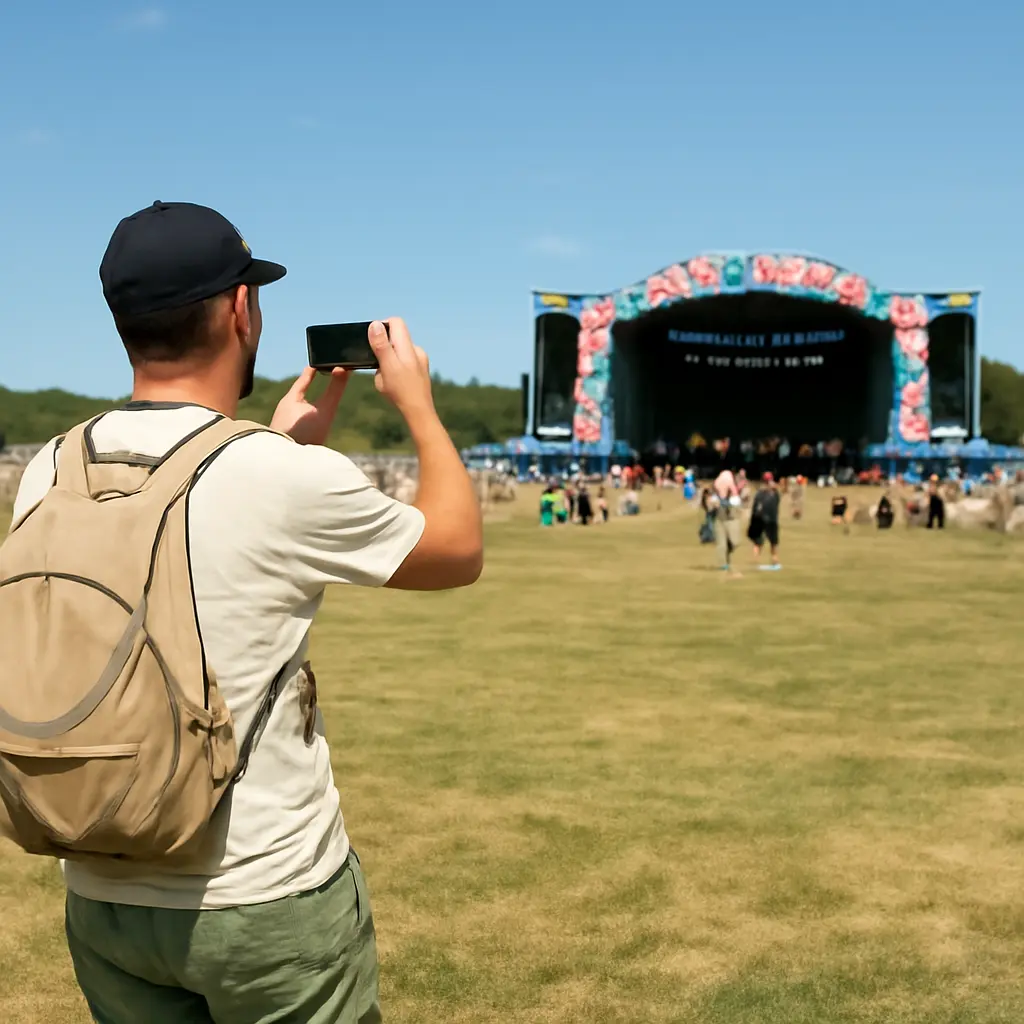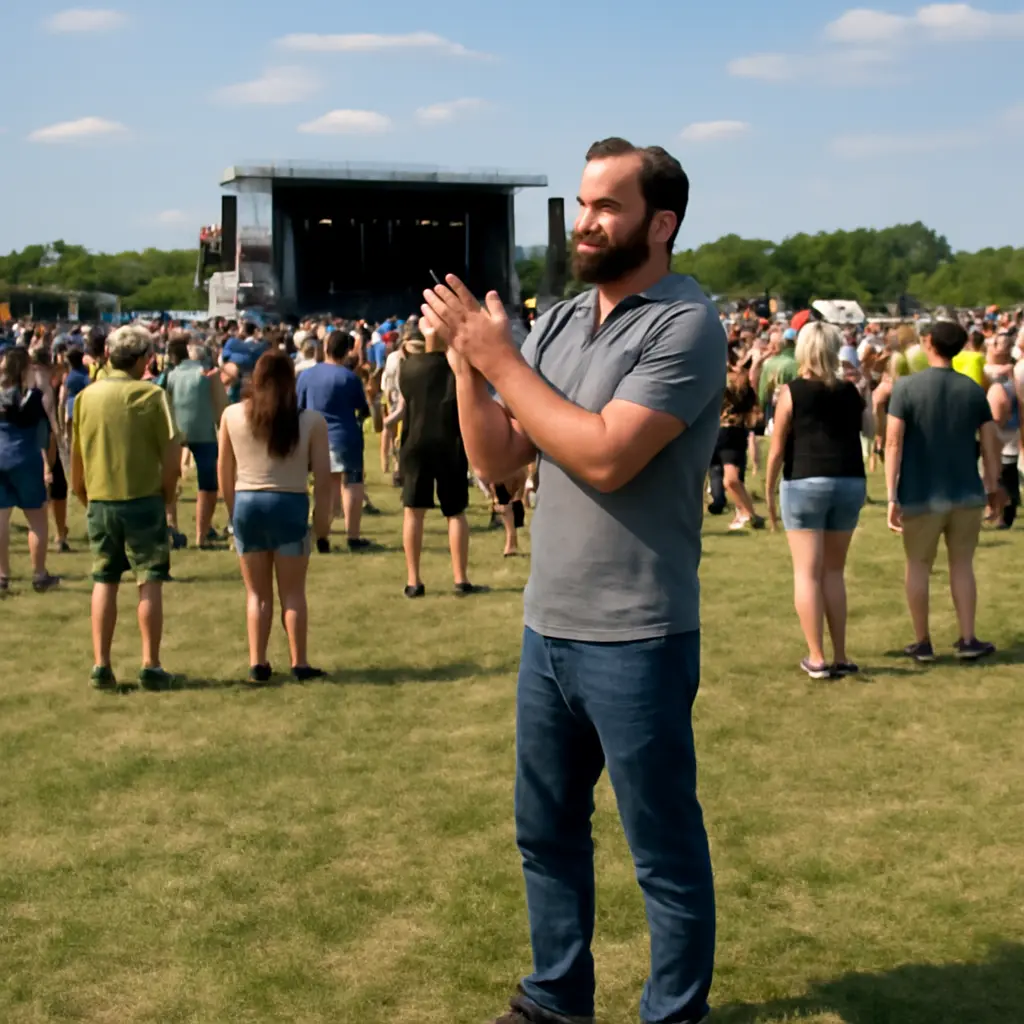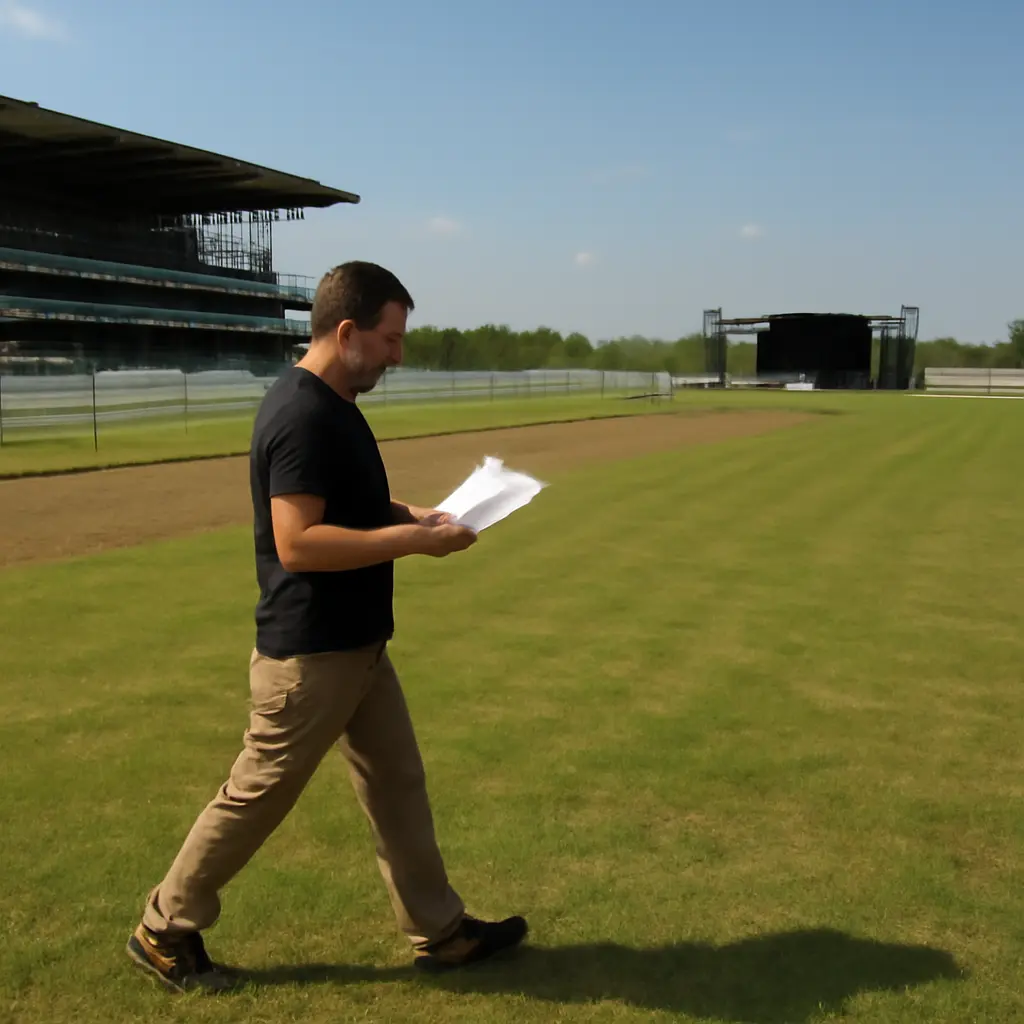
Racecourse-to-concert-venue conversions turn underused sporting grounds into large-scale live-music destinations by repurposing existing land and infrastructure for festivals. Examples such as England’s Newmarket Racecourses and Australia’s Pakenham Racecourse show how venues can host major events while retaining their original sporting identity. Their success depends on more than open space: transport, crowd safety, sound management, local-community relationships, and reliable event demand all matter. Together, these factors explain how former or still-active racecourses can become valuable cultural destinations—and why the model is not automatically suitable for every site.
Racecourse-to-music-venue conversion: what the model means
A racecourse-to-music-venue conversion is the adaptation of a racing property for concerts or festivals, either temporarily or as a recurring part of its calendar. The term does not necessarily mean a racecourse has been abandoned: some sites continue racing while using their lawns, grandstands, car parks, and access roads for music events. In practical terms, the model ranges from occasional concerts to festival destinations with established annual programs.
The attraction is straightforward: racecourses often have extensive grounds, defined entrances, crowd-control infrastructure, and space for stages and temporary facilities. But land area alone does not establish capacity. Safe attendance depends on usable event space, emergency access, transport throughput, amenities, and the layout of barriers and stages. Promoters and venue operators therefore need to assess the event footprint rather than treat a site’s total acreage as its audience limit.
The wider relevance is economic and cultural. A successful music program can add activity outside racing days and create work for event crews, suppliers, hospitality businesses, and transport operators. At the same time, noise, traffic, and disruption can impose costs on nearby communities. The most useful way to evaluate the model is to distinguish its main formats, examine real-world examples, and then consider the operational conditions that determine whether a venue can sustain repeat events.
Formats of racecourse music destinations
Racecourse music venues fall into several related categories. They differ in frequency, scale, and how deeply music is integrated into a property’s long-term purpose.
Single-event concert sites
A single-event site hosts a concert or festival occasionally, without maintaining a continuous music program. The operator may hire out the grounds to a promoter, who brings in stages, sound systems, fencing, food concessions, and temporary toilets. This arrangement can test local demand before a venue commits to recurring events, but each event still requires detailed planning for access, emergency response, and reinstating the grounds afterward.
Recurring festival destinations
A recurring destination hosts a recognizable annual or seasonal music event that attracts audiences beyond its immediate area. Repetition can help organizers build audience awareness and coordinate with local services, while also making the event’s effects more predictable. Newmarket Racecourses in Suffolk, England, illustrate this overlap between racing and live music: the venue’s official event program includes the Newmarket Nights concert series alongside racing fixtures. The example is better understood as a multifunctional racecourse than as a wholly abandoned racing ground.
Permanent or multi-use entertainment venues
A permanent multi-use venue incorporates concerts into its operating strategy, using its grounds and facilities for several kinds of events. Pakenham Racecourse in Victoria, Australia, provides a related example of an active racing venue used for major music events: its official materials have promoted the Pakenham Cup and live entertainment, while the site has also hosted large-format concerts. This illustrates the core principle of reuse, although the specific event scale and capacity must be checked against current organizer and venue information for each show.
How racecourse assets support music events
Once the event format is clear, the next question is what the racing property contributes. Existing assets can reduce the need to develop a venue from scratch, but their suitability depends on how they are configured for concert use.
Open grounds and adaptable layouts
Racecourse grounds offer large, flexible areas that can accommodate audience fields, stages, backstage compounds, and vendor zones. Grandstands may provide elevated viewing or shelter, while infield areas can be adapted for temporary event infrastructure. However, racing layouts are not automatically concert-ready: organizers must account for sightlines, ground conditions, accessible routes, crowd density, and safe separation between audiences and production areas.
Access, parking, and crowd movement
A racecourse may already have roads, gates, parking areas, and established arrival procedures. These are useful starting points, not proof that a site can handle a large music crowd. Concert plans need to model arrival and departure peaks, public-transport capacity, pedestrian routes, taxi and rideshare areas, and emergency vehicle access. Transport for London and other public transport agencies routinely advise event attendees to plan journeys in advance, reflecting how transport coordination is integral to major-event operations.
Temporary infrastructure and operating costs
Even a well-equipped property typically needs event-specific additions: stages, power, lighting, barriers, medical facilities, sanitation, waste services, and communications systems. Temporary infrastructure allows a venue to host a concert without permanently altering its racing function, but it brings costs and setup time. A credible business plan should compare expected ticket revenue and ancillary spending with production, staffing, security, insurance, restoration, and transport expenses rather than assuming that existing land makes events inexpensive.
Evidence from racecourse concert destinations
Real-world examples show that the model can take different forms. They also underline an important distinction: a music destination may emerge from an active racecourse, a repurposed property, or a broader redevelopment, and those histories should not be treated as interchangeable.
Newmarket: racing heritage with a concert program
Newmarket Racecourses demonstrates how music can complement rather than replace racing. Its official listings have presented Newmarket Nights as a summer concert series linked to the racecourse calendar. The venue benefits from a strong place identity and an established event setting, while the concert program creates another reason for audiences to visit. The example also shows why “abandoned racecourse” can be an inaccurate description: in many successful cases, the sporting use continues.
Pakenham: a multi-use venue in a growing region
Pakenham Racecourse represents another form of adaptive use, with racing and entertainment operating at the same destination. Major concert events can draw on the venue’s broad grounds and regional location, while also requiring careful planning for audience travel and local impacts. Organizers should use event-specific attendance, ticketing, and transport figures when describing a show’s scale; promotional estimates and actual turnstile counts are not always equivalent.
A note on attendance and economic claims
There is no single reliable statistic that describes the number of racecourses converted into music venues or the total audience they serve worldwide. Venues and promoters publish figures selectively, and reports may count tickets sold, people on site, or total visits across multiple days. For that reason, attendance claims should be attributed to the relevant organizer and tied to a specific event and year. Economic-impact estimates also require care: gross visitor spending is not the same as net local benefit, because some spending may displace other activity or flow to suppliers outside the area.
Conditions for a successful conversion
A site’s potential becomes a durable destination only when event delivery is safe, locally workable, and financially sustainable. These requirements connect venue design to public policy and community trust.
Safety, licensing, and crowd management
Crowd management means planning how people enter, move through, and leave an event safely. Event plans should address capacity, barriers, stewarding, medical response, fire safety, accessibility, weather contingencies, and coordination with police and emergency services. In the United Kingdom, the Health and Safety Executive’s event-safety guidance emphasizes risk assessment and coordinated planning among organizers, venue operators, and relevant authorities. Requirements differ by jurisdiction, so operators must work with local licensing and safety bodies rather than rely on a generic template.
Noise and community relations
Concert noise can affect residents and businesses beyond the site boundary. Good practice includes setting and monitoring sound limits, choosing stage orientation carefully, publishing event schedules, providing a complaints contact, and reviewing post-event feedback. Repeated events can build community acceptance when benefits and impacts are discussed openly; weak communication can turn a commercially successful concert into a long-term local conflict.
Transport and environmental management
Transport planning should encourage public transit, coach travel, walking, and cycling where practical, while managing parking and congestion. Environmental planning also covers waste reduction, water use, energy, lighting, and protection of turf and surrounding habitats. A racecourse’s open land may be valuable for events, but it can also include sensitive landscapes or drainage constraints. Site assessments should therefore identify environmental limits before a promoter commits to an event schedule.
Commercial viability and year-round use
Commercial viability depends on more than ticket sales. Operators need to estimate event demand, production costs, weather exposure, staffing, insurance, and the effect of concerts on racing operations or other tenants. A diversified calendar can help make better use of facilities, but too many large events may increase maintenance needs and community opposition. A staged approach—beginning with a limited program, measuring impacts, and adjusting operations—can provide evidence before a venue expands.
Conclusion: turning underused grounds into lasting destinations
Racecourse-to-music-venue conversion is a flexible form of adaptive reuse, ranging from a one-off concert to a recurring festival or a permanent multi-use destination. Newmarket and Pakenham show how music can complement racing rather than erase it. Open grounds and existing access infrastructure offer practical advantages, but they do not remove the need for event-specific investment, safety planning, transport coordination, noise management, and transparent economic evaluation.
For venue owners, promoters, and local authorities, the next step is to assess a site’s usable capacity, community context, and operating costs before making claims about its potential. Readers can explore the official venue calendars and event-safety guidance listed below, and compare published attendance figures with the dates and counting methods behind them. That evidence-led approach gives the strongest chance of turning a former or underused sporting ground into a music destination that audiences value and communities can live with.
Sources: Newmarket Racecourses, Newmarket Nights and events information, https://www.thejockeyclub.co.uk/newmarket/; Pakenham Racing Club, Pakenham Racecourse and events information, https://pakenhamracing.com.au/; Health and Safety Executive, Managing an event, https://www.hse.gov.uk/event-safety/; Transport for London, Travel advice for major events, https://tfl.gov.uk/; Live Performance Australia, Ticket Attendance and Revenue reports, https://liveperformance.com.au/resources/