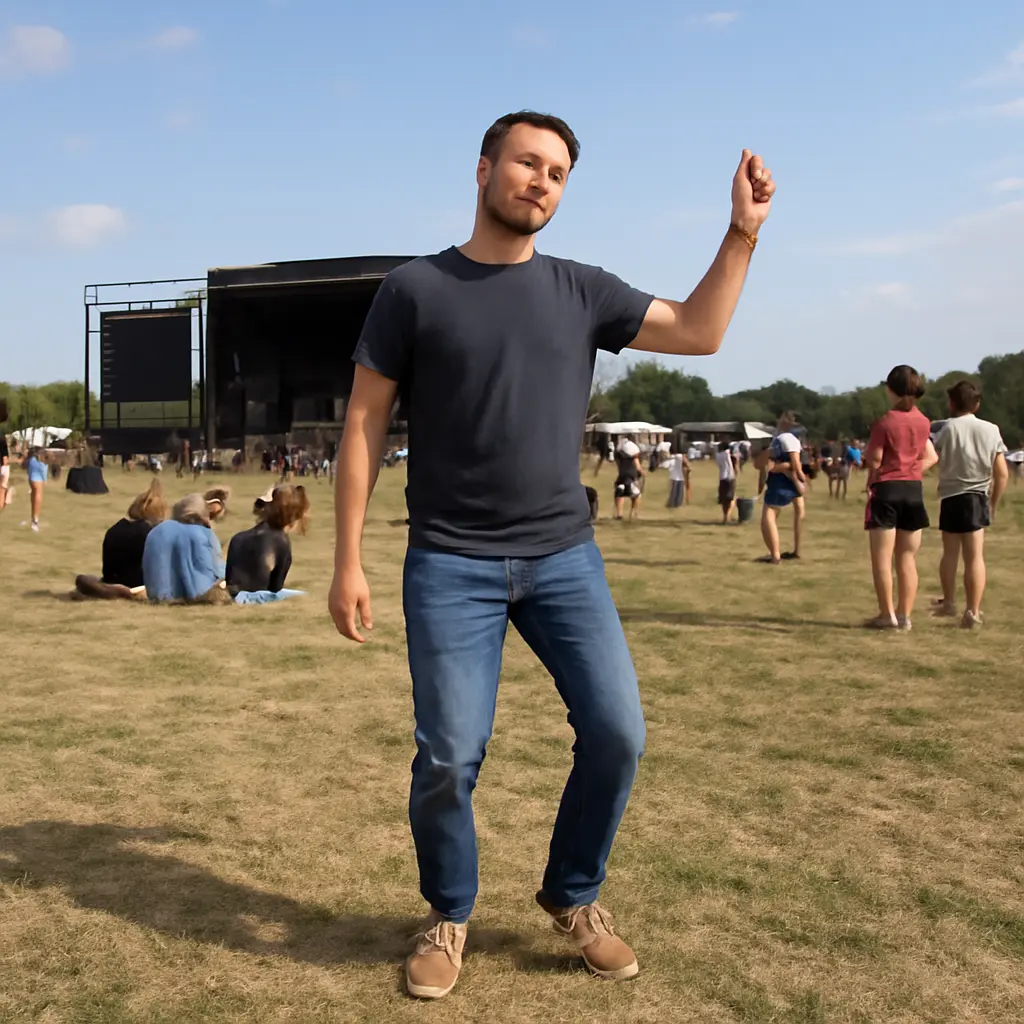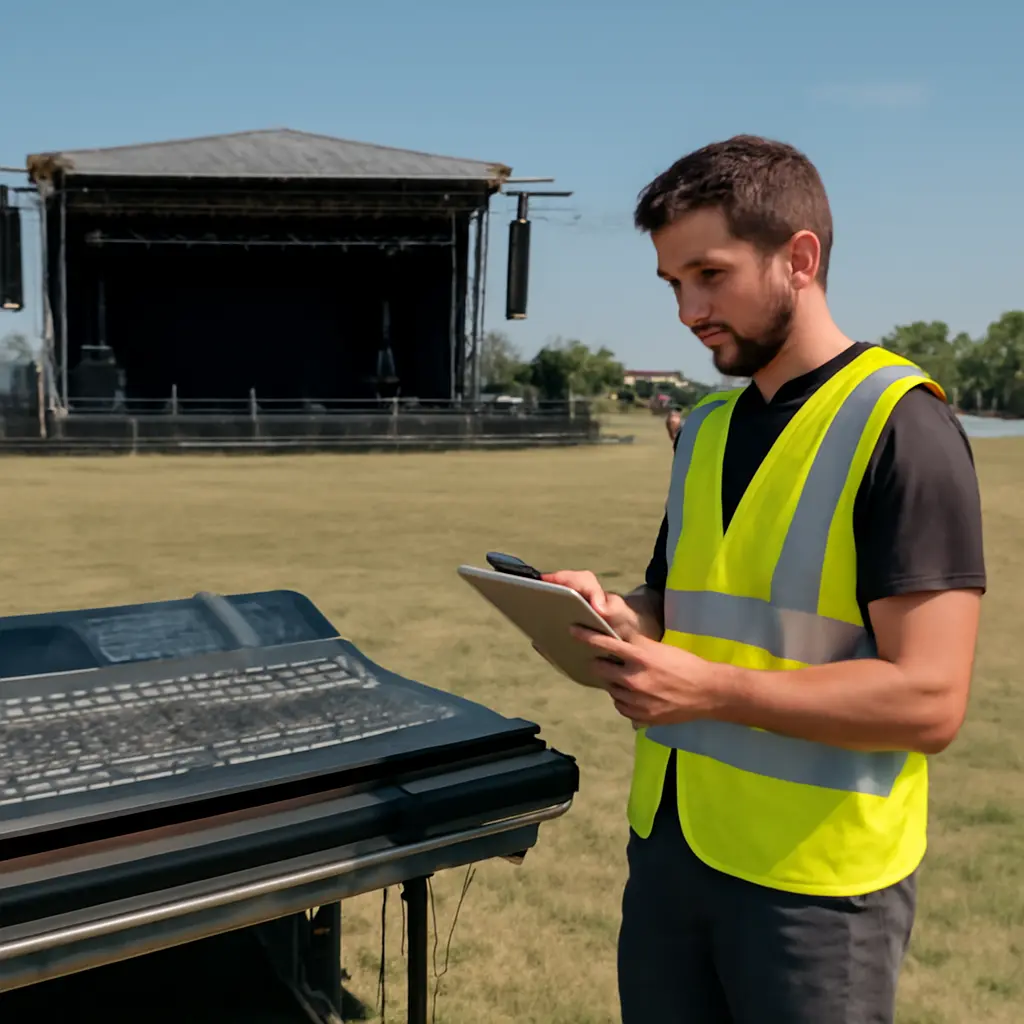
Coachella, Glastonbury, and Tomorrowland sets are the live performances staged within three of the world’s best-known music festivals, each shaped by a different site, audience, production scale, and operating plan. Behind the scenes, a successful set depends on coordinated work across artist management, stage and audio crews, event production, safety teams, and festival operations. Coachella’s two-weekend format, Glastonbury’s large rural site, and Tomorrowland’s elaborate themed stages show how those demands vary. The following guide explains the production chain, festival-specific differences, backstage safety and sustainability, and practical lessons for understanding how a festival performance comes together.
Festival sets depend on coordinated live-production systems
A festival set is a scheduled live performance delivered within a larger event, rather than a standalone concert. The Event Safety Alliance describes event safety as a shared responsibility requiring planning and coordination among event organizers, venues, contractors, and other stakeholders. Applied to festival sets, that principle means artistic decisions—such as stage design, set length, and special effects—must work alongside practical requirements for equipment, staffing, audience movement, and emergency response.
The work is substantial because festivals concentrate many performances, crews, and spectators into limited spaces and tight schedules. The three events illustrate different versions of that challenge: Coachella operates across two weekends in Indio, California; Glastonbury takes place on Worthy Farm in Somerset, England; and Tomorrowland is staged in Boom, Belgium, with multiple themed areas. Exact staffing and technical budgets for individual sets are generally not published, so claims about those figures should be treated cautiously.
The production chain: from booking to final cue
Festival production is the sequence of planning and operational tasks that turns a booked artist into a performance onstage. It typically includes advancing the show—sharing technical and logistical requirements in advance—then coordinating stage access, audio and lighting, changeover, performance cues, and strike. A touring production may bring its own equipment and crew, while relying on festival-provided systems and local staff for other needs.
The chain is interdependent. A delayed equipment delivery can affect sound checks; a late stage changeover can compress the time available for an opening act; and a change in weather may require a different plan for screens, structures, or special effects. Producers therefore use schedules, technical documents, communications channels, and contingency plans to keep artistic and operational teams aligned.
Stage changeovers and schedule pressure
A changeover is the transition between performances, including removing or repositioning equipment and preparing the stage for the next act. At a multi-stage festival, the process must fit the published timetable while protecting safe working conditions. The relevant goal is not simply to make the next set start quickly: crews also need enough time to secure equipment, check connections, and confirm that the stage is ready.
Tight changeovers make clear why a festival set is a team effort. Artists and managers may agree in advance on which instruments, playback systems, or visual elements are essential; production teams then translate those choices into a workable stage plan. Festival schedules are publicly available, but the exact backstage timing and staffing vary by artist and are seldom reported consistently.
Coachella sets adapt to a two-weekend desert festival
Coachella Valley Music and Arts Festival is an annual event held at the Empire Polo Club in Indio, California. Its defining production feature is the repeated weekend format: many artists perform across both weekends, requiring teams to plan for a second presentation rather than treating the first as the only show. The festival’s official programming and venue information establish the event’s location and schedule; they do not disclose the full technical plan for each artist.
Repeat performances and evolving set design
A two-weekend booking lets an artist refine a performance between appearances, but it also requires continuity. Touring teams may review audience response, adjust transitions, or make creative changes, while keeping essential equipment and cues reliable. Changes must be coordinated with festival production so that updates do not create conflicts with stage dimensions, screen content, safety requirements, or the next scheduled act.
This format also makes set preparation unusually visible to fans. A change in a guest appearance or visual moment can become a major talking point, even though it represents only one part of the work. The behind-the-scenes lesson is that improvisation is most effective when the core show—timings, technical setup, and communications—has already been carefully planned.
Desert conditions and audience operations
Coachella’s desert setting makes heat, dust, and long periods outdoors relevant considerations for performers, workers, and attendees. Event organizers must communicate practical guidance and coordinate services such as water access, medical support, and crowd management. Weather can also affect equipment protection and the comfort of crews working before, during, and after a set.
A specific heat or attendance statistic should be tied to a particular year and a reliable source; conditions change between editions. The broader operational point is consistent: production schedules need to account for the local environment, and audience-facing plans should be checked against current festival guidance rather than assumptions based on a previous year.
Glastonbury sets work within a temporary festival city
Glastonbury Festival is a major performing-arts and music festival held at Worthy Farm in Somerset. Its temporary site brings together stages, camping, services, roads, and public areas over the event period. The festival’s published information and licensing documents describe a licensed capacity of up to 210,000 people, a figure that includes more than audience members alone and should not be interpreted as a simple concert crowd count.
Rural infrastructure, access, and weather
Producing a set at Glastonbury involves working within a large rural site that must be built, operated, and later restored. Access routes, power, communications, sanitation, and emergency services all affect how crews and equipment reach performance areas. Wet weather can turn ground conditions into an operational issue, influencing vehicle movement, walking routes, and the protection of equipment.
This setting makes advance planning especially important. Organizers publish travel and site guidance, while production teams coordinate equipment movements and schedules with the festival’s wider operations. Because site conditions differ each year, historical examples can explain the challenge but should not be substituted for current travel, safety, or access instructions.
Stage identity and the wider programme
Glastonbury’s many stages and performance areas support a broad programme, so the meaning of a “Glastonbury set” depends partly on where and when it occurs. A headline performance on the Pyramid Stage has different audience and production demands from a smaller-stage appearance. In either case, the artist’s plan must fit the stage’s technical capabilities and the festival’s schedule.
The programme’s scale also makes clear that festival production is not limited to the most prominent acts. Stage managers, technicians, stewards, and site teams help sustain performances across the event. For audiences, checking official programme updates is the most reliable way to follow set times and venue changes.
Tomorrowland sets combine themed stages with technical coordination
Tomorrowland is an electronic dance music festival held in Boom, Belgium, recognized for its themed stages and large-scale visual presentation. Its official festival materials describe a multi-stage event in which performers appear across different environments. That variety means a DJ set may depend not only on sound and lighting but also on screen content, stage effects, playback systems, and coordination with a wider visual concept.
DJ performance systems and visual production
A DJ set is a live performance built around selecting and mixing recorded music, often using decks, mixers, and other playback or control equipment. At a large festival, the artist’s preferred setup must be integrated with the stage’s audio system and the production team’s lighting and video cues. Artists may use a standard setup, bring specific equipment, or request a hybrid arrangement, depending on their technical requirements.
The visible spectacle rests on precise coordination. Lighting and video operators need cue information, while sound engineers manage levels and transitions for the audience. A reliable setup also includes contingencies for equipment or signal problems. No single technical arrangement applies to every Tomorrowland artist, so an individual set’s details should be verified from artist or festival reporting rather than inferred from the stage’s appearance.
Festival branding, livestreams, and remote audiences
Tomorrowland’s visual identity extends beyond the people physically present: selected performances and festival content may reach remote audiences through official media. A livestream adds another production layer, including camera positions, broadcast audio, timing, and rights coordination. The stream can offer a useful view of the performance, but it does not reveal every backstage process or represent the experience of every person at the site.
For artists, broadcast exposure can make stage presentation and cue timing more consequential. For viewers, official festival channels are the best source for current stream availability and schedules, which can change by edition. Online clips and social posts can provide atmosphere, but they may be edited or incomplete.
Safety and sustainability shape every festival set
Safety and sustainability are not separate from production; they influence how a set is designed, built, staffed, and experienced. The Event Safety Alliance’s guidance emphasizes planning, communication, and shared responsibility. Meanwhile, each festival publishes its own policies and practical information, which should be consulted for current requirements rather than relying on generalized advice.
Crowd movement and emergency readiness
Crowd management covers the way people enter, move through, and leave performance areas. Organizers plan routes, staffing, communications, and procedures for responding to changing conditions. The appropriate measures depend on factors such as the stage layout, expected attendance, weather, and the timing of other performances.
Attendees can support these systems by following steward instructions, keeping access routes clear, identifying information and assistance points, and checking official safety notices. If an emergency occurs, festival staff and local emergency services—not online speculation—are the appropriate sources of direction.
Waste, travel, and temporary infrastructure
A festival’s environmental footprint can involve audience travel, temporary construction, energy use, food and drink packaging, and waste. Organizers may publish initiatives addressing some of these impacts, but a single campaign does not by itself establish the event’s total environmental performance. Comparisons are meaningful only when the scope, measurement period, and methodology are clear.
For a set, sustainability choices may include efficient equipment planning, avoiding unnecessary material, and coordinating waste and transport operations with the festival. Attendees can check the event’s current travel and reuse guidance. Future reporting would be stronger if festival organizers consistently published comparable data on emissions, energy, waste, and recovery outcomes.
What audiences can learn from the backstage picture
The differences among Coachella, Glastonbury, and Tomorrowland show why no single production formula fits every festival. Coachella’s repeat-weekend structure rewards careful continuity and adaptation; Glastonbury’s rural site makes infrastructure and weather central considerations; and Tomorrowland’s themed electronic stages bring visual and broadcast coordination into sharp focus. Across all three, the same fundamentals recur: advance planning, clear communications, technically prepared crews, safe audience operations, and contingencies for change.
To explore a particular set, compare the festival’s official programme and safety information with artist interviews, reputable reporting, and verified production accounts. Treat unverified claims about budgets, crew numbers, or technical specifications carefully, since these figures are often not public. Understanding the work behind a performance makes the spectacle more legible—and reinforces how much depends on collaboration between artists, crews, organizers, and audiences.
Sources: Coachella, Official Festival Website and FAQs, https://www.coachella.com/; Glastonbury Festival, Official Website and Festival Information, https://www.glastonburyfestivals.co.uk/; Mendip District Council, Glastonbury Festival Licensing Information, https://www.mendip.gov.uk/; Tomorrowland, Official Festival Website, https://www.tomorrowland.com/; Event Safety Alliance, The Event Safety Guide, https://eventsafetyalliance.org/.