A music festival’s atmosphere is the shared feeling created by its crowds, performances, setting, and small moments of connection—and it helps explain why festival FOMO feels so powerful. Research on live music and social connection suggests that concerts can foster belonging and positive emotions, while event-industry surveys show that audiences value experiences they can share. From collective energy and sensory immersion to social-media highlights and practical planning, the atmosphere is not just a backdrop: it is a central part of what people hope to experience.
Festival atmosphere shapes the experience
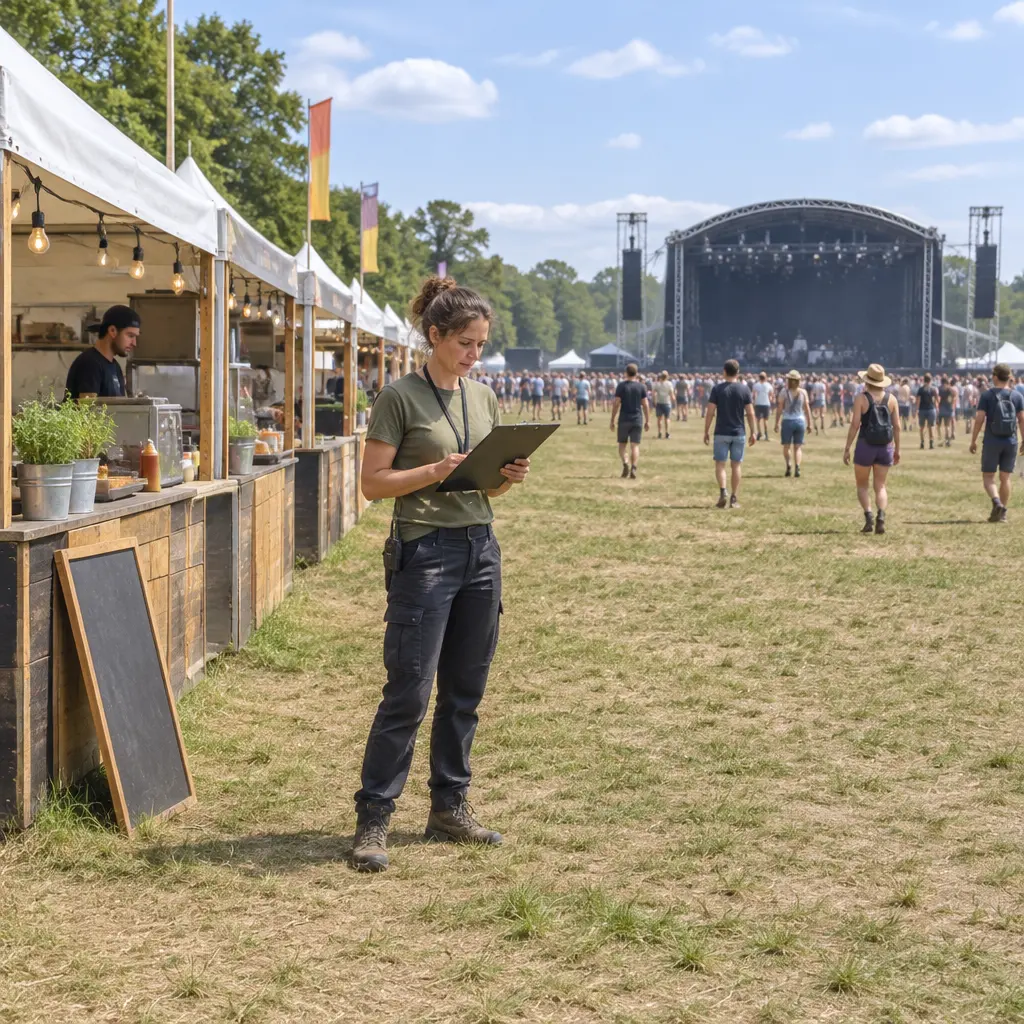
“Atmosphere” is not a single measurable feature. In event design, it describes the combined effect of a venue’s physical surroundings, sensory cues, programming, and social interactions on how attendees perceive an event. For festivals, those ingredients may include the sound and scale of a stage, lighting, food stalls, weather, crowd behavior, and the feeling of being part of a temporary community.
That combination matters because people often remember an event as a whole rather than as a list of performances. A favorite artist can be a major draw, but so can the crowd’s reaction, discovering a new act, sharing a moment with friends, or simply feeling immersed in a place where everyone is focused on the same music.
Collective energy and belonging
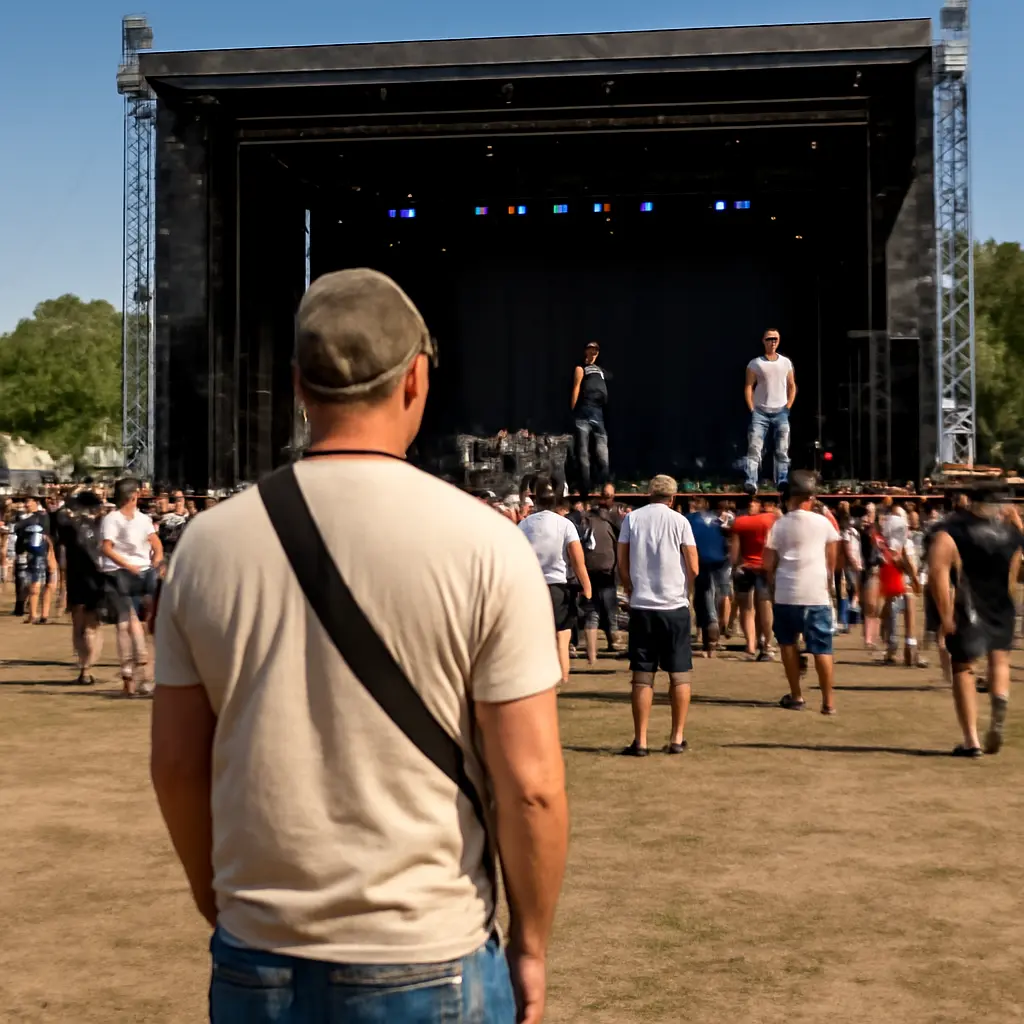
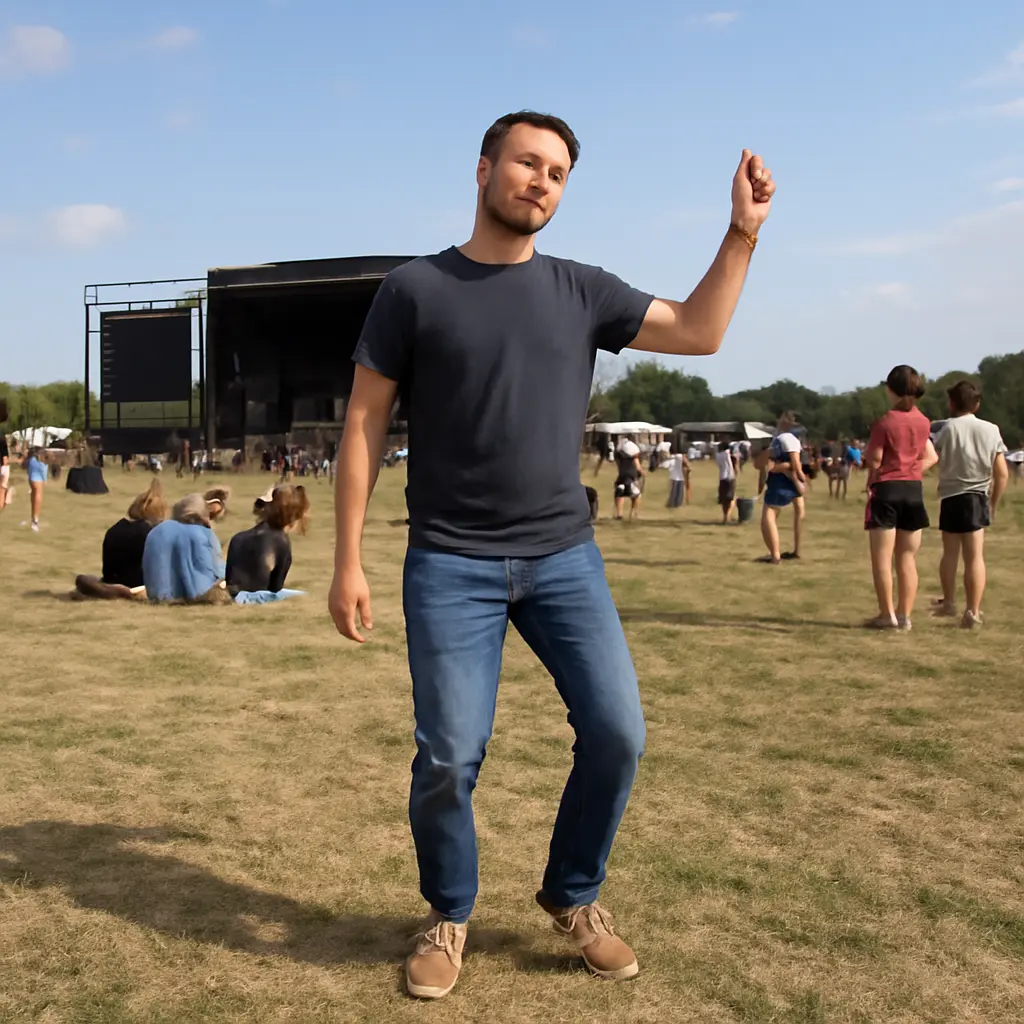
Collective energy is the emotional charge that can emerge when a crowd responds together—singing a chorus, dancing, or cheering at a defining moment. It can make an individual experience feel shared. In a 2015 study published in Psychology of Music, researchers examined live music’s relationship with social connection, reporting that attending a live music event was associated with increased feelings of social connection among participants.
This helps explain why festival FOMO can be about more than missing a performer. Someone may worry about missing a group memory, a spontaneous friendship, or the feeling of being among people who share their enthusiasm. That does not mean every festival is welcoming to everyone; crowd density, accessibility, cost, and safety all shape whether people can participate comfortably.
Sensory immersion and place
Sensory immersion refers to the way sound, light, movement, architecture, and surroundings combine to hold attention. Outdoor festivals may add landscape and changing daylight; indoor events can use lighting, staging, and sound design to create a more enclosed, focused environment. These details make a performance feel situated in a particular time and place, rather than interchangeable with listening at home.
The atmosphere is also influenced by practical conditions. Clear sightlines, adequate water and sanitation, accessible routes, and reliable crowd management can help attendees feel at ease, allowing them to focus on the music and people around them. A striking stage may attract attention, but comfort and safety support the experience beneath it.
Social media amplifies festival FOMO
Festival FOMO is the concern that other people are having a rewarding experience without you. Social media can intensify that feeling by turning a large, complicated event into a stream of vivid highlights: a headliner’s entrance, a packed dance floor, a sunset, or friends laughing together. Those posts show real moments, but rarely the full picture, including queues, fatigue, missed sets, or the cost of attending.
The scale of social media use makes this exposure common. Pew Research Center reported in 2024 that 83% of U.S. adults said they used YouTube and 68% used Facebook, while 47% used Instagram. These figures are not festival-specific, but they illustrate how widely platforms can circulate event images and personal updates.
Highlights are not the whole event
A curated post is a selective record, not a neutral account of someone’s entire festival day. A short clip may communicate excitement while leaving out the ordinary intervals that make up much of a weekend: moving between stages, waiting for friends, resting, or deciding to skip a performance.
This matters because comparing an unfiltered personal experience with other people’s best moments can distort expectations. A more balanced view recognizes that festival memories often include imperfect details—and that enjoying an event does not require seeing every artist or capturing every scene.
Shared memories and online participation
Posting, messaging, and watching livestreams can also create a sense of participation for people who cannot attend. Friends may coordinate meetups through group chats, while fans can follow set highlights and conversations from home. These forms of connection can be enjoyable, although constant checking may pull attention away from the people and activities immediately around someone.
A useful approach is to decide in advance how much of the event to document. Taking a few photos and then putting the phone away can preserve memories without turning the festival into a performance for an online audience.
Planning can make the atmosphere more accessible
The festival experience depends not only on excitement but also on whether people can participate safely and within their means. Tickets, transportation, lodging, food, time off, disability access, and crowd conditions all influence who gets to be present. Recognizing these barriers helps put FOMO in perspective: missing an event may reflect practical constraints, not a failure to live fully.
Budget and expectations
A festival budget should account for the full trip, not just admission. Travel, accommodation, meals, equipment, and optional add-ons can make the real cost substantially different from a ticket’s advertised price. Setting a firm spending limit and comparing the total cost with other priorities can reduce pressure to attend simply because a festival appears to be the season’s essential experience.
There is no single correct way to take part. A local concert, a one-day ticket, a livestream, or a smaller gathering may provide music and connection without the expense or intensity of a large weekend festival.
Comfort, safety, and inclusion
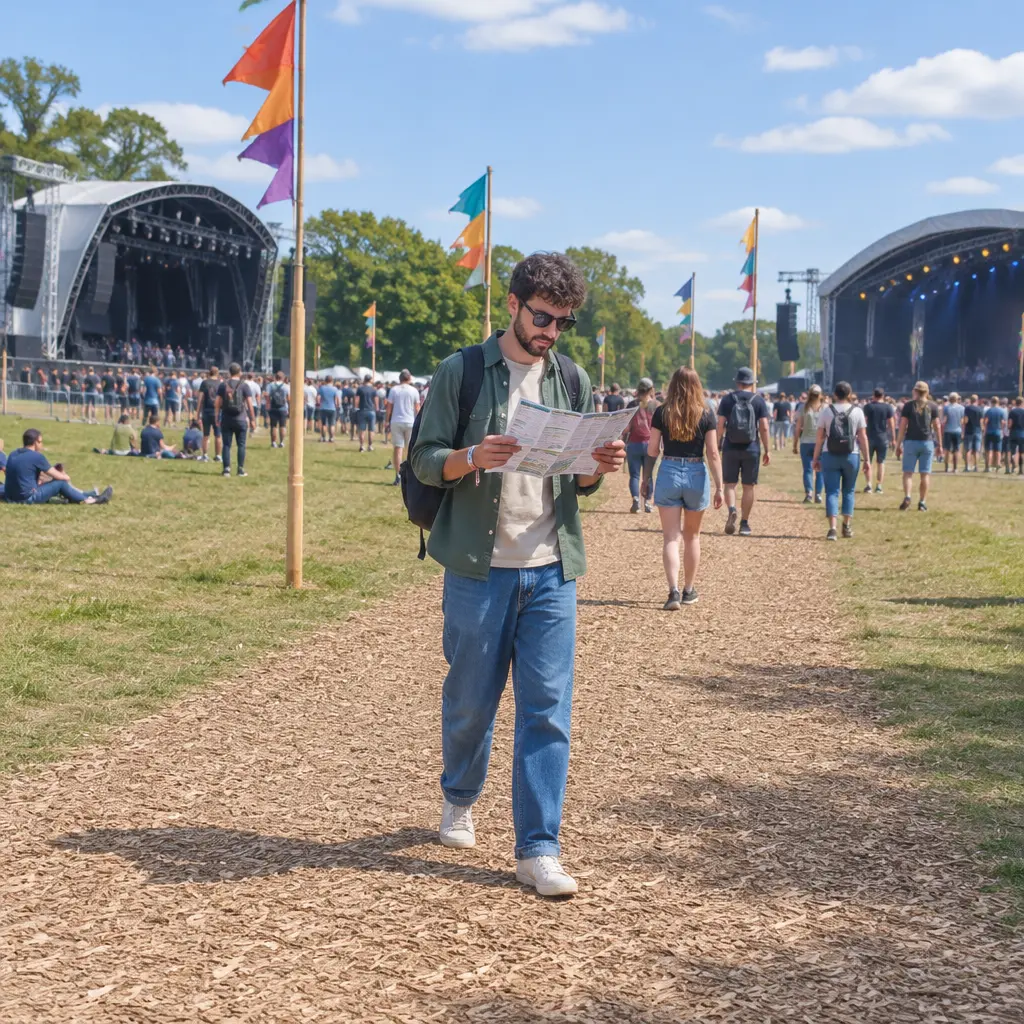
Planning for comfort can make it easier to enjoy the event itself. Attendees can check venue policies, accessibility information, transport options, weather guidance, water access, and re-entry rules before leaving. Agreeing on a meeting point and keeping a charged phone or backup plan can also help groups manage separation in busy spaces.
Event organizers have a complementary responsibility: clear information, accessible facilities, trained staff, and sensible crowd management help create conditions in which more people can share the atmosphere. The best festival experience is not simply the loudest or most visually spectacular one; it is one people can enjoy with a reasonable sense of safety and belonging.
Conclusion: the atmosphere is part of the music
Festival FOMO feels real because a festival atmosphere combines live performance with collective energy, sensory immersion, place, and shared memories. Social media can magnify those attractions by circulating vivid highlights, while practical factors such as price, travel, comfort, and access determine who can attend. Seeing the full picture makes it easier to value the experience without assuming that one event is the only route to connection or enjoyment.
If you are planning to go, choose the parts of the festival that matter most, set a realistic budget, and make room to experience the moment rather than document all of it. If you are staying home, remember that missing one weekend does not mean missing out on music, friendship, or meaningful experiences altogether.
Sources: Pew Research Center, Americans’ Social Media Use, 2024, https://www.pewresearch.org/internet/2024/01/31/americans-social-media-use/; Pearce, E. et al., The Social Psychology of Live Music: The Relationship Between Live Music and Social Connection, Psychology of Music, 2015, https://doi.org/10.1177/0305735614558648.