A great music festival experience is a safe, welcoming, well-organized event where compelling performances are matched by comfortable facilities, easy movement, and a sense of shared discovery. The best festivals bring those elements together: audiences can enjoy artists and stages, find food and water, navigate the site, and feel included without unnecessary stress. The scale of the opportunity is substantial: the National Independent Venue Association’s 2024 annual survey reported that U.S. independent venues and festivals generated $150.9 billion in economic activity in 2023, while their audiences spent an estimated $30.7 billion at nearby businesses. That reach makes thoughtful planning important not only for attendees, but also for artists, workers, host communities, and local economies.
How Festival Programming Shapes a Great Music Festival Experience
Festival programming is the planned combination of performers, stages, schedules, and artistic themes that gives an event its identity. The National Endowment for the Arts describes arts participation as including both attending performances and engaging with art in other ways; a festival extends that participation by bringing varied artists and audiences into a shared setting. Strong programming balances familiar headliners with emerging performers, makes the schedule understandable, and gives attendees room to discover something new.
The programming’s value depends on how well it works in practice. Overlapping sets, long changeovers, or stages that compete acoustically can make an impressive lineup difficult to enjoy. By contrast, clear stage identities, realistic transitions, and a mix of genres help audiences make meaningful choices. These approaches are related forms of programming: artist curation establishes what people can hear, while scheduling and stage design determine how comfortably they can experience it.
Artist Curation and Musical Discovery
Artist curation is the selection and arrangement of performers to create a coherent yet varied musical experience. A thoughtful lineup can pair established acts with local artists and newer voices, giving audiences both recognition and surprise. Discovery matters because festivals can help listeners encounter styles and performers they might not otherwise seek out. For example, Newport Folk Festival’s long-running emphasis on folk traditions alongside contemporary performers shows how an event can retain a recognizable identity while allowing its sound to evolve.
Scheduling, Stages, and Sound
Scheduling is the timed placement of performances; stage design and sound management shape how those performances reach the audience. Organizers should consider walking time between stages, expected crowd sizes, set lengths, and acoustic spill before publishing a timetable. The World Health Organization recommends keeping average sound exposure below 100 decibels over 15 minutes at venues and events, alongside measures such as sound monitoring and hearing protection. These recommendations underline that powerful live sound and responsible listening should be planned together.
How Site Design and Accessibility Shape a Great Music Festival Experience
Festival site design is the arrangement of stages, paths, services, entrances, and gathering areas to support safe and convenient participation. Accessibility is the removal of barriers so people with different disabilities and needs can use the event and its facilities. The two are closely connected: clear paths, legible signs, thoughtfully placed services, and usable viewing areas benefit many attendees, not just those who request accommodations.
Crowd Flow and Wayfinding
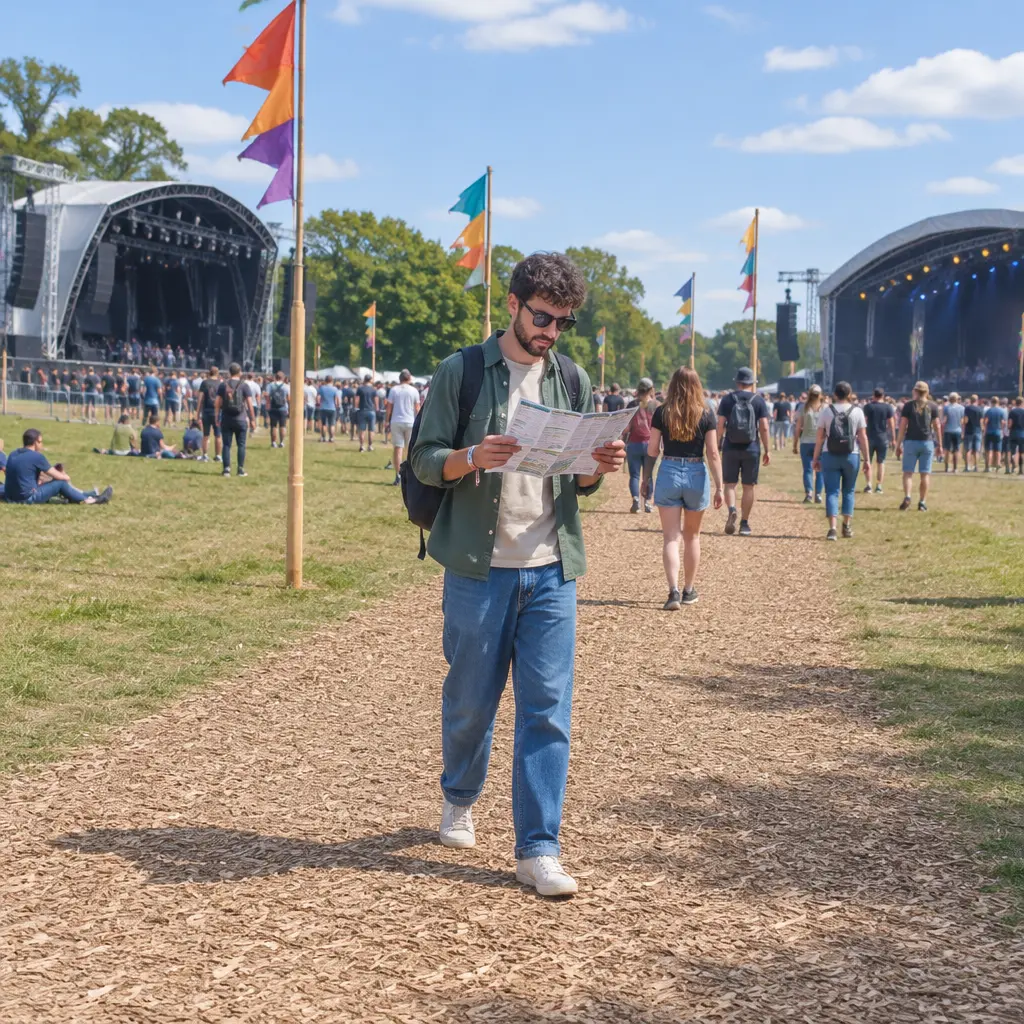
Crowd flow describes how people move through a venue, while wayfinding is the information that helps them find destinations. Organizers can improve both by separating entrance, exit, and service routes where feasible; marking routes consistently; and avoiding bottlenecks near stages, food stalls, and toilets. The U.K. Health and Safety Executive’s event-safety guidance emphasizes planning for crowd movement and monitoring conditions as they change. Clear maps, visible staff, and timely announcements make the plan easier for attendees to follow.
Disability Access and Inclusive Facilities
Disability access includes physical, sensory, and communication accommodations that enable people to participate with dignity. The U.S. Department of Justice explains that the Americans with Disabilities Act applies to public accommodations, including many event facilities. A practical access plan may include step-free routes, accessible toilets and viewing areas, captioning or sign-language interpretation when appropriate, a clear accommodation request process, and staff who know how to provide assistance. Publishing access details before ticket purchase helps attendees plan rather than discover limitations at the gate.
Comfort, Rest, and Festival Amenities
Amenities are the supporting services that make an event more comfortable, including water stations, toilets, shade, seating, food, and charging facilities. Their quality and location can shape the day as much as the lineup: long queues or scarce shade can turn a pleasant afternoon into a difficult one. The U.S. Centers for Disease Control and Prevention advises people to take steps to prevent heat-related illness, including staying hydrated and seeking cooler places during hot weather. Festivals should make drinking water easy to locate and plan for weather conditions, including heat, rain, and sudden changes.
How Safety and Well-Being Shape a Great Music Festival Experience
Festival safety is the combination of planning, staffing, communication, and facilities used to prevent harm and respond to incidents. It includes medical care, crowd management, weather readiness, security, and access to help. Safety is not separate from enjoyment: attendees are more able to focus on music when they can find assistance, understand event rules, and trust that organizers are prepared.
Medical Support and Emergency Planning
Medical support is the on-site capacity to assess and respond to illness or injury, while emergency planning sets out how organizers coordinate during serious incidents. Plans should account for the event’s size, site layout, local emergency services, weather, and communication channels. The U.S. Federal Emergency Management Agency’s special-event planning guidance recommends coordination among organizers, public safety agencies, and other partners before an event. Attendees also benefit from knowing where first aid is located and how to contact staff.
Crowd Safety and Clear Communication
Crowd safety means reducing risks created by density, movement, and changing conditions. Organizers can use trained stewards, monitored capacity, unobstructed exits, and procedures for pausing or adjusting performances if needed. Communication is part of this system: signs, public-address messages, mobile alerts, and staff instructions should be consistent and easy to understand. The Health and Safety Executive stresses that crowd-management arrangements should be based on the event’s specific risks, rather than relying on a generic plan.
Respectful Conduct and Safer Spaces
A safer-space approach sets expectations for respectful conduct and provides accessible ways to seek help. It can include a published code of conduct, trained staff, confidential reporting options, and procedures for responding to harassment or discrimination. The approach works best when it is visible before and during the event, consistently applied, and supported by clear information about where attendees can go for assistance. A welcoming atmosphere is built through both policy and everyday interactions among staff, performers, and audiences.
How Sustainability and Local Connection Shape a Great Music Festival Experience
Festival sustainability is the effort to reduce environmental impacts and create lasting benefits for the host community. Festivals can generate travel emissions, waste, and demand for local services, but organizers can make deliberate choices about transport, materials, food, energy, and procurement. The U.K.-based nonprofit A Greener Future’s 2023 report on outdoor events identifies transport as a major source of event-related emissions, reinforcing the importance of public transit, shared travel, and active transport options.
Waste, Reuse, and Resource Management
Resource management covers how a festival uses water, energy, food, and materials, while waste planning aims to prevent, reuse, or responsibly sort discarded items. Reusable cups and serviceware, clear recycling and composting stations, refill points, and supplier requirements can reduce waste when supported by practical operations. The U.S. Environmental Protection Agency’s waste-management hierarchy gives priority to source reduction and reuse ahead of recycling and disposal. That principle suggests that preventing unnecessary materials is often more effective than relying only on cleanup after the event.
Transport and Host-Community Benefits
Transport planning concerns how attendees, workers, and equipment reach the site; community benefit concerns how the event affects and contributes to its host location. Public-transit information, shuttle services, safe walking routes, and secure bicycle parking can help make lower-impact travel practical. Local hiring, purchasing from nearby businesses, early neighborhood communication, and careful noise and traffic management can help distribute benefits while addressing disruption. The National Independent Venue Association’s 2024 survey estimated $30.7 billion in audience spending at nearby U.S. businesses in 2023, illustrating the potential economic connection between live events and local economies.
Conclusion: Bringing the Elements of a Great Music Festival Together
A great music festival experience depends on more than a strong lineup. Artist curation and thoughtful schedules create musical discovery; accessible site design and dependable amenities make the event usable; safety planning and respectful conduct protect well-being; and sustainable operations and local partnerships strengthen the event’s wider value. These elements work best as one coordinated plan, shaped by the venue, audience, weather, and community. Before attending, review the schedule, access information, transport options, and event policies; when organizing, seek feedback from attendees, workers, artists, and local partners to improve each edition.
Sources: National Independent Venue Association, 2024 Annual Survey, https://www.nivassoc.org/annual-survey; National Endowment for the Arts, Arts Participation Patterns in 2022: Highlights from the Survey of Public Participation in the Arts, https://www.arts.gov/impact/research/publications/arts-participation-patterns-2022-highlights-survey-public-participation-arts; World Health Organization, Global Standard for Safe Listening Venues and Events, https://www.who.int/publications/i/item/9789240043114; U.K. Health and Safety Executive, Event Safety, https://www.hse.gov.uk/event-safety/; U.S. Department of Justice, Americans with Disabilities Act Title III Regulations, https://www.ada.gov/law-and-regs/regulations/title-iii-regulations/; U.S. Centers for Disease Control and Prevention, Heat and Health, https://www.cdc.gov/heat-health/; U.S. Federal Emergency Management Agency, Special Events Contingency Planning: Job Aids Manual, https://www.fema.gov/emergency-managers/national-preparedness/plan; A Greener Future, 2023 Festival Sustainability Report, https://www.agreenerfuture.com/; U.S. Environmental Protection Agency, Sustainable Materials Management: Non-Hazardous Materials and Waste Management Hierarchy, https://www.epa.gov/smm/sustainable-materials-management-non-hazardous-materials-and-waste-management-hierarchy.