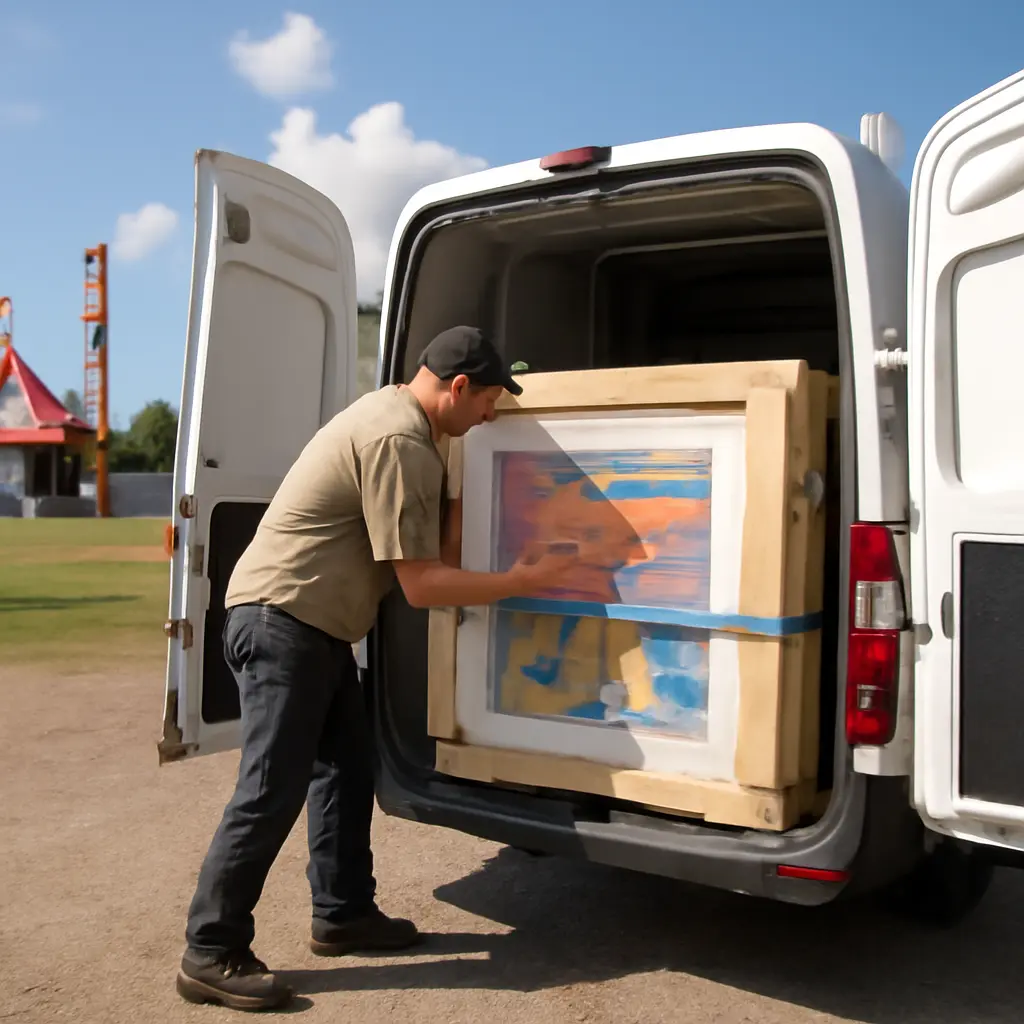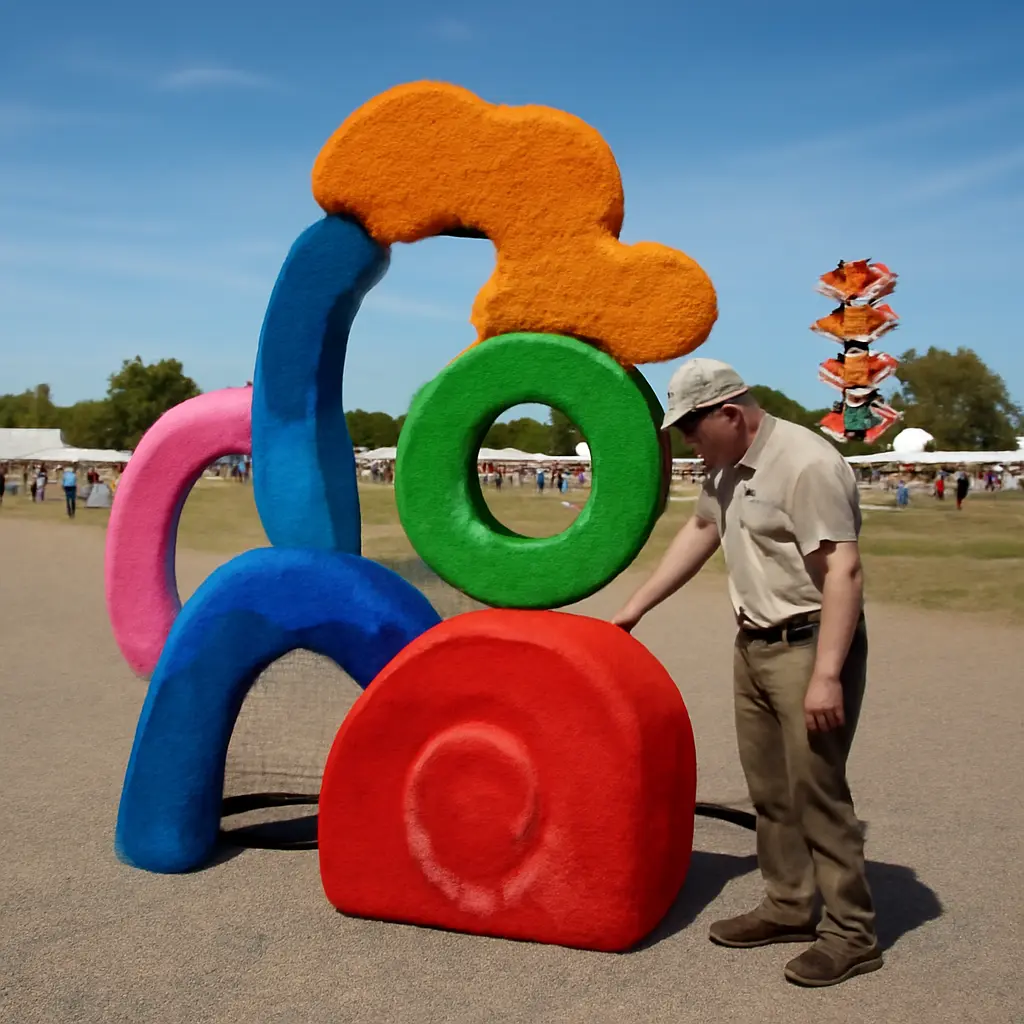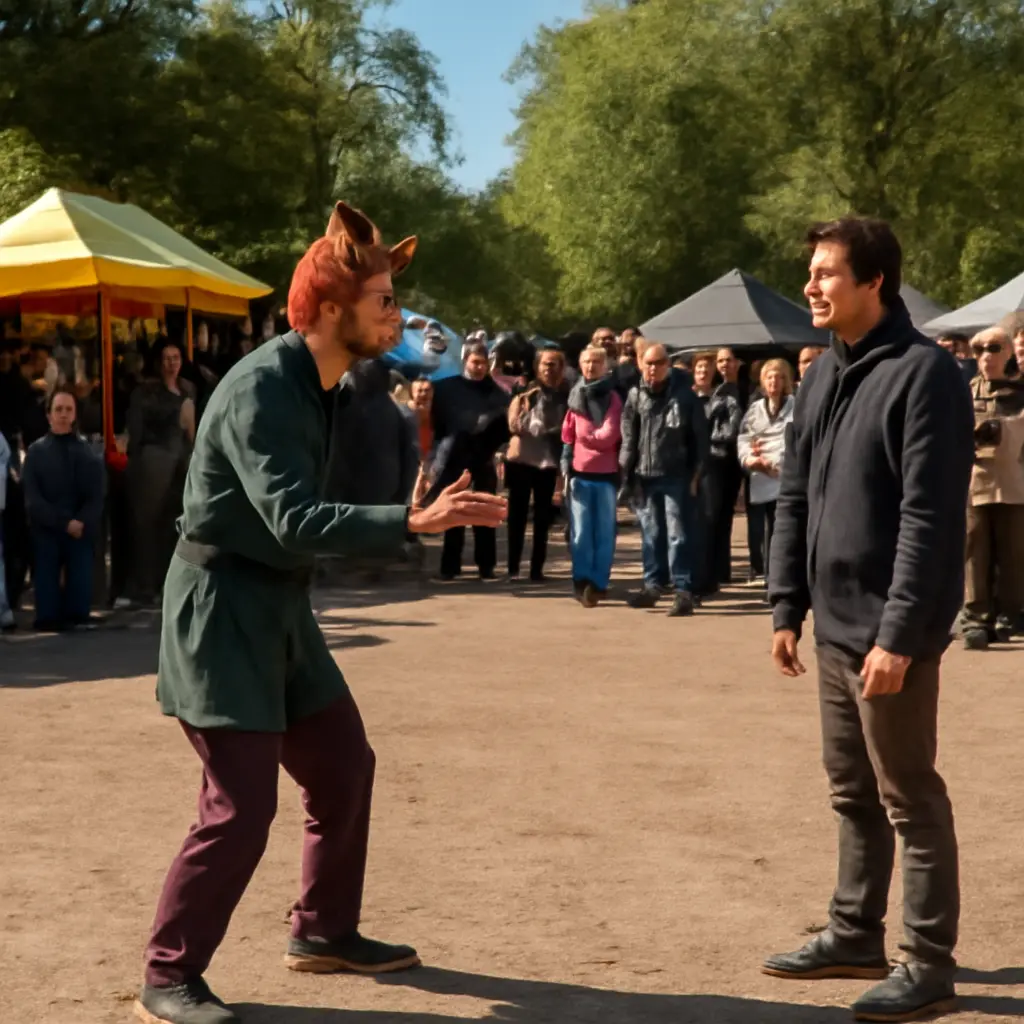
At festivals, performance art can feel less like entertainment than psychological warfare: it disrupts familiar social rules, draws strangers into uncertain situations, and makes spectators question whether they are watching, participating, or being watched. “Psychological warfare” is a provocative metaphor, not a clinical or military classification. Used carefully, it describes how some artists work with ambiguity, repetition, sensory intensity, and audience complicity to unsettle perception. This article explains that distinction, examines the techniques and ethics involved, and considers what festival research can—and cannot—tell us about audience response.
How Performance Art Uses Psychological Disruption
Performance art is a live or time-based artistic practice in which the artist’s actions, body, presence, or interaction with an audience form part or all of the work. The Tate’s discussion of performance art emphasizes the use of live action and the body as artistic material, while noting that the form overlaps with theatre, dance, and other practices. It has no single universal definition, and a festival performance may combine several genres.
In this context, “psychological disruption” means a deliberate disturbance of expectation or attention—not proof that an audience is being harmed or controlled. Artists may make spectators uncertain about a performer’s role, the boundaries of a stage, or whether an encounter is scripted. That uncertainty can prompt reflection, discomfort, amusement, or refusal. The response depends on the work, the setting, and each person’s circumstances.
Disruption is not the same as coercion
A surprising or unsettling performance does not automatically constitute psychological warfare. The term properly belongs to military and political contexts involving efforts to influence an opposing group; applying it to art is figurative. The distinction matters because an artwork can challenge an audience without having the capability or intention to control people’s beliefs. A responsible account describes observable techniques and likely interpretations instead of claiming that viewers have been psychologically manipulated.
Festival settings intensify the encounter
Festivals place performances among crowds, food stalls, music, queues, and movement between sites. Unlike a conventional theatre, a public festival may not provide a clear boundary between stage and audience. Passersby can become witnesses without having planned to attend, while other visitors deliberately seek experimental work. This mixed setting gives artists opportunities to interrupt routine, but it also makes clear communication, access, and consent especially important.
Techniques That Make Performance Feel Unsettling
There is no standard taxonomy of “psychological-warfare performance.” A useful way to analyze the work is to identify its methods: ambiguity, repetition, sensory pressure, and audience participation. These are artistic devices, not guaranteed mechanisms. Their effects vary from person to person, and they should not be treated as scientific measures of influence.
Ambiguity and the breakdown of social scripts
Ambiguity occurs when spectators cannot immediately tell what is happening or how they are expected to respond. A performer might hold a fixed gaze, deliver an ordinary phrase in an unexpected place, or behave as though a public space were a private room. The work makes everyday conventions—such as when to speak, where to look, or whether to intervene—visible by bending them. The audience may feel curiosity, embarrassment, laughter, or concern, but no single reaction can be assumed.
Repetition, duration, and attention
Repetition and prolonged duration can shift attention from a performer’s action to the audience’s own impatience, anticipation, and interpretation. Marina Abramović’s 2010 Museum of Modern Art performance, The Artist Is Present, used sustained silent encounters between the artist and individual visitors. MoMA reported that more than 1,500 people sat opposite Abramović during the work’s 736-hour public presentation. This is a documented example of duration and direct attention becoming central to a performance; it does not establish that every participant experienced the encounter in the same way.
Sensory intensity and environmental pressure
Sound, lighting, crowding, movement, and proximity can shape how a performance is experienced. In a festival environment, those elements may combine with conditions outside the artist’s control, including weather, fatigue, or competing noise. Sensory intensity can support immersion, but it can also create barriers for people with sensory sensitivities, disabilities, or safety concerns. Organizers can reduce avoidable risks by providing clear event information, accessible routes, quiet spaces where feasible, and a way to leave without confrontation.
Participation, refusal, and consent
Participatory performance invites or places spectators within the action. The invitation may be explicit, as when an artist asks a volunteer to join, or less clear, as when a performer approaches people in a public space. These situations raise questions about consent: Did the person understand what was being asked? Could they decline or leave? Were they filmed or recorded? Ethical practice does not require every detail of a work to be predictable, but it does require attention to people’s ability to make informed choices, particularly when participation involves touch, personal disclosure, or recording.
Audience Effects and What the Evidence Supports
Performance can create strong emotional and social experiences, but claims about its effects need careful limits. A visitor’s response is shaped by personal history, cultural expectations, the surrounding crowd, and whether the person chose to attend. Reports of tears, unease, laughter, or intense concentration are evidence of individual accounts—not proof of a universal psychological effect.
The audience as witness and interpreter
A spectator is not simply a passive recipient: people interpret the action and one another’s responses. In his influential writing on performance, theatre scholar Richard Schechner describes performance as behavior that is restored, rehearsed, or framed for presentation. This perspective helps explain why a repeated gesture can read differently when performed in a gallery, street, or festival. The setting and the audience’s recognition of an event as art contribute to its meaning.
Measuring response without overstating it
Audience surveys, interviews, attendance counts, and observation can document how people describe an event and how they move through it. Each method has limits: attendance does not measure emotional impact, and an interview sample may not represent everyone who passed by. The widely reported figures for The Artist Is Present demonstrate scale and duration, not a population-wide psychological outcome. Reliable evaluation should distinguish what was observed, what participants reported, and what researchers infer.
Historical Examples and Festival Context
Performance art has repeatedly tested the boundary between artistic action and ordinary social life. Historical examples offer context for today’s festival work, but they should not be collapsed into a single story of provocation. Artists have used the body and live action for purposes ranging from formal experimentation to political protest and explorations of identity.
Early live-art precedents
The Tate’s account of performance art traces important precedents through twentieth-century movements including Dada and later happenings, in which artists challenged conventional distinctions between artwork, event, and everyday life. These histories help explain why contemporary performance may take place outside a theatre or involve spectators directly. They also show that disruption is one possibility within a diverse field, not the defining purpose of every performance.
A documented case of sustained audience attention
Abramović’s MoMA project offers a useful case study because the museum documented its duration and visitor participation. The artist sat silently across from visitors, one at a time, creating a simple structure with room for varied personal interpretation. The project illustrates how minimal action and sustained attention can become compelling in an institutional setting. A festival adaptation would face different conditions—more noise, less control over arrival and departure, and potentially less opportunity for private reflection.
Ethics, Access, and Responsible Festival Practice
The more a work depends on uncertainty or audience involvement, the more important its surrounding safeguards become. Ethical design does not mean removing artistic risk or surprise. It means distinguishing the intended artistic challenge from preventable confusion, exposure, or danger.
Make boundaries legible
Organizers and artists can offer concise advance descriptions of intensity, participation, photography, and access without explaining every artistic detail. Staff should know how to respond if a visitor wants to leave or raises a concern. Where audience members may be approached or recorded, the work should make the relevant choices understandable and provide a practical means to refuse.
Plan for different bodies and responses
Accessible performance planning considers seating, step-free routes, captioning or interpretation where relevant, crowd density, sensory conditions, and clear exits. It also avoids assuming that silence, eye contact, physical proximity, or public participation is comfortable for everyone. Post-event feedback can help artists and organizers learn whether the intended challenge was legible and whether unintended barriers arose.
Conclusion: Challenge Without Claiming Control
Performance art at festivals can feel like psychological warfare because it may unsettle social scripts, prolong attention, intensify sensory experience, or draw spectators into uncertain roles. Yet the phrase is a metaphor, not an evidence-based diagnosis of what art does to an audience. Definitions from institutions such as Tate, documented cases such as MoMA’s The Artist Is Present, and scholarship on performance help frame the subject without overstating its effects.
The broader implication is that artistic provocation and audience care are not opposites. Festivals can support demanding work while making participation, access, and exit options clear. Readers can explore performance archives and artist statements, and organizers can evaluate events through accessible feedback that separates measured facts from interpretation.
Sources: Tate, “Performance Art,” https://www.tate.org.uk/art/art-terms/p/performance-art; The Museum of Modern Art, “Marina Abramović: The Artist Is Present,” https://www.moma.org/calendar/exhibitions/964; Richard Schechner, “What Is Performance Studies Anyway?,” TDR: The Drama Review, 2002, https://doi.org/10.1162/105420402320980550.