Taking children to a festival can be a rewarding family outing, but good packing is what turns a potentially stressful day into a manageable one. A well-prepared kit covers comfort, safety, food, weather, and age-appropriate entertainment without weighing down caregivers. The Centers for Disease Control and Prevention recommends sun-protection measures such as shade, protective clothing, and sunscreen, while the National Weather Service emphasizes planning for changing conditions. With a concise checklist, a little research into festival rules, and a plan for reunification, families can enjoy more of the event and spend less time solving avoidable problems.
Festival packing improves family comfort and readiness
Festival packing is the selection and organization of supplies that help children stay comfortable, hydrated, protected, and safely supervised during an event. The American Academy of Pediatrics advises families to plan for children’s needs and keep close supervision in crowded settings. In practice, the right kit depends on the child’s age, the venue, the forecast, event length, and what organizers permit. Packing well does not mean bringing everything: it means prioritizing essentials and checking the festival’s bag, food, and stroller policies before leaving.
A compact checklist reduces missed essentials
A checklist is a short, organized inventory of items matched to the day’s likely needs. Separate supplies into essentials, weather protection, food and hygiene, and optional comfort items. For example, a family attending an outdoor music festival might pack refillable water bottles if the venue allows them, sunscreen, hats, a light layer, wipes, basic first-aid supplies, and a change of clothes for younger children. The Federal Emergency Management Agency’s general preparedness guidance supports keeping useful emergency supplies accessible; for a festival, that principle is best applied with a small, practical kit rather than a large emergency bag.
- Confirm admission details, venue rules, and permitted bag sizes.
- Pack medications and any child-specific care supplies.
- Bring a charged phone and note the event’s information or lost-child point.
- Choose a bag that an adult can carry comfortably for several hours.
Packing should reflect age and independence
Age-aware packing means adjusting supplies to a child’s developmental stage. Babies may need diapers, feeding supplies, spare clothing, and a familiar comfort item. Toddlers often benefit from snacks, wipes, and a stroller or carrier when permitted. School-age children can carry a small, lightweight pack with a clearly identified water bottle and a simple contact card. Older children can learn the meeting point and caregiver phone number. These are practical adaptations rather than universal medical rules; caregivers should account for individual health needs and the event’s facilities.
Festival safety depends on planning for crowds, weather, and hydration
Safety-focused packing combines prevention with a clear response plan. A child’s needs can change quickly in a crowded, noisy, or hot environment, so caregivers should identify useful supplies and agree on what to do if the group is separated. The CDC’s heat guidance highlights hydration, rest, and access to cooler spaces as important ways to reduce heat-related risk. The National Weather Service also recommends checking forecasts and preparing for conditions such as heat, rain, and severe weather. No single packed item replaces supervision or following official venue instructions.
Sun and weather protection help children stay comfortable
Weather protection includes clothing and supplies chosen for the forecast and the amount of time spent outdoors. The CDC recommends broad-spectrum sunscreen with an SPF of 15 or higher as one part of sun protection, alongside shade and protective clothing. Reapply sunscreen according to its label, and bring hats and lightweight layers where appropriate. Pack rain protection only if venue rules permit it, and check for shaded rest areas before arrival. For heat, plan breaks and watch children for signs of discomfort; seek event staff or medical help when a child appears seriously unwell.
Hydration and food planning support the day
Hydration planning means knowing how children can access safe drinking water throughout the event. Bring refillable bottles if permitted, locate water stations, and follow the festival’s guidance. The CDC advises drinking fluids during hot conditions and taking breaks in cooler places. Pack familiar snacks when allowed, especially for children with dietary needs, but check food restrictions and allergy policies first. Families should not assume that every vendor can accommodate a particular allergy or medical diet; contacting organizers in advance can clarify options.
A reunification plan is more useful than relying on memory
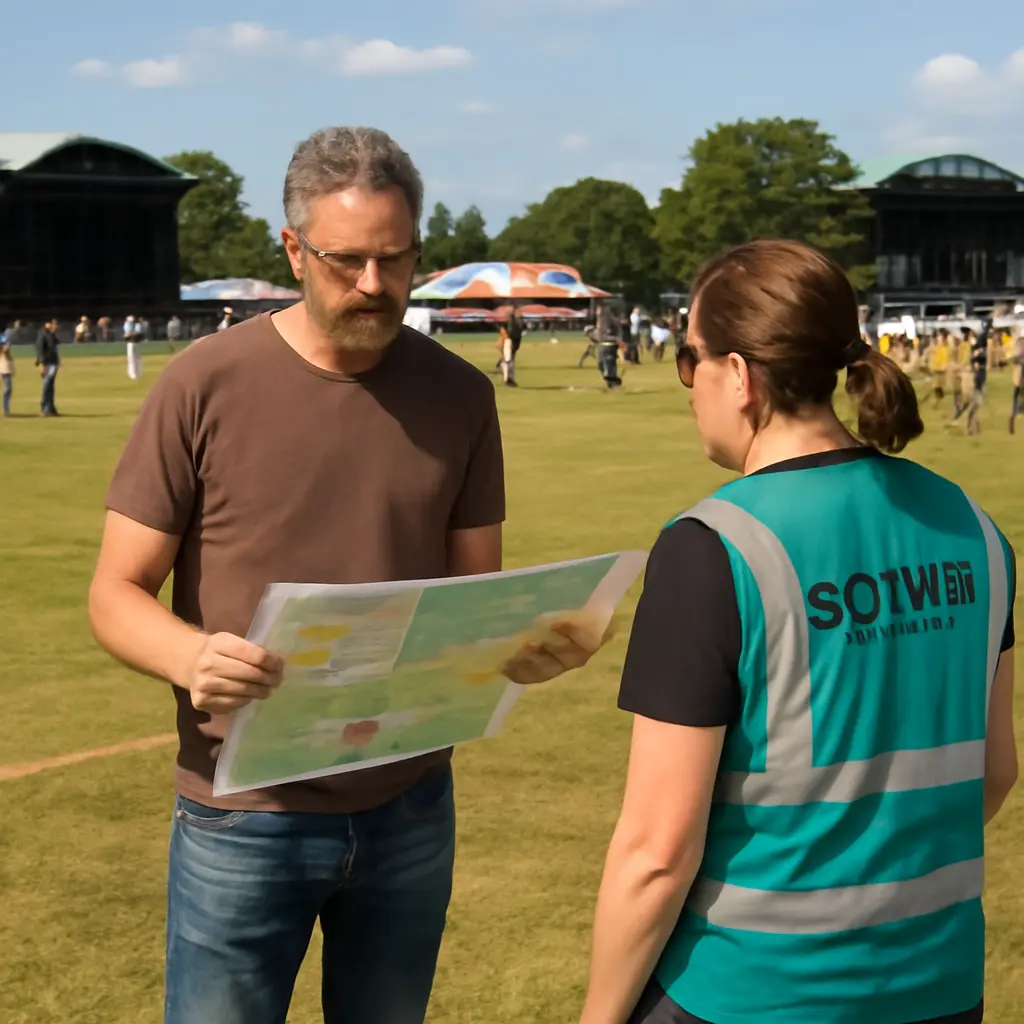
A reunification plan is a simple, shared procedure for what a child should do if separated from their caregiver. Before entering the busiest area, choose a recognizable meeting point and explain which uniformed staff or information desk the child can approach. Give younger children a card with a caregiver’s phone number, and teach older children the number if they can remember it. The National Center for Missing & Exploited Children advises families to prepare children with safety information and practice what to do if they become separated. Keep the plan calm and age-appropriate, and follow the festival’s official lost-child procedures.
A family-friendly festival kit balances essentials and convenience
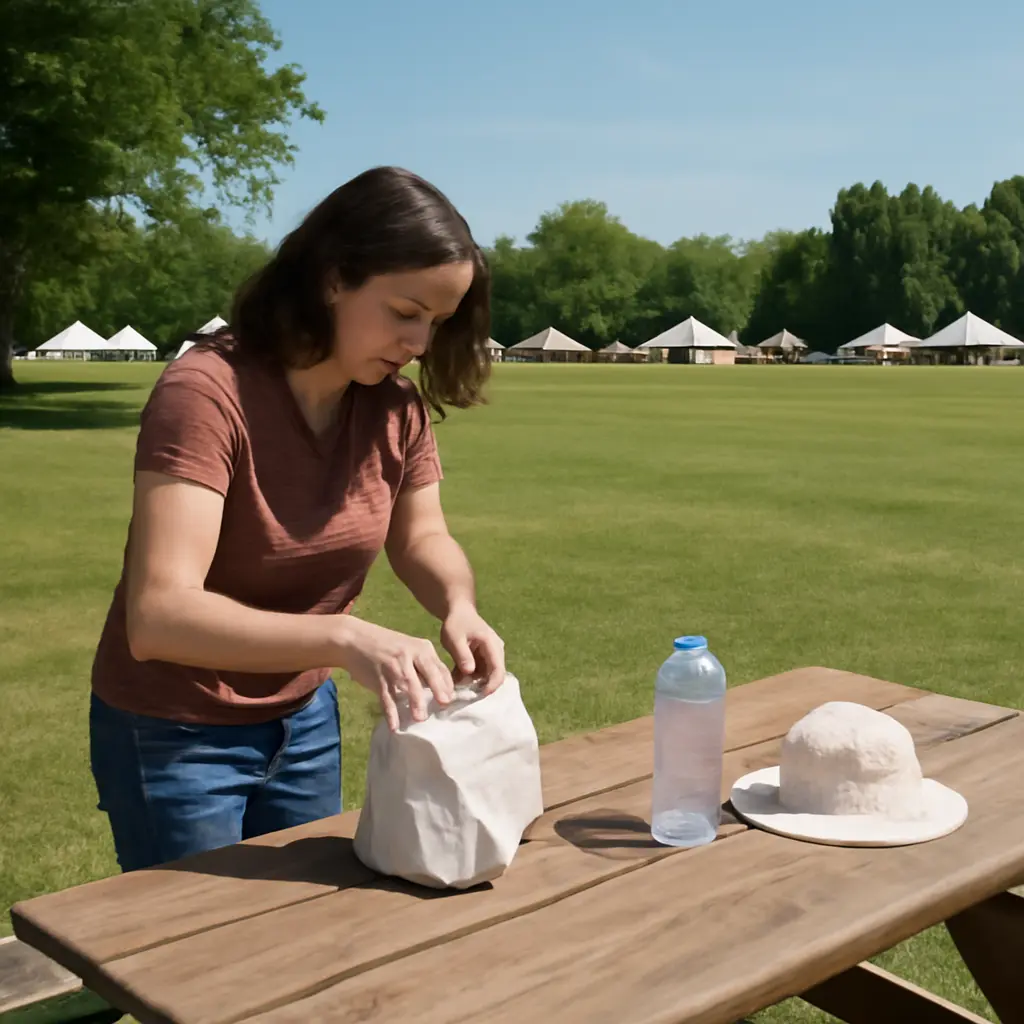
A family-friendly kit is a compact set of supplies that addresses likely needs without creating unnecessary carrying burden. Its contents should follow the event’s rules and the family’s transport plan. A useful way to organize it is to group items by purpose, then place the items needed most often where they are easy to reach. This approach also makes it simpler to remove anything prohibited by the venue.
Comfort and hygiene supplies prevent small problems from interrupting the outing
Comfort supplies help children manage long walks, waiting, noise, and minor messes. Depending on the child and event, these may include wipes, tissues, a spare outfit, a small towel, ear protection, and a familiar quiet activity. For infants and toddlers, caregivers can add diapers and disposal bags. Avoid bringing bulky toys or items that could be lost, become trip hazards, or violate event rules. If a child is sensitive to loud sound, check whether the event offers quieter areas and consider properly fitted hearing protection.
Venue rules determine what belongs in the bag
Venue screening policies can affect whether families may bring food, drinks, strollers, umbrellas, or particular bag types. Review the festival’s current official guidance rather than relying on last year’s rules or another attendee’s experience. Where bags are restricted, prioritize identification, necessary medication, and essential child-care items, and ask organizers about accommodations before the event. A small, organized bag usually makes entry and access to supplies easier.
A simple preparation routine makes festival days easier
A preparation routine connects the packing list to the actual conditions of the event. First, check the schedule, venue facilities, forecast, and entry policies. Next, pack the essentials and label children’s belongings. Finally, review the meeting point, water plan, and rest options with the family. For example, a caregiver attending an afternoon outdoor festival can plan a shaded break, identify water stations, and carry a light layer for the return trip instead of packing for every imaginable scenario.
- Check the official festival website for current entry and bag rules.
- Review the forecast and choose suitable clothing and sun or rain protection.
- Pack age-specific care items, permitted snacks, and necessary medication.
- Agree on a meeting point and explain the separation plan to each child.
- Recheck the bag before departure and leave nonessential items at home.
Conclusion: thoughtful festival packing makes family outings more enjoyable
Effective festival packing brings together a focused checklist, age-appropriate supplies, weather and hydration planning, venue-rule awareness, and a clear reunification plan. These steps cannot guarantee a trouble-free day, but they make common needs easier to handle and help families respond more calmly when plans change. Before the next outing, check the event’s official guidance, tailor the kit to your children, and practice the safety plan together. A lighter, better-organized bag can leave more room for what the festival is really about: sharing the experience.
Sources: Centers for Disease Control and Prevention, Sun Safety, https://www.cdc.gov/skin-cancer/sun-safety/index.html; Centers for Disease Control and Prevention, Heat and Health, https://www.cdc.gov/heat-health/about/index.html; National Weather Service, Weather Safety, https://www.weather.gov/safety/; American Academy of Pediatrics, Safety Tips for Attending Large Events with Children, https://www.healthychildren.org/English/safety-prevention/at-play/Pages/Safety-Tips-for-Attending-Large-Events-with-Children.aspx; Federal Emergency Management Agency, Build a Kit, https://www.ready.gov/kit; National Center for Missing & Exploited Children, Safety Tips, https://www.missingkids.org/safety