Choosing the right music festival means matching its lineup, sound, atmosphere, and practical demands to what you actually enjoy—not simply picking the biggest event. A festival is a live, usually multi-artist gathering organized around music and a shared audience experience. To choose well, compare genres and lineups, consider the festival’s scale and setting, and check costs, accessibility, and logistics. The stakes are substantial: the National Independent Venue Association’s 2023 annual report estimated that U.S. independent live music venues and promoters generated $153.1 billion in total economic output in 2022, illustrating how significant live music is as both a cultural and economic activity.
Festival Music Taste and Lineup Fit
A festival’s lineup fit is the degree to which its performers, genres, and schedule match an attendee’s musical preferences. There is no universal formula for this match: it depends on the listener’s taste and whether the event’s programming offers enough artists they genuinely want to see. A practical assessment looks beyond the headliners to include smaller acts, overlapping set times, and opportunities to discover new music.
Genre-focused festivals
Genre-focused festivals concentrate on a recognizable musical tradition, such as jazz, country, electronic dance music, metal, folk, or blues. They can be a strong choice when you already know which sounds and performance styles you enjoy. Before buying a ticket, check how narrowly the event defines its genre: an electronic festival, for example, may emphasize house and techno, bass music, or a broad mix of dance styles. The lineup and stage schedule provide better evidence of fit than the festival’s name alone.
Multi-genre festivals
Multi-genre festivals combine artists from different musical categories, often placing major pop, rock, hip-hop, electronic, and alternative acts on the same bill. These events suit listeners with varied tastes and people who enjoy discovering unfamiliar performers. Their trade-off is choice: simultaneous sets may force you to miss an act you wanted to see. Review the daily schedule as well as the full lineup, and identify which performances matter most to you before the event.
Discovery and lineup depth
Lineup depth describes how much an event offers beyond its best-known headliners. A useful test is to scan the full artist list and mark performers you already enjoy, want to investigate, or would happily hear while exploring. Festival lineups change each year, so compare the specific edition you plan to attend rather than relying on an event’s reputation. A strong discovery fit can make a smaller or less familiar festival more rewarding than a famous event whose schedule centers on artists you do not follow.
Festival Atmosphere and Scale
Once the music itself fits, consider how the event presents it. Festival scale, venue, and audience culture shape sound, movement, social interaction, and the amount of planning required. Festival organizers do not use one universally accepted scale classification, so descriptions such as “intimate” or “large” should be checked against attendance information, site maps, and practical arrangements.
Small and intimate festivals
Smaller festivals typically offer a more compact site and fewer simultaneous performances. That can make it easier to move between stages and experience artists at close range, though the actual crowding depends on venue capacity and ticket sales. These events may appeal to listeners who value a focused program, a local scene, or a more personal atmosphere. Check whether the festival publishes capacity, stage locations, and transport details before assuming that a smaller event will be quieter or easier to navigate.
Large, multi-stage festivals
Large festivals can offer extensive lineups, elaborate production, and a wide range of food and activities. They may also involve long walks, dense crowds, competing sets, and more complex entry or transport plans. For example, Glastonbury’s official site describes a large festival site in Somerset, England, with multiple performance areas and facilities; its scale illustrates why checking maps, accessibility information, and travel guidance matters as much as choosing artists. Crowd size alone does not determine enjoyment, but it can change the physical demands of a festival day.
Camping, city, and destination settings
A camping festival brings music and overnight accommodation together, while a city festival may let attendees return to a hotel or home between performances. Destination festivals add travel and local conditions to the experience. Each format has different costs and practical requirements: camping calls for suitable equipment and preparation for weather, while a city event may require repeated transport and accommodation bookings. Read the event’s rules on camping, re-entry, parking, and local transit before deciding which setting suits you.
Festival Budget, Access, and Logistics
A good musical match is only one part of a workable choice. Total cost, travel time, physical access, safety provisions, and schedule demands affect whether you can enjoy the event. The U.S. Bureau of Labor Statistics’ Consumer Expenditure Survey tracks household spending categories, but festival expenses vary widely by location and event; calculate the actual trip rather than treating the ticket price as the full cost.
Total cost and ticket value
Festival cost includes more than admission. Add transportation, accommodation, meals, drinks, camping supplies, parking, and any service fees. Compare ticket tiers and refund or transfer rules, and check whether essentials such as water, lockers, or shuttle buses cost extra. Value is personal: a premium ticket may be worthwhile if it provides access or comfort you will use, but it is poor value if the lineup or facilities do not justify the price for you.
Accessibility, comfort, and safety
Accessibility means whether the site and services enable people with different needs to participate. Review the organizer’s information on accessible viewing areas, routes, toilets, parking, personal assistants, and procedures for requesting accommodations. Also check policies for weather, medical support, water, prohibited items, and re-entry. The U.S. National Institute for Occupational Safety and Health advises that high sound levels can pose hearing risks; consider well-fitting hearing protection, especially when spending extended periods near loud stages.
Schedule and travel planning
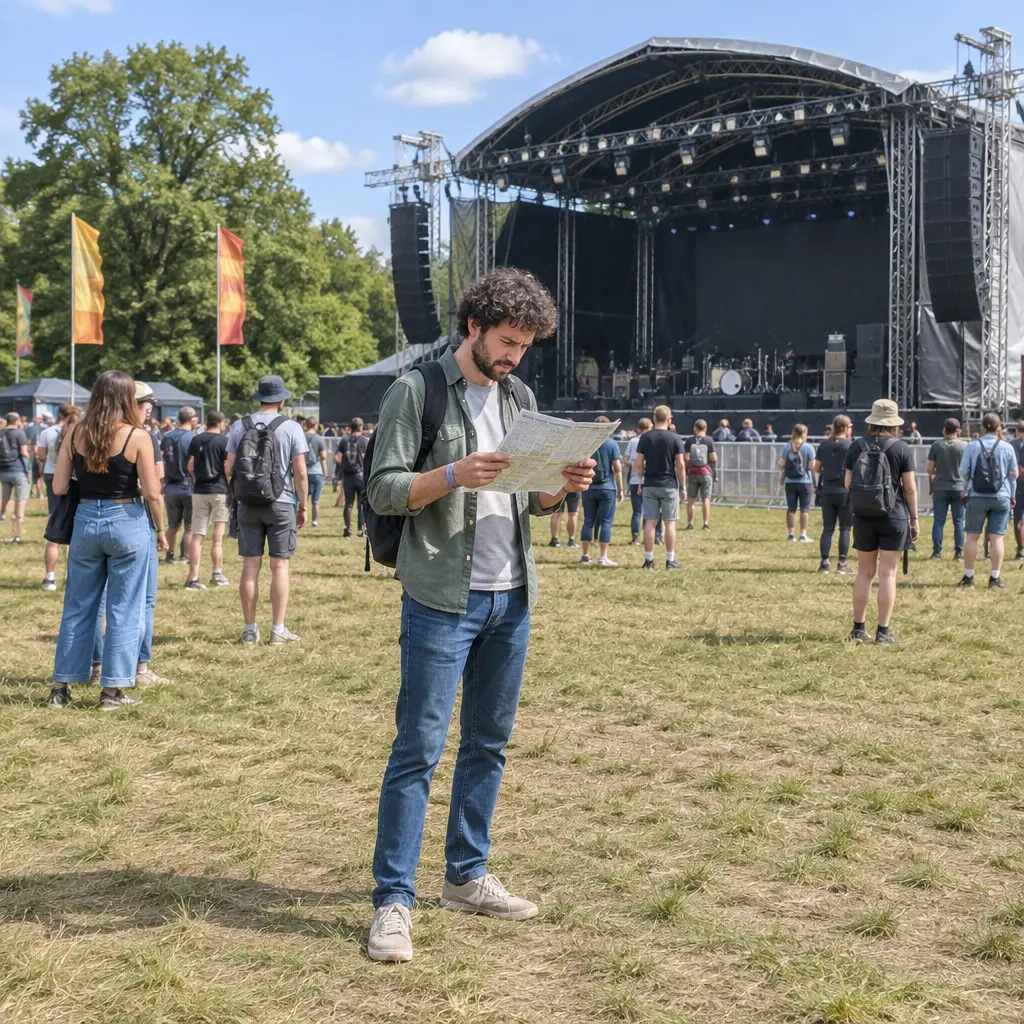
A festival schedule is the plan of performances and activities across stages and times. Check set-time conflicts, stage distances, gates, and the final transport options before building your day. Choose a few priority performances and leave breaks for food, rest, and movement; trying to see every act can make a long event less enjoyable. For overnight or remote festivals, confirm arrival windows and departure plans, and use official event updates for changes to schedules or site conditions.
A Practical Method for Choosing a Festival
A short comparison process can turn a crowded calendar of events into a manageable choice. Start with music, then test the event against your budget, preferred atmosphere, and logistical needs.
- List the genres and artists you most want to hear, including how much room you want for discovering new acts.
- Review the full lineup and set schedule for the specific festival year, not just its headliners or past editions.
- Decide whether you prefer a genre-focused bill, a multi-genre program, an intimate setting, or a large event.
- Estimate the complete cost, including travel, accommodation, food, and equipment.
- Check accessibility, safety, site rules, weather planning, and transport arrangements using the organizer’s official information.
- Compare your strongest options and choose the event that best balances musical fit with practical feasibility.
A simple comparison chart can help: list each festival as a row and score lineup fit, atmosphere, total cost, travel, and accessibility from 1 to 5. The scores are a personal planning aid, not an objective ranking; weight the categories that matter most to you.
Conclusion: Choose for the Experience You Want
Choosing the right festival means matching lineup fit with the atmosphere and scale you prefer, then confirming that the cost, access, and logistics work for you. Genre-focused events can provide musical concentration, while multi-genre festivals offer variety and discovery; intimate, large, camping, and city formats each create different demands. Review current lineups and official planning information, compare the full trip cost, and make a realistic schedule. The best festival is not necessarily the biggest or most famous—it is the one that brings together music you value and an experience you can comfortably enjoy.
Sources: National Independent Venue Association, 2023 Annual Report, https://www.nivassoc.org/2023-annual-report; U.S. Bureau of Labor Statistics, Consumer Expenditure Surveys, https://www.bls.gov/cex/; Glastonbury Festival, Festival Site Information, https://www.glastonburyfestivals.co.uk/information/; U.S. National Institute for Occupational Safety and Health, Criteria for a Recommended Standard: Occupational Noise Exposure, https://www.cdc.gov/niosh/docs/98-126/.