Daytime festival crowds are groups of people gathering at outdoor music and cultural events before evening, and they can be more enjoyable than their packed reputation suggests. With good planning, daylight makes it easier to explore stages, meet friends, find food and take breaks. Attendance figures from major festivals show the scale of the experience, while crowd-management guidance from event-safety authorities explains why layout, movement and preparation matter. Here’s what makes daytime crowds appealing, how to navigate them, and what real-world festival examples can teach first-timers.
Why Daytime Festival Crowds Can Feel More Welcoming
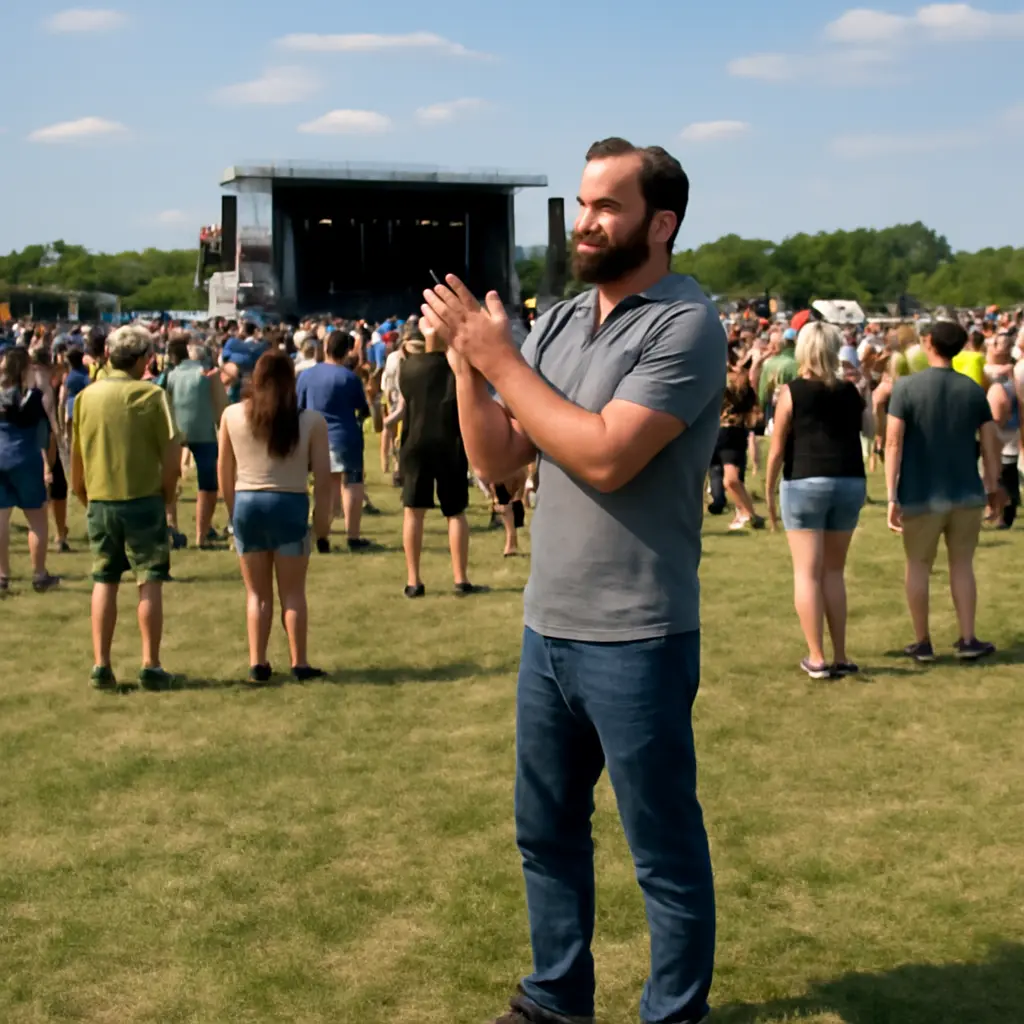
A daytime festival crowd is not simply a large audience in bright weather. It is a mix of people moving among performances, food stalls, shaded areas and other activities, often at different paces. The crowd experience depends on the venue, schedule, weather, accessibility and how organizers manage circulation—not just the number of tickets sold.
That distinction matters: a crowd can be busy without feeling uniformly compressed. Daylight helps attendees read signs, locate meeting points and see the routes around them. A festival’s own attendance figure is a useful measure of scale, but it does not by itself tell you how dense any one area will be. Stage placement and the timing of popular acts can concentrate people in particular places.
Daylight makes the site easier to understand
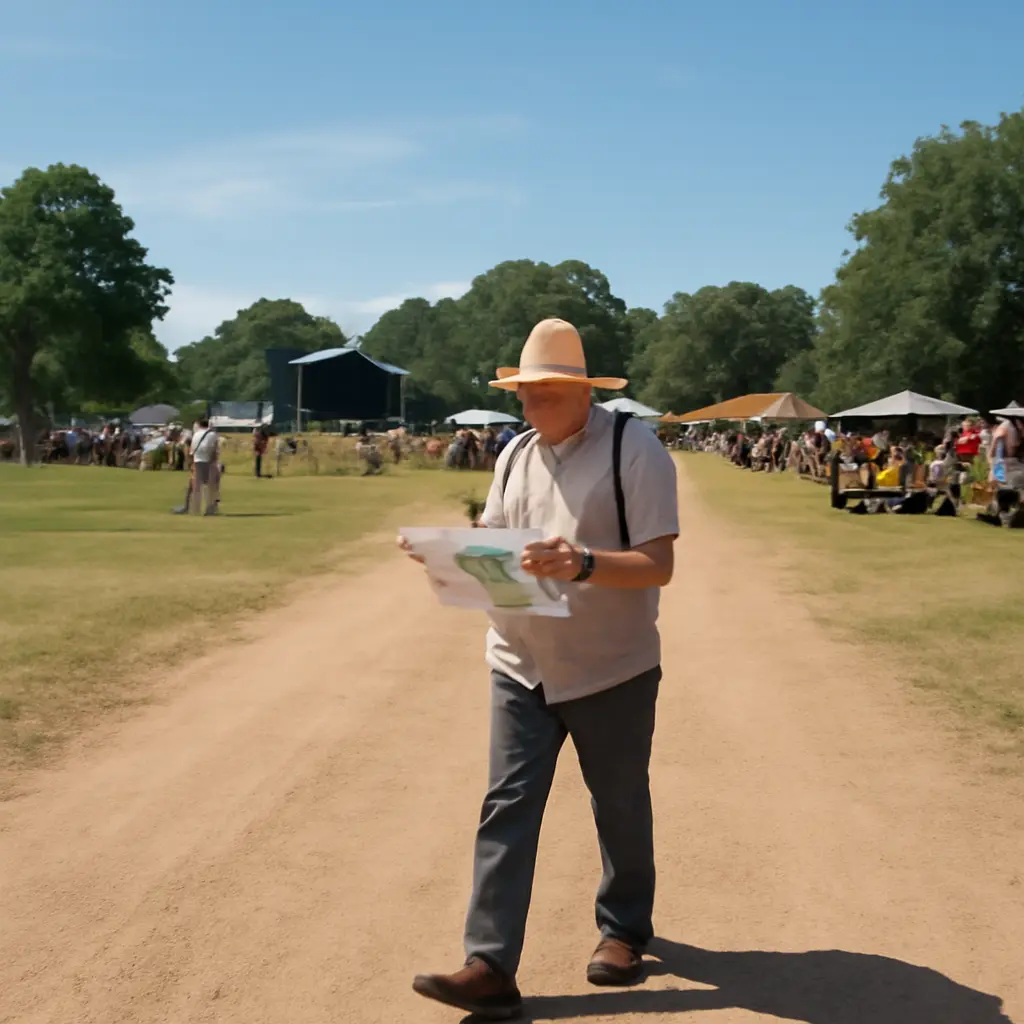
In daylight, people can more readily spot landmarks, check maps and judge whether a walkway or viewing area is getting busy. That can make it simpler to regroup with friends or choose a less-crowded route. It is a practical advantage, not a guarantee of safety: attendees should still follow staff directions, keep exits clear and avoid pushing against the flow of a moving crowd.
A crowd includes more than the audience at the main stage
Festival-goers spread across performances, food and drink concessions, merchandise, family areas and quieter spaces. These are different kinds of festival crowds: a concentrated stage audience, a moving stream between areas, or smaller groups gathered around amenities. Exploring beyond the headline stage can turn a large event into a series of manageable experiences.
How Festival Layout and Crowd Movement Shape the Experience
Crowd movement describes how people enter, leave and circulate through an event site. The UK Health and Safety Executive’s event-safety guidance emphasizes planning for audience movement, including routes, entrances, exits and areas where people may gather. For attendees, this means that a festival’s design can matter as much as its headline attendance: clearly marked routes and well-managed spaces make it easier to move around without feeling trapped in one dense mass.
The audience also changes over the course of the day. People arrive, visit different stages, take meal breaks and leave; a popular performance can temporarily pull a larger audience to one location. Understanding these patterns helps explain why arriving early or choosing a side viewing area may make a big event feel more relaxed.
Stage audiences and high-demand moments
A stage audience is the group gathered to watch a performance. Its density can rise as a well-known act approaches, so check the schedule and decide in advance how close you want to be. If a viewing area feels uncomfortable, move away early and calmly toward an open space; do not try to cross a tightly packed crowd against its direction of travel.
Food, water and quieter areas create natural breaks
Concessions and rest areas offer more than convenience: they give people a reason to pause, recover and experience the festival outside the main-stage rush. Check the event map for water points, toilets, shade and accessible facilities. The Centers for Disease Control and Prevention identifies prolonged heat exposure as a health risk and recommends taking steps to stay cool and hydrated. Festival-specific advice and medical staff should guide decisions when conditions are particularly hot.
What Major Festivals Show About Crowd Scale
Large festivals demonstrate that high attendance and an enjoyable experience can coexist, but headline totals need context. Glastonbury Festival reports a capacity of 210,000 people for its 2024 event, while the City of Chicago reported approximately 400,000 attendees at the 2024 Lollapalooza festival. Those figures describe event-wide scale, not how tightly packed every field, stage or walkway was at a given moment.
These examples also show why “festival crowd” is not one single experience. A person watching a set near the front encounters a different density from someone browsing food stalls or listening from farther back. The practical lesson is to use official maps and schedules, pick meeting points, and treat attendance numbers as context rather than a prediction of how crowded every area will feel.
Plan around the schedule, not just the headline act
A schedule-based plan can help you avoid rushing between stages at the same time as many other attendees. Choose a few priority performances, allow time to walk between them, and leave room for discoveries. If you are attending with friends, agree on a meeting point that is easy to identify and away from entrances, exits and busy walkways.
Use the event’s official information
Organizers’ maps and notices are more reliable than assumptions about where facilities or accessible routes will be. Review the rules on bags, re-entry, water containers and transportation before leaving home. For a first visit, arriving early can provide time to learn the site before the busiest performances begin.
Simple Ways to Enjoy Daytime Festival Crowds
A little preparation reduces the most common sources of stress: getting separated, standing in the sun too long, missing a route or feeling obliged to stay in an uncomfortable viewing area. The aim is not to avoid people altogether, but to give yourself choices throughout the day.
- Check the site map, schedule, weather forecast and transport plan before you go.
- Set a clear meeting point with your group and agree what to do if phone service is unreliable.
- Wear comfortable footwear and bring sun protection appropriate to the forecast and event rules.
- Take regular breaks, drink water and use shaded or quieter areas when you need them.
- Keep routes and exits clear, follow staff instructions and leave an area if it becomes uncomfortable.
- Look beyond the main stage: smaller performances and less-busy parts of the site can be highlights.
If someone feels unwell, seek event medical staff or follow the festival’s emergency instructions rather than trying to manage a serious problem alone. For accessibility needs, contact the organizer in advance to confirm facilities, viewing arrangements and routes.
Conclusion: A Busy Festival Can Still Be a Good Day
Daytime festival crowds can be enjoyable because daylight makes the site easier to read, varied activities spread people across the grounds, and planned breaks offer a change of pace. Crowd movement and venue design still matter, especially around popular performances, but attendance totals alone do not define what every part of a festival feels like. Check official information, make a flexible plan, stay hydrated and choose viewing areas that feel right for you. For further preparation, consult the event organizer’s map and safety guidance before you go.
Sources: UK Health and Safety Executive, “Managing crowds safely,” https://www.hse.gov.uk/event-safety/crowd-management.htm; Centers for Disease Control and Prevention, “Heat and Health,” https://www.cdc.gov/heat-health/; Glastonbury Festival, “Information,” https://www.glastonburyfestivals.co.uk/information/; City of Chicago, “Lollapalooza,” https://www.chicago.gov/city/en/depts/dca/supp_info/lollapalooza.html.