Hip-hop festivals have grown from live-music events into shared cultural gatherings where performance meets fashion, food, community, commerce, and public conversation. Their cultural impact is visible in events such as Rolling Loud and the Roots Picnic, which combine artist lineups with brand activations and community programming, and in the genre’s enormous reach: the Recording Industry Association of America reported that hip-hop/R&B accounted for 25.3% of U.S. on-demand audio streams in 2023. Festivals do not all create the same kind of cultural moment, but their programming, audiences, and surrounding activities help explain why many now feel bigger than a concert.
Hip-Hop Festivals as Cultural Moments: From Concerts to Shared Experiences
A hip-hop festival is a live event organized around hip-hop music and its related forms, including rap performance, DJing, dance, fashion, visual art, and community expression. It becomes a cultural moment when those elements combine into a widely shared experience that audiences discuss, document, and carry into public life beyond the festival grounds. The distinction is not that music disappears; rather, the music becomes the central thread connecting artists, fans, local communities, sponsors, and media.
The scale of hip-hop helps explain the festivals’ wider resonance. The Recording Industry Association of America’s 2023 year-end report found that hip-hop/R&B represented 25.3% of U.S. on-demand audio streams, making it the largest genre grouping in the report. Streaming figures do not measure festival attendance or cultural influence directly, but they show the size of the audience that festivals can bring together in person. To understand how that influence takes shape, it helps to look at the festivals’ programming, community role, and commercial ecosystem.
How Hip-Hop Festival Programming Creates Cultural Moments
Festival programming is the planned combination of performances, stages, activities, and experiences that shapes what attendees encounter. In hip-hop, this can include headline sets, DJ showcases, dance battles, emerging-artist stages, talks, food, and visual culture. The genre’s foundational elements—often described as MCing, DJing, breaking, and graffiti art—provide a useful lens for seeing why a festival can be more than a sequence of concerts.
Multi-artist bills and shared performance
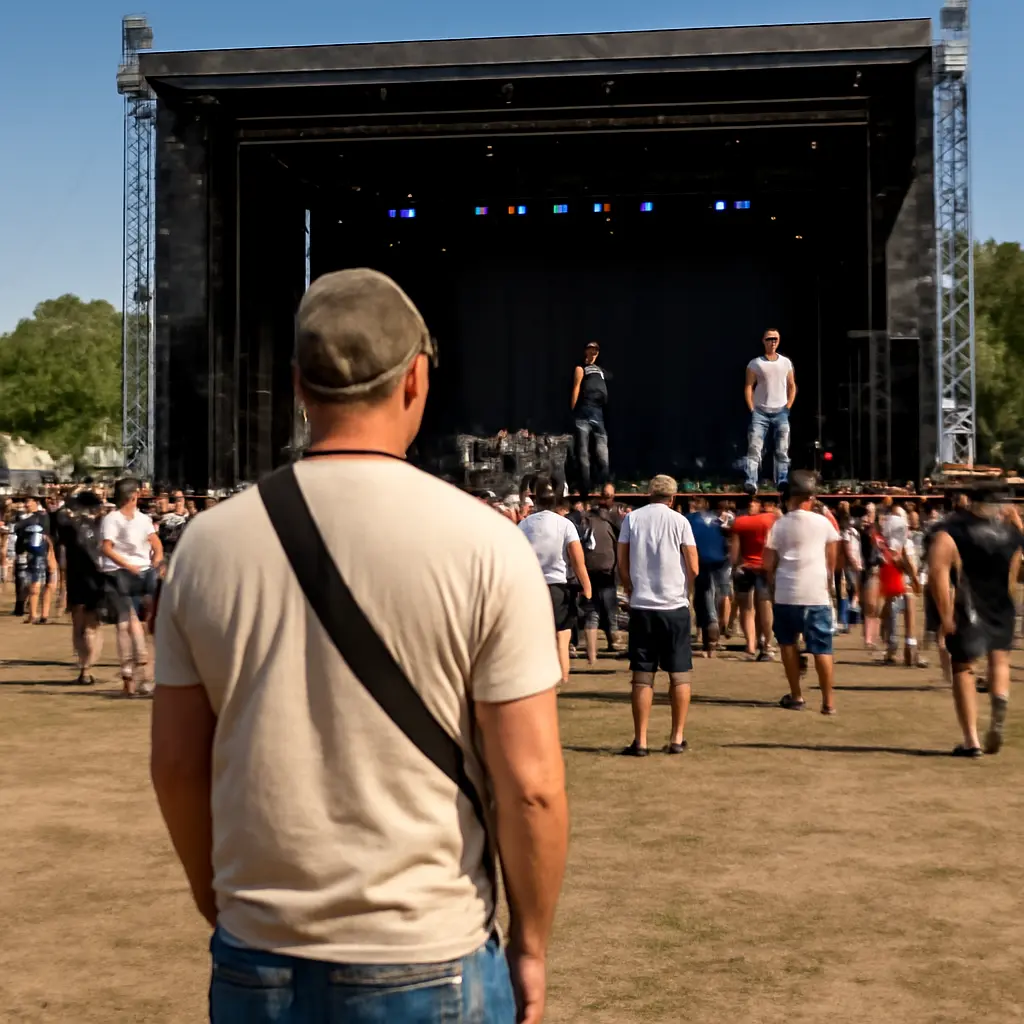
A multi-artist bill brings performers together across generations, regions, and styles. That format can turn a set into a point of comparison or collaboration: a veteran act may share a lineup with newer artists, while a surprise guest or reunion can become the moment audiences remember and circulate online. Rolling Loud, founded in Miami in 2015, illustrates the large-scale, multi-stage model, with editions expanding across cities and international markets. Its lineups foreground contemporary rap while also creating a platform for artists whose audiences may overlap but do not usually attend the same show.
Beyond the main stage: DJing, dance, and visual culture
A culturally broad festival makes space for more than headline rap performances. DJ sets connect the event to hip-hop’s history of selection and beat-making; dance showcases and breaking battles emphasize movement and competition; murals and installations bring visual art into the audience’s path. These activities help make the festival legible as a cultural gathering, not just a concert schedule. The exact mix differs by event, and a festival’s inclusion of these forms should be assessed through its actual programming rather than assumed from its branding.
Once programming widens beyond the stage, the festival also becomes a place where audiences enact identity and community. That leads to a second dimension of cultural significance: what people bring, share, and build together on site.
How Hip-Hop Festival Communities Extend the Experience
Festival community refers to the relationships and shared practices that form among artists, attendees, organizers, and host locations. It can include collective celebration, local participation, cultural exchange, and efforts to make the event accessible or responsive to its surroundings. Sociologist Émile Durkheim used the term “collective effervescence” to describe the heightened energy people may experience when gathered around shared rituals. A festival can produce a similar sense of togetherness, although that experience varies by person and is not guaranteed by attendance alone.
Fashion, identity, and audience participation
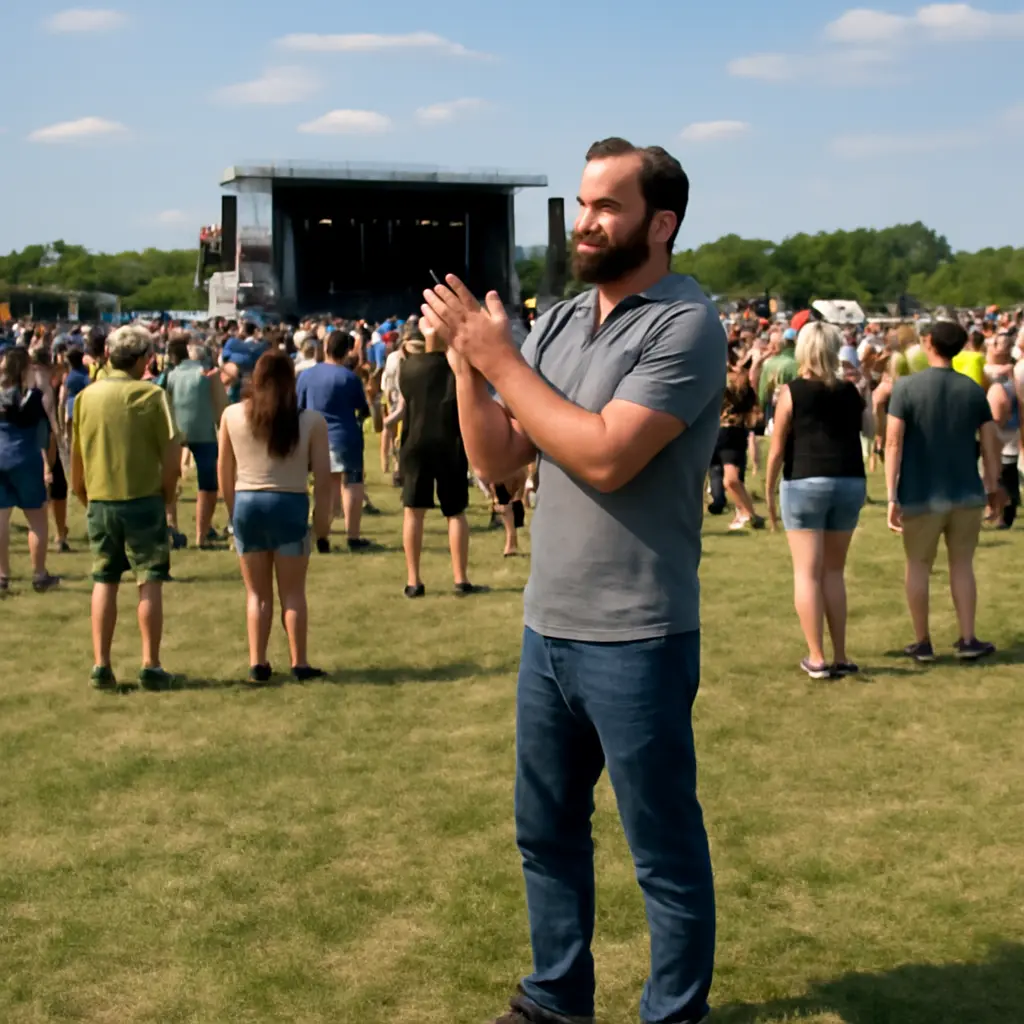
Clothing, styling, dance, and social-media sharing let attendees participate in the event’s cultural language rather than simply watch it. Hip-hop fashion has long been associated with individual expression and changing trends; at a festival, those choices become visible in a dense public setting and can spread through photographs and short-form video. Audience participation also includes learning lyrics, responding to performers, and sharing reactions. These practices help transform an individual concert experience into a collectively documented one.
Local culture and community programming
A festival’s relationship with its host city can broaden its meaning. Local performers, food vendors, cultural organizations, and neighborhood partnerships can connect a national lineup to the place where it takes place. The Roots Picnic in Philadelphia, curated by the Roots, is an example of a festival whose identity is closely linked to its city and to a broader presentation of Black music and culture. The event’s wider program and collaborations show how a festival can frame music within a local cultural context, although the depth of that connection depends on the specific year and partnerships.
Memory, media, and the life of a festival moment
A cultural moment often continues after the gates close because attendees and media preserve it through clips, photographs, interviews, and discussion. A performance can become a shared reference point when a guest appearance, tribute, political statement, or unexpected collaboration is replayed and debated. Social platforms accelerate that circulation, but a viral clip alone does not prove lasting cultural importance. The strongest moments tend to connect an event’s immediate excitement with a wider story about an artist, a community, or the genre’s history.
Community and media give festivals their public life, while the business systems behind them determine which experiences are funded, promoted, and repeated. The commercial dimension is therefore part of the cultural story, too.
How Hip-Hop Festival Business Shapes Cultural Reach
The festival business includes ticketing, sponsorship, concessions, merchandise, artist fees, venue operations, and media partnerships. These systems can help events grow and offer audiences more services, but they also influence lineups, prices, branding, and access. The cultural reach of a festival is therefore connected not only to who performs, but also to who can attend and how commercial partners participate.
Brand partnerships and the festival experience
Sponsorship is financial or in-kind support from a company in exchange for visibility or engagement with festival audiences. At hip-hop festivals, partnerships may appear as branded lounges, product experiences, merchandise collaborations, or sponsored stages. These activations can add amenities and support production costs, while raising questions about whether commercial messaging fits the event’s community and artistic identity. The degree of influence varies across festivals, so sponsorship should be evaluated event by event rather than treated as uniformly positive or negative.
Economic activity and limits of available data
Festivals can generate work and spending for performers, crews, vendors, hotels, transport providers, and nearby businesses. However, an economic-impact figure is meaningful only when its scope and method are clear: gross spending, local business revenue, jobs supported, and net economic benefit are different measures. There is no single reliable statistic that captures the economic contribution of all hip-hop festivals, which vary widely in size, location, duration, and ownership. Organizers and host cities should therefore publish transparent, event-specific data instead of relying on broad industry estimates.
Access, safety, and representation
A festival’s cultural claims are shaped by who can participate safely and affordably. Ticket prices, transportation, disability access, age policies, crowd management, and representation across lineups all affect the audience’s experience. These considerations are particularly important for events that describe themselves as community-centered. Clear accessibility information, fair vendor opportunities, trained staff, and meaningful local partnerships can help align a festival’s operations with its public identity.
These dimensions are easiest to see in real events, where a festival’s format and local context influence what kind of cultural gathering it becomes.
Real-World Examples of Hip-Hop Festivals as Cultural Gatherings
Rolling Loud: a global-facing rap platform
Rolling Loud demonstrates how a festival built around contemporary rap can become a recurring meeting point for artists and fans across markets. Its multi-day, multi-stage approach offers breadth, while its city-by-city editions connect a recognizable brand with different local settings. The model illustrates the power of scale and artist discovery, but it also highlights the need to consider ticket affordability, crowd experience, and the relationship between a traveling festival brand and local culture.
The Roots Picnic: music connected to place and legacy
The Roots Picnic offers a different example: a festival associated with Philadelphia and curated by the city’s own Roots. Its identity draws on the group’s musical legacy and a wider presentation of Black music, with lineups and programming that can extend beyond a single rap subgenre. This approach demonstrates how curation and place can give a festival a distinct cultural character rather than making it interchangeable with events elsewhere.
What these examples show—and what they do not
Together, these festivals show that cultural significance can emerge through different routes: international scale, local identity, broad curation, artist discovery, or community participation. They should not be treated as interchangeable, and one festival cannot stand in for the whole genre. Attendance totals, social-media reach, and streaming popularity can indicate scale, but they do not by themselves measure cultural value. A fuller assessment also considers who is represented, how audiences participate, and what remains after the event.
Conclusion: Hip-Hop Festivals as Living Cultural Platforms
Hip-hop festivals have become cultural moments when programming, community, media, and commercial activity converge around live performance. Multi-artist bills and hip-hop’s connected art forms broaden the experience; fashion, local participation, and shared memories help audiences make it their own; and sponsorship, access, and event economics shape who benefits. The RIAA’s finding that hip-hop/R&B made up 25.3% of U.S. on-demand audio streams in 2023 underscores the genre’s reach, while festival examples show how that reach can take different local and global forms.
The broader implication is that festivals can serve as platforms for cultural expression and exchange, but their impact depends on decisions made by organizers, artists, partners, and host communities. Readers can explore festival lineups and accessibility policies, support local artists and vendors, and look for transparent reporting on community partnerships and economic claims. Those choices help ensure that the next festival moment is not only widely seen, but meaningfully shared.
Sources: Recording Industry Association of America, 2023 Year-End Music Industry Revenue Report, https://www.riaa.com/reports/2023-year-end-music-industry-revenue-report-riaa/; Encyclopaedia Britannica, Hip-Hop, https://www.britannica.com/art/hip-hop; Rolling Loud, About, https://rollingloud.com/pages/about; The Roots Picnic, Official Website, https://rootspicnic.com/; Émile Durkheim, The Elementary Forms of Religious Life, 1912.