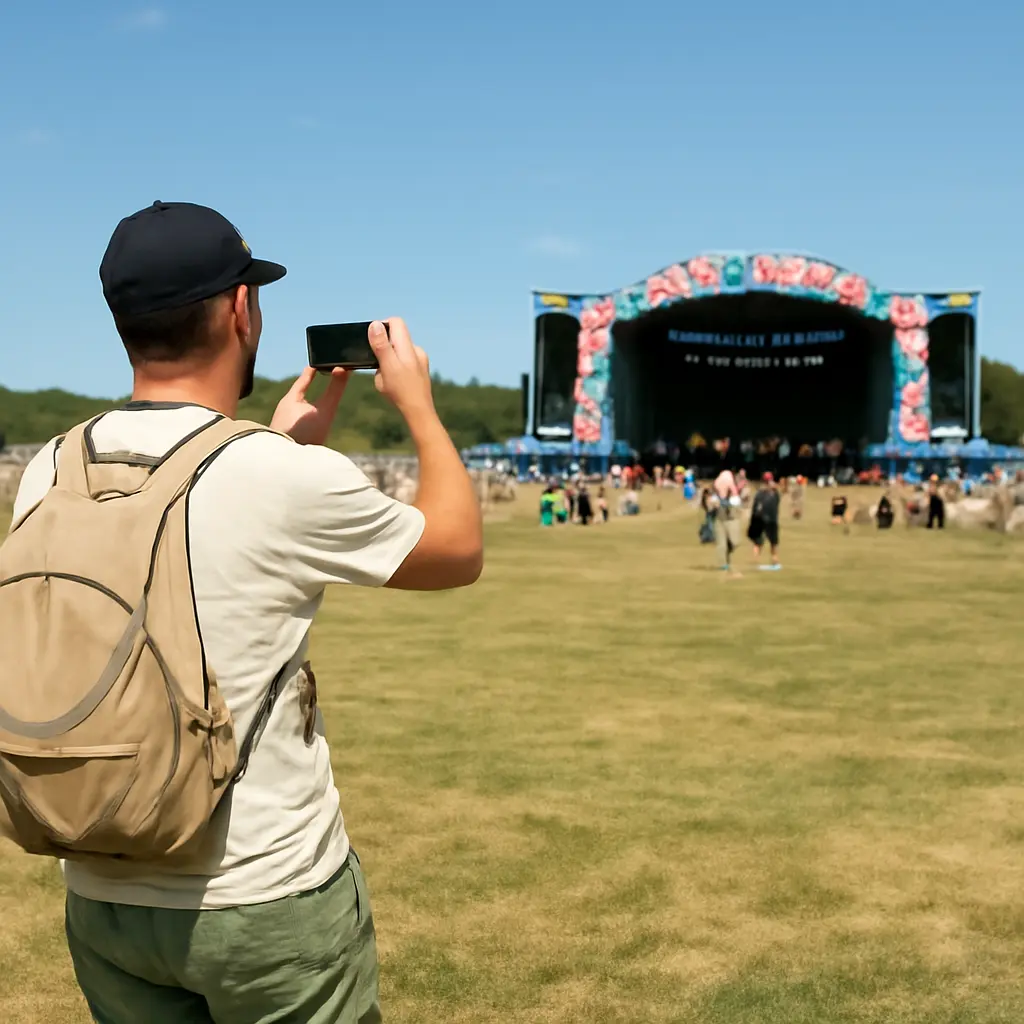
A music festival is a live event that brings artists and audiences together for performances, often across multiple stages and days. Festival season is easier to enjoy when you plan in layers: understand camping and site logistics, pack for weather and comfort, protect your health, and use a flexible strategy for choosing sets and reaching headliners. The scale makes preparation worthwhile: Pollstar reported that the world’s top 100 music tours grossed a record $9.5 billion in 2023, while outdoor events can involve long walks, heat, crowds, and limited services. This guide explains how to prepare for camping, navigate festival operations, stay safer, and make the most of the lineup without turning the weekend into a rigid schedule.
Festival camping basics: choosing a setup and packing wisely
Festival camping is temporary accommodation at or near an event, typically in a designated campground with rules for vehicles, tents, fires, noise, and supplies. The exact facilities vary by festival, so the organizer’s official camping guide is the authority on what is permitted and provided. Camping options commonly include general tent camping, car camping, glamping, and off-site accommodation.
Choose the right camping type
General camping usually means carrying gear from a parking area to a shared campground. Car camping lets you keep permitted equipment beside or inside your vehicle, but does not necessarily mean sleeping in the car. Glamping typically provides pre-arranged tents or upgraded facilities at a higher price; off-site stays trade campground access for travel time. Compare the distance to stages, restroom access, shade, noise expectations, and transport arrangements before booking.
Pack for function, not just the forecast
A useful packing plan covers shelter, sleep, clothing, food, hygiene, and emergencies. Bring a tent suitable for the expected weather, a sleeping bag or bedding, a ground mat, a headlamp, earplugs, and a refillable water bottle if the event permits it. Add sun protection, a rain layer, broken-in footwear, and spare socks; desert nights, sudden showers, and muddy paths can all defeat a single-weather forecast. Check rules for camping stoves, glass, batteries, chairs, and outside food before packing.
Set up camp with comfort and safety in mind
Arrive during the organizer’s stated check-in window, identify your campground zone, and note the nearest water points, toilets, medical tent, and exits. Keep walkways clear and secure tent stakes and guy lines to reduce trip hazards. The National Weather Service advises people outdoors to take heat seriously: pace activity, seek shade, and drink water, while recognizing that excessive water intake can also be dangerous. Follow event medical guidance and seek help for confusion, fainting, severe weakness, or other urgent symptoms.
Festival logistics: turning the site map into a workable plan
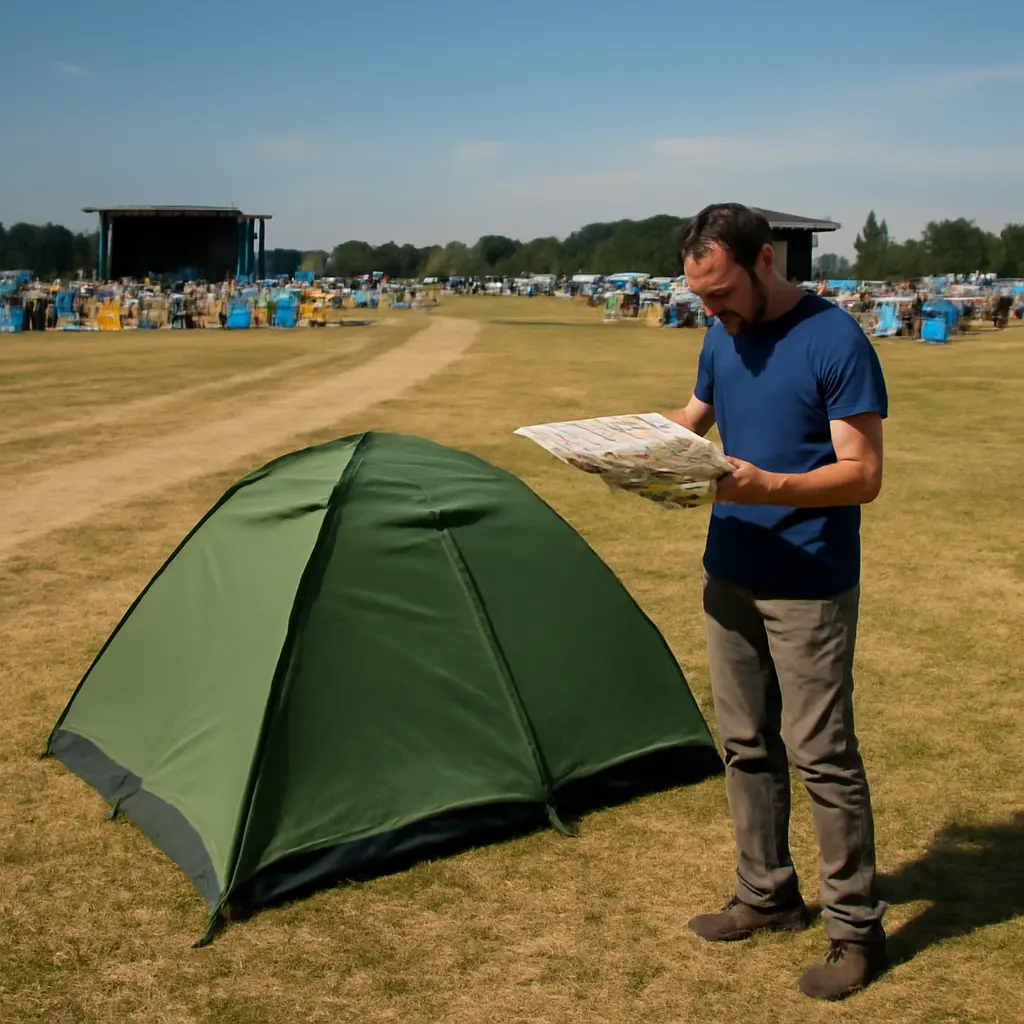
Festival logistics are the practical systems that connect entry, movement, amenities, and communication. A map is more than a list of stages: it helps estimate walking time, identify accessible routes, and plan around queues. Large festivals may spread performances across a wide site, so a schedule that ignores travel time can make even nearby sets difficult to reach.
Plan entry, transport, and essentials
Before leaving, check ticket and wristband instructions, bag restrictions, gate hours, shuttle details, parking rules, and re-entry policy. Save the schedule and site map offline in case mobile service is unreliable, and agree on a meeting point with friends in case you become separated. Keep identification, payment options, necessary medication, and emergency contacts secure and accessible.
Use accessibility and support services
Accessibility arrangements can include viewing platforms, step-free routes, accessible toilets, captioning, or assistance services, but provision and registration requirements differ. Review the festival’s accessibility information well before the event and contact the organizer about specific needs. The U.S. Department of Justice explains that the Americans with Disabilities Act applies to many public accommodations; festival attendees should consult event-specific policies and applicable local requirements rather than assume every site offers identical facilities.
Festival health and safety: managing weather, crowds, and sound
Festival safety combines personal preparation with attention to event procedures. Heat, dehydration, slips, crowd pressure, and loud sound are foreseeable risks at outdoor shows. The Centers for Disease Control and Prevention identifies heat illness as a spectrum that can become life-threatening, making early recognition and prompt help important.
Hydration, heat, and weather readiness
Drink regularly, take breaks in shade, and use the event’s refill stations where available. Water needs vary with temperature, exertion, health, and individual circumstances, so avoid treating a fixed quantity as universal advice. Check forecasts and official alerts, and know where cooling areas and medical services are located. If lightning, high winds, flooding, or extreme heat prompts instructions, follow event staff and emergency authorities rather than trying to protect a campsite at the expense of personal safety.
Crowd awareness and hearing protection
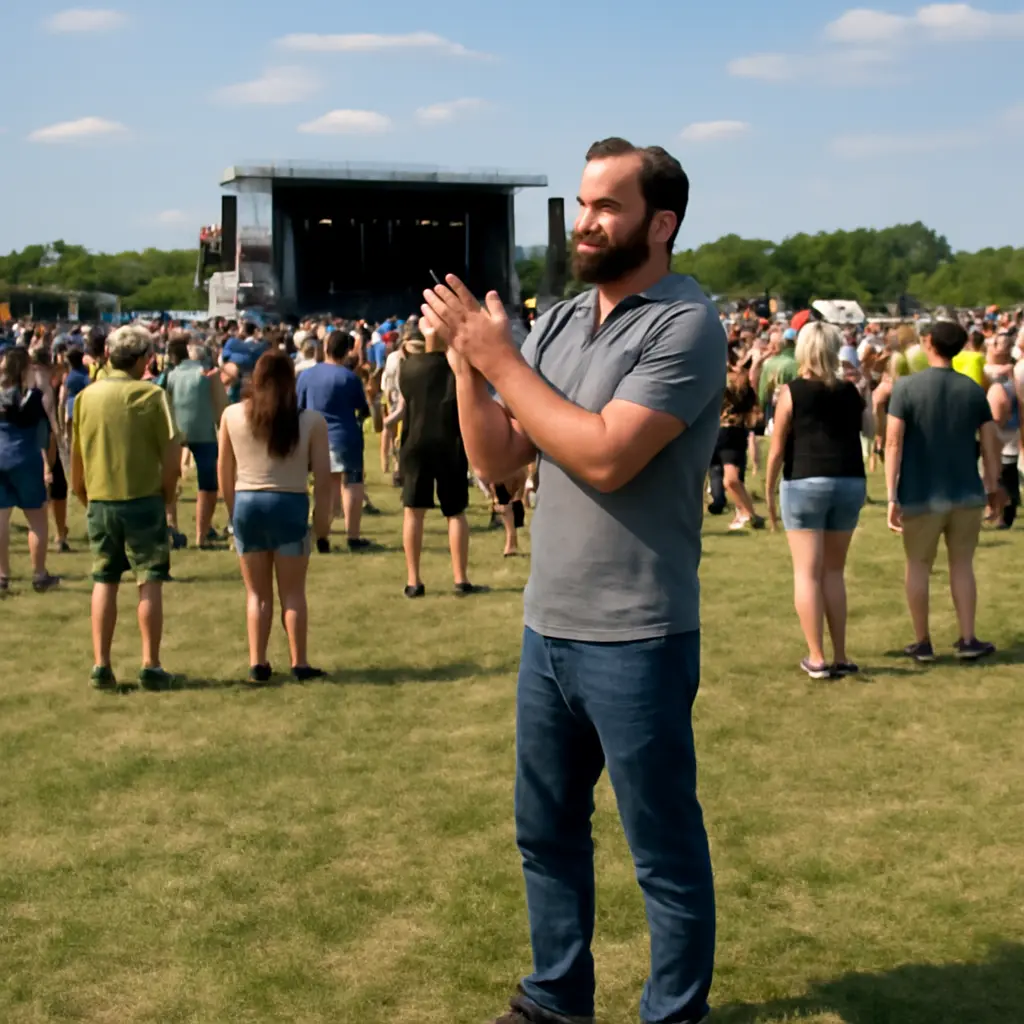
Choose a viewing position that leaves room to move, identify the nearest exit, and avoid pushing against crowd flow. If a crowd becomes uncomfortable, move calmly toward an edge and alert staff when someone needs assistance. For hearing, use properly fitted earplugs and take breaks away from loud stages. The World Health Organization recommends keeping recreational sound exposure within safe limits; its safe-listening guidance uses an average limit of 80 dB for up to 40 hours per week as a reference for adults, with allowable duration falling as sound levels rise.
Festival lineup strategy: balancing discoveries and headliners
A lineup strategy is a flexible plan for choosing performances while accounting for overlaps, travel, rest, and personal priorities. It is useful to separate “must-see” artists from “would-like-to-see” sets, then leave room for discoveries and downtime. Festival schedules change, so verify performance times through official updates on the day.
Build a schedule around priorities
Mark a small number of essential sets first, then add performances that fit nearby stages or reveal unfamiliar artists. Check set lengths and stage locations, and allow transition time for walking, food, restrooms, and crowds. When two favorites overlap, decide in advance whether to split the set, catch one artist in full, or choose based on how difficult it may be to see each performer elsewhere.
Choose a headliner viewing position
For a close view, arrive earlier than the headliner’s start time and remain aware of crowd movement, water access, and exit routes. For better sound, a less congested position near the sound system may be preferable to the front barrier. Friends should agree on a meeting point outside the densest viewing area, since phone service and messaging may be unreliable. Do not treat a prime position as more important than leaving a packed area when you feel unsafe.
Protect energy across multiple days
Festival stamina comes from pacing rather than trying to attend every set. Schedule meals, water breaks, sleep, and quieter periods, especially when camping. Consider leaving a late-night performance early if transport or a long walk back to camp creates a safety concern. A plan that preserves energy can make the final day more enjoyable than a packed itinerary that leaves no room to recover.
Festival sustainability: reducing waste and respecting the site
Sustainable festival attendance means reducing avoidable waste and minimizing harm to the venue and surrounding community. Bring reusable items only when permitted, sort waste according to the event’s signs, use designated toilets, and take camping gear home. The U.S. Environmental Protection Agency’s waste hierarchy prioritizes reducing and reusing before recycling, a practical principle for festival packing: the least wasteful item is often the one you do not need to bring.
Leave the campsite ready for the next use
Pack out belongings, food scraps, and equipment, and use the event’s recycling and waste stations as directed. Avoid disposable camping items where practical, but do not bring containers or equipment prohibited by the organizer. Respect nearby residents, wildlife, and land-use rules, particularly at temporary sites where grass, soil, and access roads can be damaged quickly.
Conclusion: make festival season memorable and manageable
Festival camping basics start with choosing an appropriate setup, packing for variable conditions, and learning campground rules. Strong logistics make entry, movement, and accessibility easier; health and safety habits help manage heat, crowds, and loud sound; and a flexible lineup strategy lets you enjoy discoveries as well as headliners. Before departure, review the organizer’s current rules, save maps and schedules offline, and make a realistic plan for rest and transport. Those small preparations can help turn a demanding weekend into a safer, more comfortable experience.
Sources: Pollstar, 2023 Year-End Charts, https://news.pollstar.com/2023/12/15/2023-year-end-charts/; National Weather Service, Heat Safety, https://www.weather.gov/safety/heat; Centers for Disease Control and Prevention, Heat-related Illnesses, https://www.cdc.gov/heat-health/about/index.html; World Health Organization, Make Listening Safe, https://www.who.int/activities/making-listening-safe; U.S. Department of Justice, Americans with Disabilities Act Title III Regulations, https://www.ada.gov/law-and-regs/regulations/title-iii-regulations/; U.S. Environmental Protection Agency, Sustainable Materials Management: Non-Hazardous Materials and Waste Management Hierarchy, https://www.epa.gov/smm/sustainable-materials-management-non-hazardous-materials-and-waste-management-hierarchy.