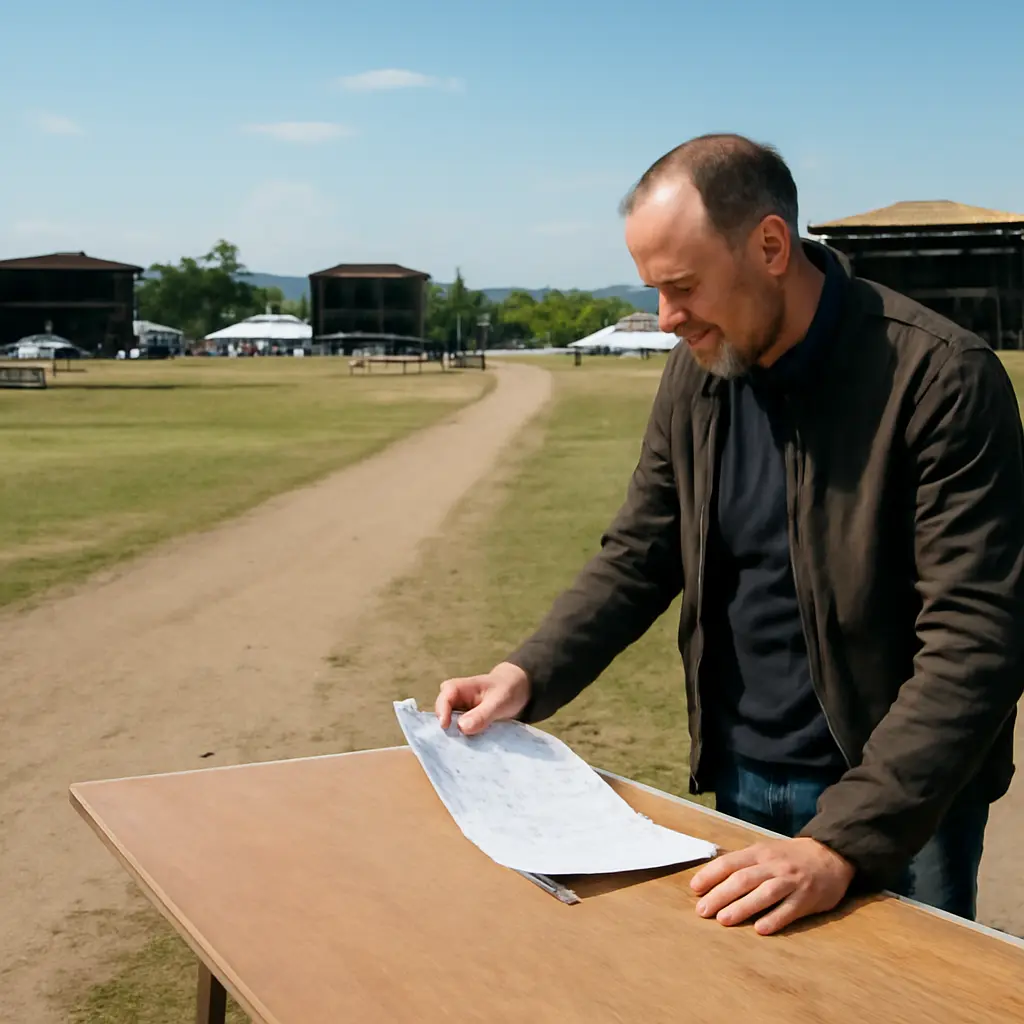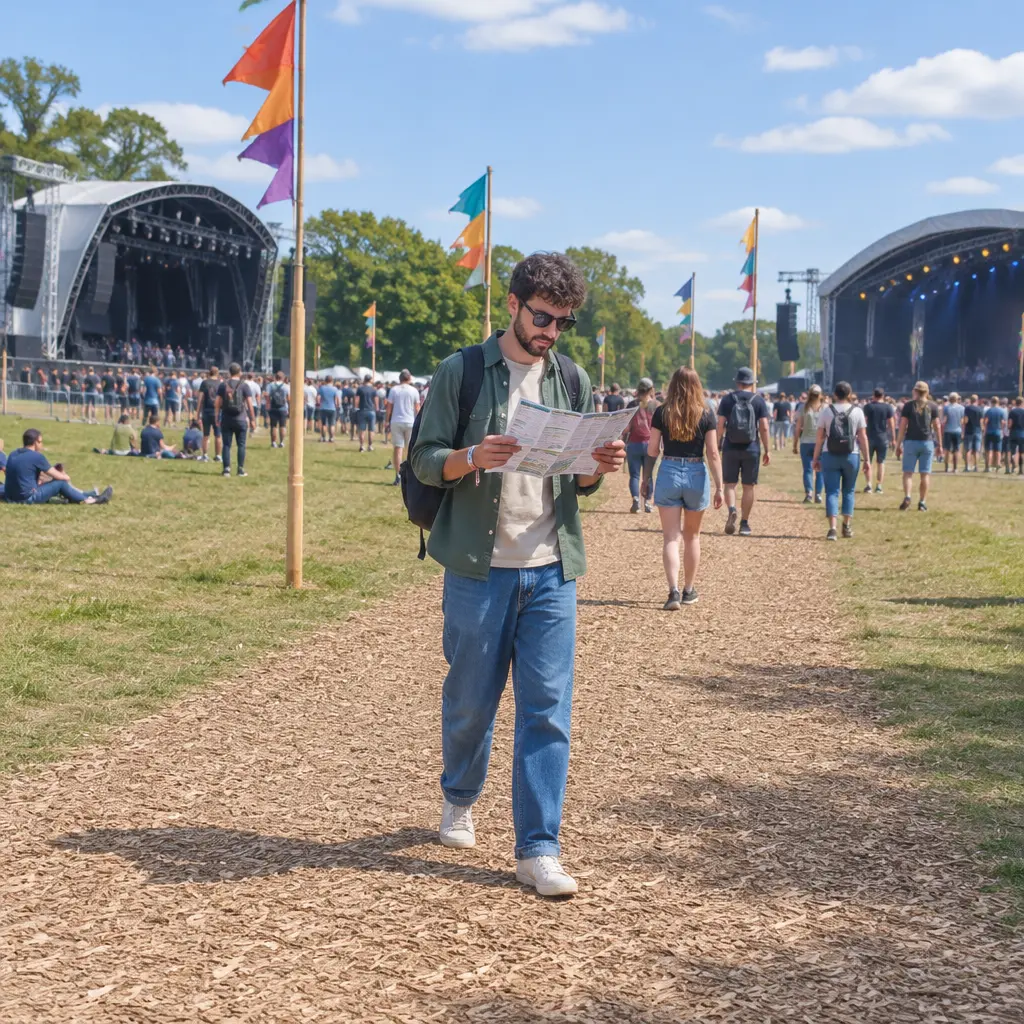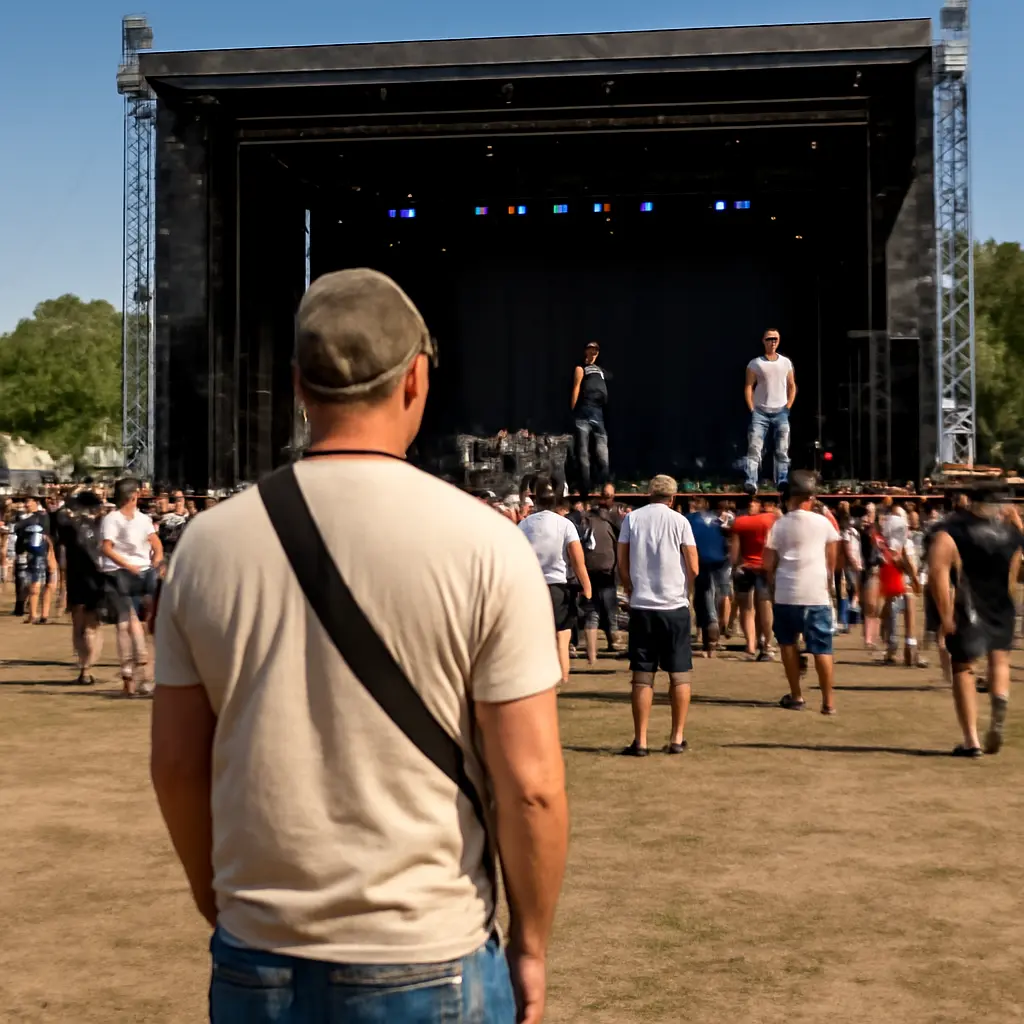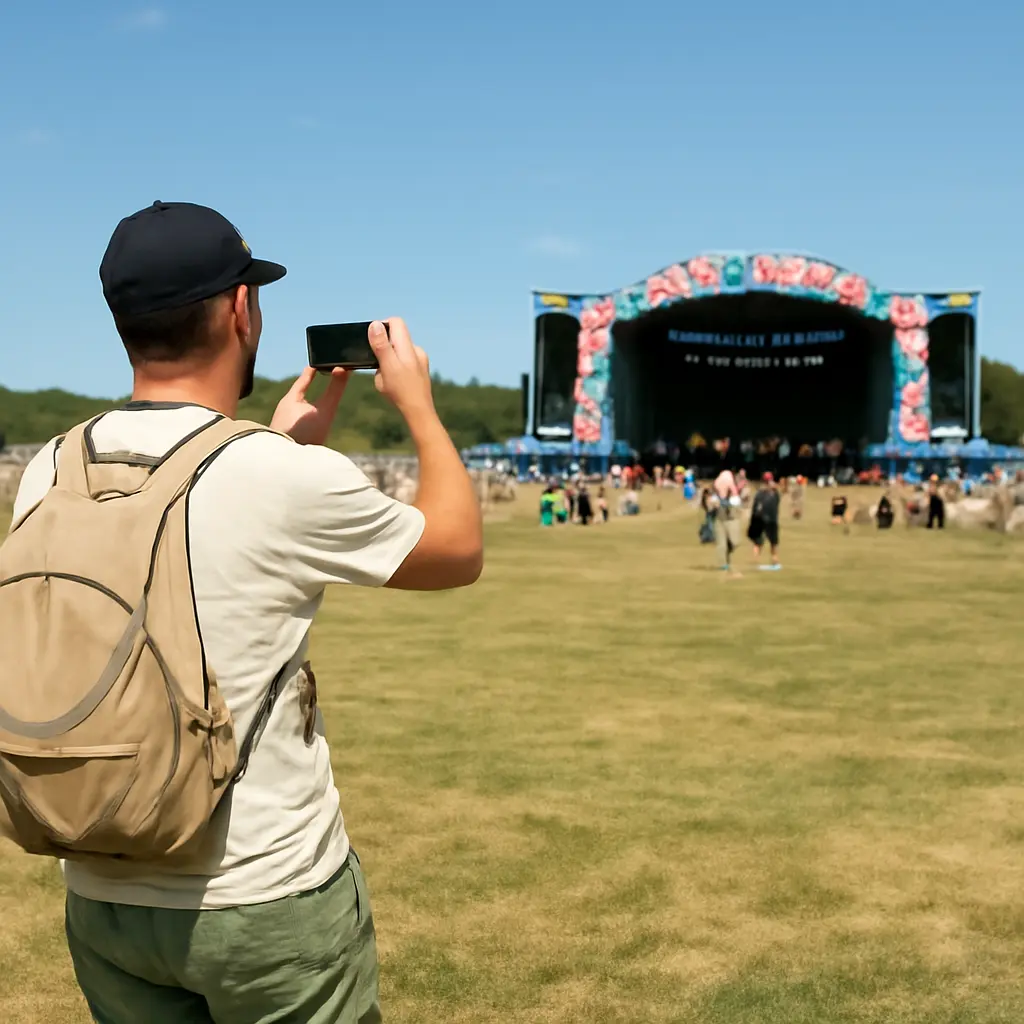
Festival photos are social-media posts showing moments from live music events, from crowded stages and glittering outfits to campsite breakfasts and muddy boots. Your friends keep sharing them because festivals combine memorable experiences, striking visuals, group identity, and an easy way to stay connected after the event. Research on social-media sharing and memory helps explain the impulse, while event data shows why festivals remain a major part of summer culture: the National Independent Venue Association reported that U.S. independent live-event venues and festivals generated $150.9 billion in total economic output in 2022. Here’s how the festival experience, photo-friendly platforms, and social connection turn one weekend into a steady stream of posts.
Festival photos reflect the experience-sharing effect
Experience-sharing is the tendency to tell other people about personally meaningful events. Harvard researchers Diana Tamir and Jason Mitchell found that people often disclose information about themselves partly because sharing activates brain systems associated with reward. Their 2012 study in the Proceedings of the National Academy of Sciences examined self-disclosure—not festival posting specifically—but offers a useful explanation for why friends may feel compelled to publish the highlights. A festival supplies a ready-made story: who they saw, what surprised them, and how the day felt.
Photos help preserve and revisit memories
A festival photograph is both a public post and a personal memory cue. Looking back at images can bring details of a trip or event to mind, and sharing them lets friends revisit the experience together. Research by Linda Henkel, published in Psychological Science in 2014, found that photographing objects during a museum visit could reduce memory for the objects themselves under certain conditions—an effect she called the “photo-taking-impairment effect.” The finding is a reminder that taking pictures is not the same as paying attention, though a photo can still serve as a useful record later.
Festival weekends generate vivid, varied content
Festivals pack multiple shareable scenes into a short time: performances, outfits, food stalls, friends, travel, and unexpected weather. That variety makes it easy to post more than one image without repeating the same moment. The U.S. Bureau of Economic Analysis estimated that arts and cultural activity contributed $1.1 trillion to U.S. GDP in 2022, a broad category that includes live performing arts. This figure is not a count of festival attendance, but it illustrates the scale of the wider cultural economy in which live events sit.
Social platforms make festival photos easy to share
Social sharing is the circulation of posts, images, and personal updates through online networks. The Pew Research Center’s 2024 social-media fact sheet reports that YouTube and Facebook remain among the most widely used platforms by U.S. adults, while Instagram is used by about half. These platforms offer different ways to share the same festival: a carefully selected photo, a short-lived story, a short video, or a group album. The format can shape what friends post, but the underlying goal is often similar—to show what happened and invite a response.
Visual platforms reward instantly recognizable moments
A sunset over a stage, a distinctive outfit, or a crowd singing along can communicate a lot at a glance. Image-first feeds make these moments convenient to publish and quick for friends to understand. A post may also carry practical context—artist names, location tags, or a festival hashtag—so it functions as both a personal update and a record of the event. There is no universal statistic showing that festival photos outperform other posts; the appeal depends on the platform, audience, and image.
Likes and comments provide social feedback
Social feedback includes reactions, comments, and messages that acknowledge a post. A friend’s “I was there too” or “Who played this set?” can extend the festival conversation beyond the grounds. In its 2024 survey of U.S. teens, Pew Research Center found that 74% said social media makes them feel more connected to what is happening in their friends’ lives. That finding concerns teens’ general social-media experiences, not festival posting in particular, but it helps explain why sharing an event can feel like a way of keeping a friendship active.
Festival posts signal identity and belonging
Social identity is the part of a person’s self-understanding connected to groups and shared interests. Festival photos can signal musical taste, fashion, travel, and membership in a community of fans. They can also mark a milestone—an annual trip with friends, a first concert, or a favorite artist’s set. Posting is not necessarily a bid for attention; it may simply be a way to celebrate an experience with people who recognize its meaning.
Shared images reinforce group memories
Group photos and tagged posts help friends build a shared account of the weekend. One person may capture the band, another the campsite, and someone else the late-night food run. Together, the images become a communal scrapbook. This is especially useful when friends attended different stages or events and want to compare what they saw afterward. The posts can prompt new conversations, but they are only a partial record: people tend to select highlights rather than document every part of the day.
Posts can inspire plans—and create FOMO
Festival posts can encourage friends to attend next year by showing the music, atmosphere, and social side of an event. The same highlight reel can also produce fear of missing out, or FOMO, when viewers compare their own plans with someone else’s best moments. A 2013 study by Andrew Przybylski and colleagues in Computers in Human Behavior described FOMO as a concern that others may be having rewarding experiences from which one is absent. A useful reality check is that a post usually shows a selected moment, not the queues, fatigue, expense, or rain that may have surrounded it.
Why the photo stream lasts beyond the festival
Festival sharing often continues after the final performance because editing, posting, and reacting are part of the event’s afterlife. Friends may upload images once they have reliable Wi-Fi, sort through a camera roll on the journey home, or post a recap days later. These habits are shaped by practical factors as much as by enthusiasm: battery life, signal, privacy settings, and whether everyone in a photo is comfortable being tagged.
Recaps turn a weekend into a story
A recap post arranges scattered moments into a narrative: arrival, favorite sets, friends, and the trip home. That sequence makes the event easier to remember and gives followers a concise way to catch up. It can also serve as a personal archive, especially when a platform’s albums or memory tools bring old posts back into view. The format varies—from a single carousel to a short video—but the appeal is the same: condense a large experience into a few memorable scenes.
A little posting etiquette keeps sharing enjoyable
Frequent photos can delight friends, but considerate sharing helps everyone feel included and respected. Ask before posting an unflattering or sensitive image, avoid revealing someone’s location without permission, and consider whether a long stream of updates is better placed in a dedicated album or group chat. Viewers can mute stories, adjust feed settings, or simply enjoy the posts without comparing their own summer to someone else’s edited highlights.
Conclusion: Festival photos are memory, connection, and self-expression
Friends keep posting festival photos because live events provide vivid moments to remember, visual platforms make those moments easy to share, and reactions help maintain social connection. The images can express identity, preserve group memories, and inspire future plans, while also creating FOMO when viewers mistake selected highlights for the whole experience. Enjoy the photos as invitations into a friend’s story—not as a complete measure of anyone’s summer. If you want to share your own, capture a few moments, stay present for the music, and check that friends are comfortable appearing in your posts.
Sources: National Independent Venue Association, “2022 Economic Impact Study,” https://www.nivassoc.org/impact; Tamir, Diana I., and Jason P. Mitchell, “Disclosing Information about the Self Is Intrinsically Rewarding,” Proceedings of the National Academy of Sciences, 2012, https://www.pnas.org/doi/10.1073/pnas.1202129109; Henkel, Linda A., “Point-and-Shoot Memories: The Influence of Taking Photos on Memory for a Museum Tour,” Psychological Science, 2014, https://journals.sagepub.com/doi/10.1177/0956797613504438; U.S. Bureau of Economic Analysis, “Arts and Cultural Production Satellite Account, U.S. and States, 2022,” https://www.bea.gov/news/2024/arts-and-cultural-production-satellite-account-us-and-states-2022; Pew Research Center, “Social Media Fact Sheet,” 2024, https://www.pewresearch.org/internet/fact-sheet/social-media/; Pew Research Center, “Teens, Social Media and Technology 2024,” https://www.pewresearch.org/internet/2024/12/12/teens-social-media-and-technology-2024/; Przybylski, Andrew K., et al., “Motivational, Emotional, and Behavioral Correlates of Fear of Missing Out,” Computers in Human Behavior, 2013, https://doi.org/10.1016/j.chb.2013.02.014.