A successful festival day with young children is a family outing planned around their needs, not a race to see everything. A practical routine starts with checking event details, packing essentials, and choosing a few priorities; it builds in food, water, shade, bathroom breaks, and quiet time; and it ends with a flexible route home. That structure matters because children can become tired, hungry, overheated, or overwhelmed in busy crowds. The Centers for Disease Control and Prevention (CDC) recommends taking steps to prevent heat-related illness, while the American Academy of Pediatrics (AAP) advises families to use close supervision and age-appropriate safety measures in public settings.
A Festival-Day Routine Is a Child-Centered Outing Plan
A festival-day routine is a flexible sequence of preparation, activities, breaks, and transitions that helps caregivers meet children’s needs while enjoying an event. It is not a guarantee that a child will follow a timetable; it is a framework for making decisions when plans change. The routine typically includes four connected parts: preparation before leaving, arrival and orientation, activity-and-rest cycles, and a calm departure.
This approach is especially useful because young children depend on adults to anticipate basic needs and manage unfamiliar environments. The AAP’s guidance on family media and child development is not festival-specific, but its broader emphasis on age-appropriate routines and caregiver engagement supports keeping outings predictable and responsive. For health planning, the CDC advises taking extra precautions during hot weather, including staying cool, drinking fluids, and recognizing symptoms of heat illness. A festival’s crowds, walking, sun exposure, and noise make those precautions relevant.
Preparation: Check the Event and Pack for Flexibility
Preparation means reviewing practical details before the family leaves: opening times, parking or transit, stroller rules, bag restrictions, accessible toilets, food options, first-aid locations, and any age or height limits for activities. A simple plan should identify one or two must-see attractions rather than trying to fit in the whole programme. Check the forecast and event policies, then dress children in comfortable layers and shoes suited to walking.
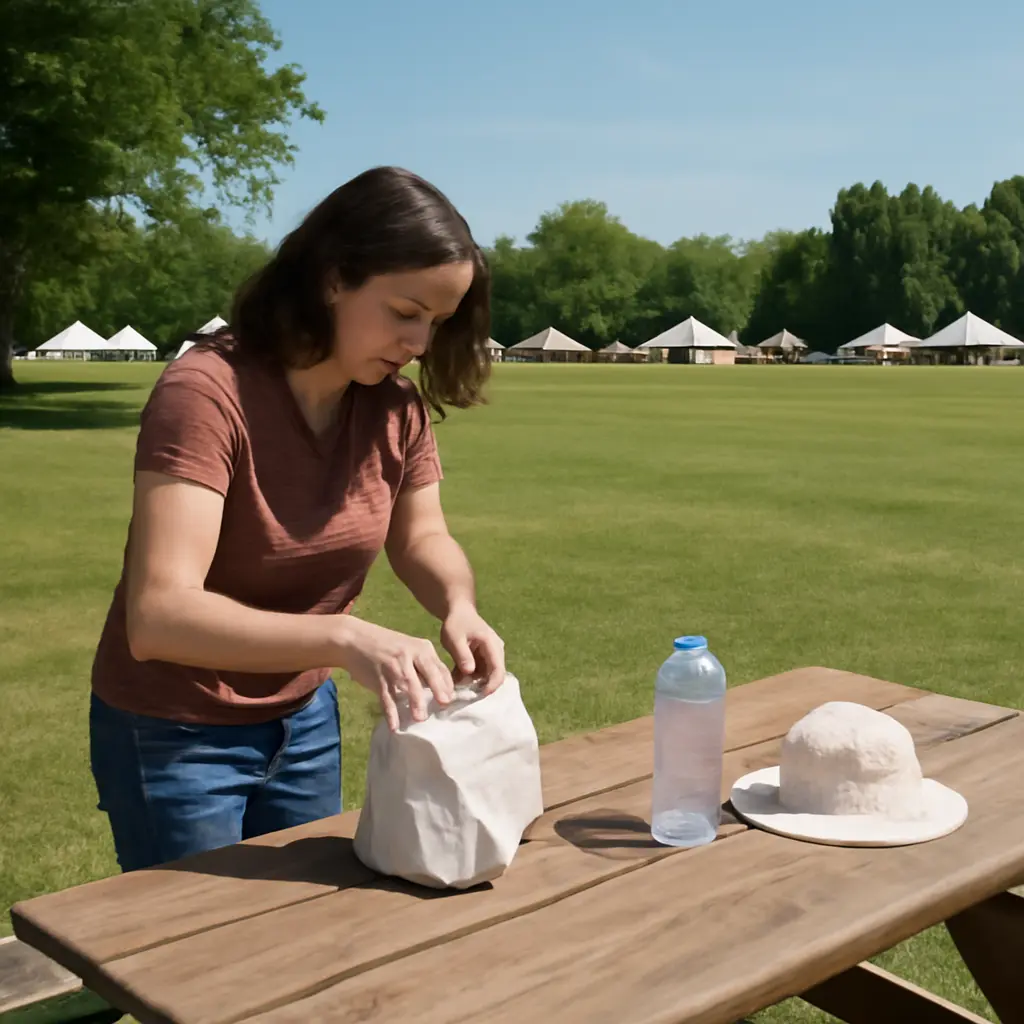
A compact family kit can include water, familiar snacks, wipes, sun protection, a change of clothes, any needed medication, and a small comfort item. For infants, follow safe-feeding and age-appropriate food guidance; for all children, account for allergies and dietary needs. The CDC recommends using sunscreen with broad-spectrum protection of SPF 15 or higher, applying it as directed, and combining it with shade and protective clothing. Sunscreen does not replace seeking shade or limiting exposure during intense sun.
Arrival: Establish a Meeting and Safety Plan
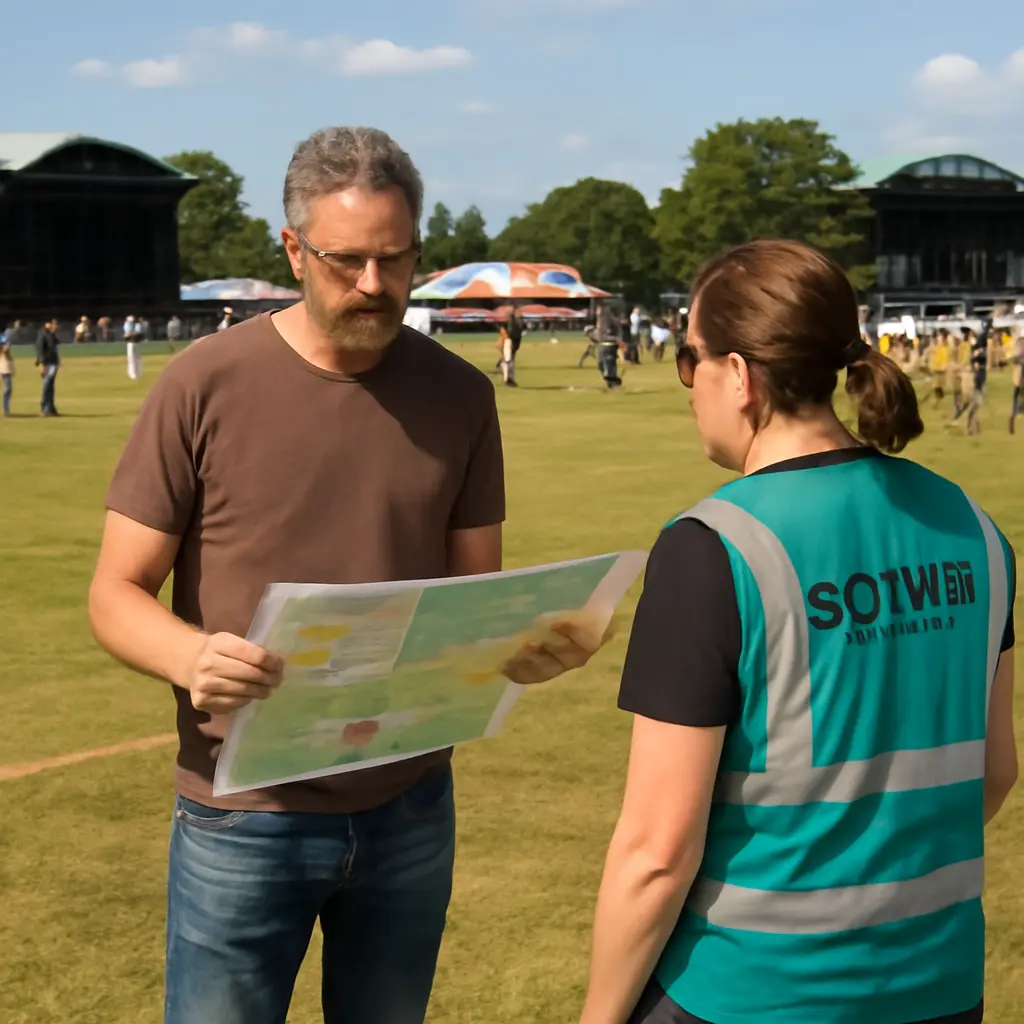
Arrival is the time to orient the family before the crowd becomes distracting. Point out a recognizable meeting place, such as a staffed information booth, and agree on what a child should do if separated: stay in a safe spot and ask an identifiable event worker or another trusted adult for help. Young children should remain within close reach, and adults can agree in advance on who is watching each child during transitions.
The National Center for Missing & Exploited Children recommends teaching children how to seek help from trusted adults and practicing family safety plans. A caregiver can also place contact information in a child’s pocket or on an identification card, while avoiding unnecessary personal details displayed openly. For a stroller or mobility device, check that the route is practical and that the child is secured according to the manufacturer’s instructions.
Activities: Choose a Few Priorities and Follow the Child’s Pace
A festival schedule works best when it alternates engaging activities with chances to pause. Choose a small number of age-appropriate highlights, such as a performance, craft area, or short ride, and leave room for spontaneous interests. A child may enjoy watching from the edge of a crowd rather than standing near loud speakers; ear defenders can help if noise is uncomfortable, but they should not prevent a caregiver from supervising or communicating with the child.
Use the child’s behavior as information. Slowing down, irritability, clinginess, or loss of interest may signal hunger, fatigue, sensory overload, or a need for a toilet break. Rather than treating those signals as misbehavior, pause and adjust the plan. The CDC identifies headache, nausea, dizziness, weakness, and heavy sweating among possible signs of heat exhaustion; if a child seems unwell in the heat, move to a cooler place, offer appropriate fluids if they are alert and able to drink, and seek medical assistance when symptoms are severe or worsening.
Festival-Day Routines Balance Food, Rest, Safety, and Sensory Needs
The routine’s most important job is to balance stimulation with recovery. Children may enjoy the music, colourful stalls, and social activity, but a full day of walking and waiting can become demanding. Planned breaks reduce the pressure to push through discomfort and help adults notice when the original plan needs to change.
Food and Water: Plan Regular Opportunities to Refuel
Food and water planning means offering familiar, suitable options before a child becomes very hungry or thirsty. Identify where water is available and whether the event allows refillable bottles or outside food. Pack snacks that meet the child’s age, allergy, and choking-risk needs, and check vendor ingredients when food allergies or dietary restrictions are involved.
There is no single fluid schedule that fits every child, because needs vary with age, activity, temperature, and health. The CDC advises drinking more fluids during hot weather and not waiting until thirst develops. Caregivers should follow a child’s clinician’s advice where a medical condition affects hydration or diet, and seek help for concerning symptoms rather than relying on snacks or water alone.
Rest and Shade: Build Recovery Into the Day
Rest is a planned pause in a less crowded, cooler, or quieter place. It might be a shaded picnic area, a calm space provided by the event, or a short return to the car if that is safe and practical. Keep breaks flexible: a brief reset may be enough for one child, while another may need a longer rest or an early departure.
The CDC’s heat guidance recommends staying in air-conditioned spaces when possible during extreme heat and checking on people more vulnerable to heat, including children. At outdoor events, shade, lightweight clothing, regular cooling breaks, and reduced exertion during the hottest part of the day can support comfort. If the event offers a sensory-friendly area, family room, or quiet tent, locate it on arrival rather than waiting until a child is distressed.
Sensory Comfort: Adapt the Environment Where Possible
Sensory comfort means adjusting exposure to sound, crowds, bright lights, and waiting so a child can participate without becoming overwhelmed. Families can stand farther from speakers, choose less crowded routes, preview the programme, and let a child know before a loud performance begins. A familiar toy or comfort object may help, while a break outside the busiest area can restore calm.
Children differ in how they respond to stimulation, so caregivers should avoid assuming that one strategy suits everyone. If a child communicates discomfort through words, gestures, or behavior, treat that communication as a cue to pause and offer choices. Festival organizers may publish accessibility information or sensory guides; checking these in advance can reveal quieter entry times, accessible toilets, and low-stimulation spaces.
A Flexible Schedule Makes the Routine Work in Real Conditions
A practical routine uses time anchors rather than a minute-by-minute itinerary. For example, a family might arrive near opening, visit one priority activity, take a snack and shade break, attend a short performance, and leave before the child is exhausted. This is a sample structure, not a universal schedule; infants, toddlers, preschoolers, and children with additional support needs may require different pacing.
Families can make a simple “Plan A and Plan B.” Plan A includes the preferred activities. Plan B identifies a quieter alternative, a nearby place to rest, and a threshold for heading home. A visual list or a few clear verbal steps can help children understand what comes next. The key measure of success is not how many attractions the family completes, but whether the outing remains safe, manageable, and enjoyable.
A Sample Routine for a Family Festival Day
- Before leaving, check weather, access details, event rules, food needs, and the child’s usual nap or meal pattern.
- On arrival, locate toilets, water, first aid, a quiet area, and a recognizable meeting point.
- Start with one priority activity while the child is relatively rested.
- Pause for water, food, and shade before signs of fatigue become pronounced.
- Choose a second activity only if the child is coping comfortably; otherwise, rest or explore a quieter area.
- Leave with enough time for a calm transition, and be willing to depart early if the child is tired or unwell.
Real-World Example: Adjusting the Plan During a Hot, Busy Afternoon
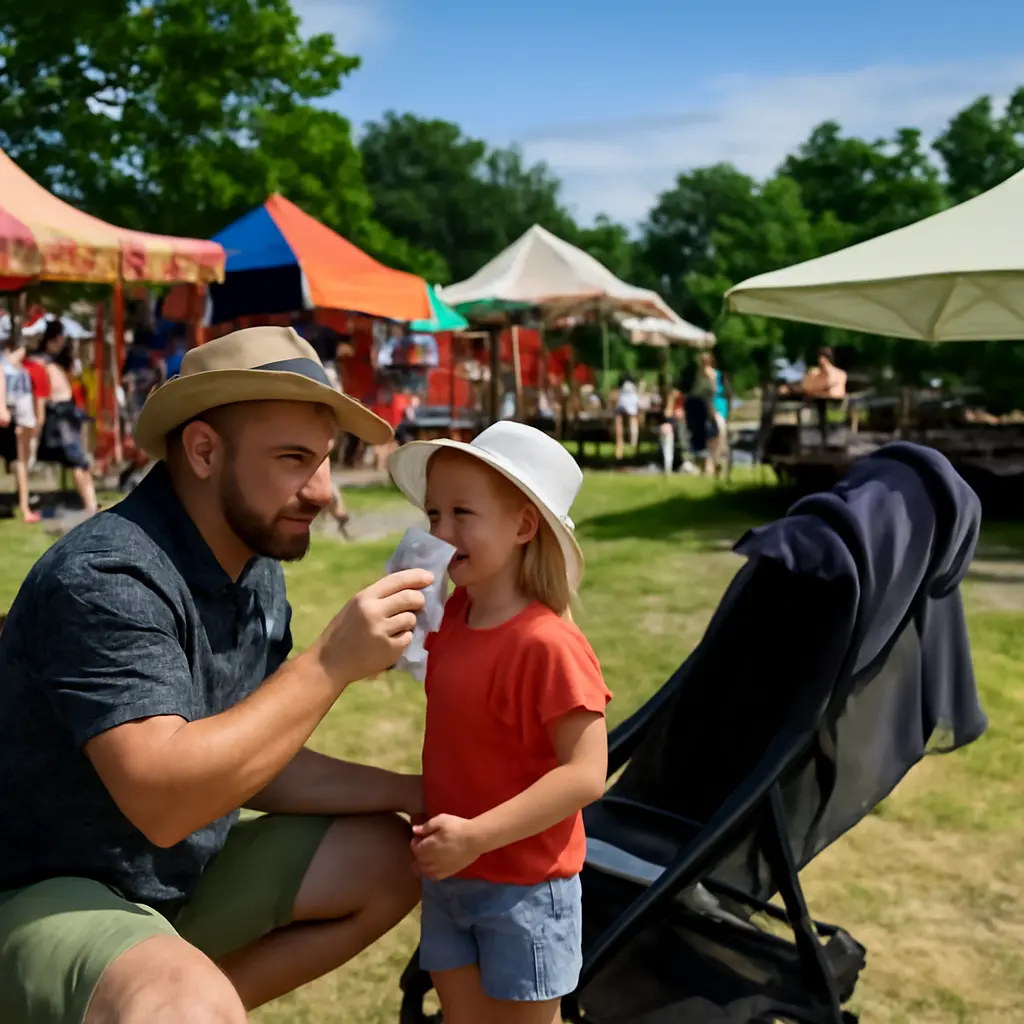
Imagine a caregiver arriving with a preschooler for a summer festival. After one performance, the child becomes quiet and irritable while the queue for a ride grows. Instead of insisting on the ride, the caregiver moves to shade, offers water and a familiar snack, checks whether the child feels unwell, and chooses a quieter activity. If the child does not recover or shows concerning symptoms, the caregiver seeks event medical support or leaves. This small change puts the routine’s purpose into practice: respond to the child, not the itinerary.
Conclusion: A Successful Festival Day Follows the Child’s Needs
A parent’s successful festival-day routine begins with preparation, establishes safety on arrival, and balances activities with food, water, shade, rest, and sensory breaks. A short priority list, a meeting plan, and a flexible alternative make busy settings easier to manage. Use the event’s accessibility and health information, watch for signs of fatigue or heat illness, and treat an early departure as a sensible option—not a failure.
Before your next outing, check the festival’s official guidance, pack for your child’s specific needs, and agree on a simple Plan A and Plan B. The best measure of success is a child who feels supported and a family that can enjoy the day at a pace that works for them.
Sources: Centers for Disease Control and Prevention, Heat and Health, https://www.cdc.gov/heat-health/; Centers for Disease Control and Prevention, About Sun Safety, https://www.cdc.gov/skin-cancer/sun-safety/; American Academy of Pediatrics, HealthyChildren.org, Safety Outside the Home, https://www.healthychildren.org/English/safety-prevention/at-play/Pages/default.aspx; National Center for Missing & Exploited Children, Safety Resources, https://www.missingkids.org/education/safety; Centers for Disease Control and Prevention, About Heat-Related Illness, https://www.cdc.gov/heat-health/about/