A first festival weekend with a baby can be fun, but it takes more planning than your pre-parenthood outings. A family-friendly festival is a public event with music, crowds, food, and facilities that may or may not suit infants; surviving one means checking the event’s rules and amenities, protecting your baby from heat and noise, planning feeds and naps, and having a quick exit strategy. The American Academy of Pediatrics (AAP) advises keeping babies younger than 6 months out of direct sunlight, while the U.S. Environmental Protection Agency recommends limiting children’s exposure to loud sound. Those basics shape a safer, calmer festival plan.
Plan a festival visit around your baby’s needs
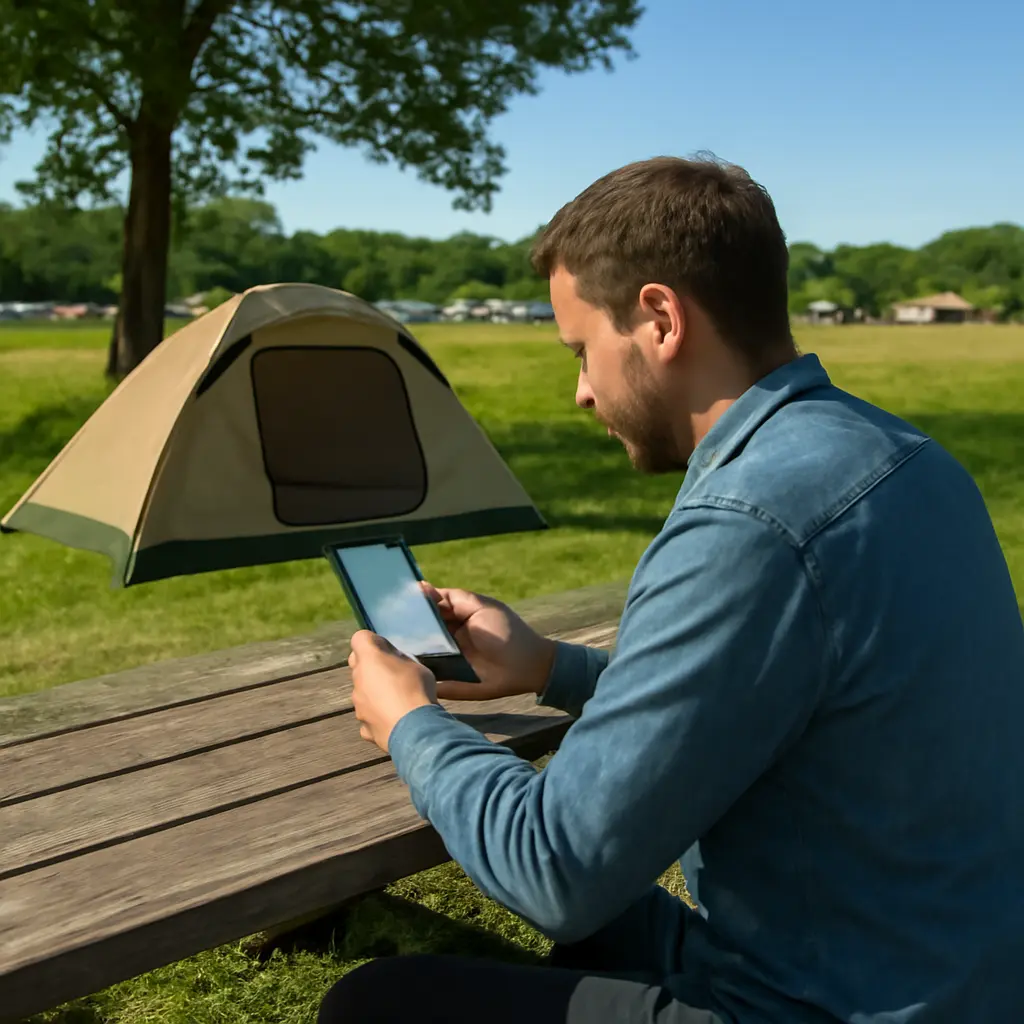
A festival plan is a practical schedule for getting to and around an event while meeting a baby’s needs for feeding, sleep, shade, and comfort. There is no official medical definition of a “baby-friendly festival,” so parents should assess the specific event rather than rely on its marketing. Check the festival’s age policy, bag rules, stroller access, nursing or family areas, drinking water, toilets, medical tent, and re-entry policy before buying tickets or setting out.
The Centers for Disease Control and Prevention (CDC) says infants are especially vulnerable to heat-related illness because their bodies do not regulate temperature as effectively as adults. That makes the day’s forecast, available shade, and the length of your visit more than convenience details. A short daytime appearance with a planned departure may be a better first outing than trying to stay for the headline act.
Check access, facilities, and age rules
Before you go, read the event’s official accessibility and family information. Confirm whether babies are admitted free, whether carriers or strollers are allowed, and whether there are step-free routes, changing tables, a quiet area, and a place to feed. Ask how far the family area is from speakers and whether you can leave and re-enter. If key details are missing, contact the organizer; do not assume that a general “family-friendly” label guarantees infant facilities.
Choose a flexible schedule and meeting point
Plan around your baby’s usual feeding and sleep patterns, but expect the event to disrupt them. Arrive early if that avoids the busiest entry period, identify a quieter place to regroup, and agree on a meeting point in case adults get separated. Keep the first visit short and make leaving early part of the plan—not a sign that the outing failed. For a newborn, a very young or premature baby, or a baby with a health condition, ask your pediatrician whether a crowded outdoor event is appropriate.
Protect babies from festival heat and sun
Heat and sun protection means reducing direct exposure, keeping the baby comfortably cool, and responding promptly to signs of distress. The AAP’s guidance is especially clear for infants under 6 months: keep them out of direct sunlight and use shade, lightweight clothing, and a brimmed hat. The U.S. Food and Drug Administration advises parents to ask a health professional about sunscreen for babies younger than 6 months; shade and protective clothing are the primary safeguards.
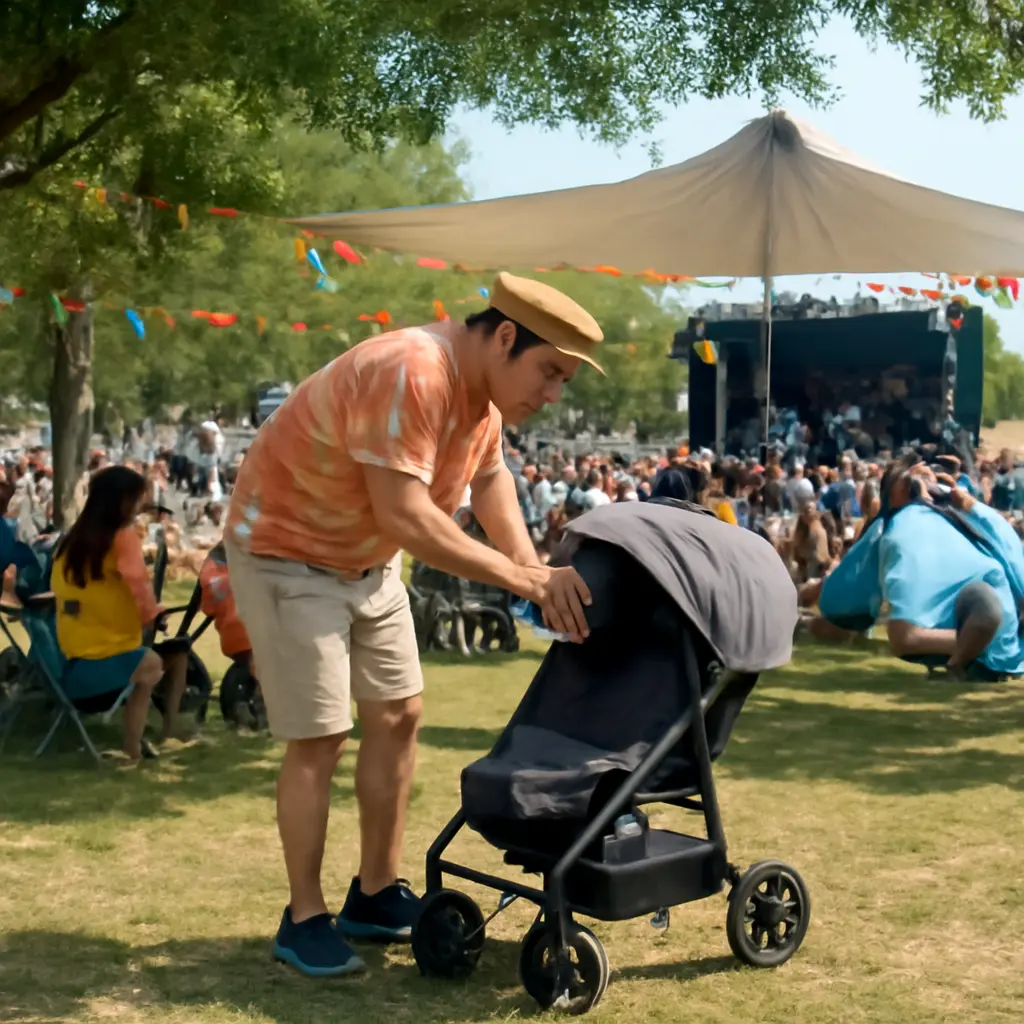
The CDC identifies infants and young children as groups at increased risk during extreme heat. A stroller cover that blocks airflow can trap heat, so use a ventilated sunshade designed for the stroller rather than draping a blanket over it. Check your baby often, take cooling breaks, and leave if the baby seems unusually sleepy, weak, flushed, or distressed. Seek urgent medical help for severe symptoms such as difficulty waking, confusion, or a seizure.
Pack for shade, clothing, and hydration
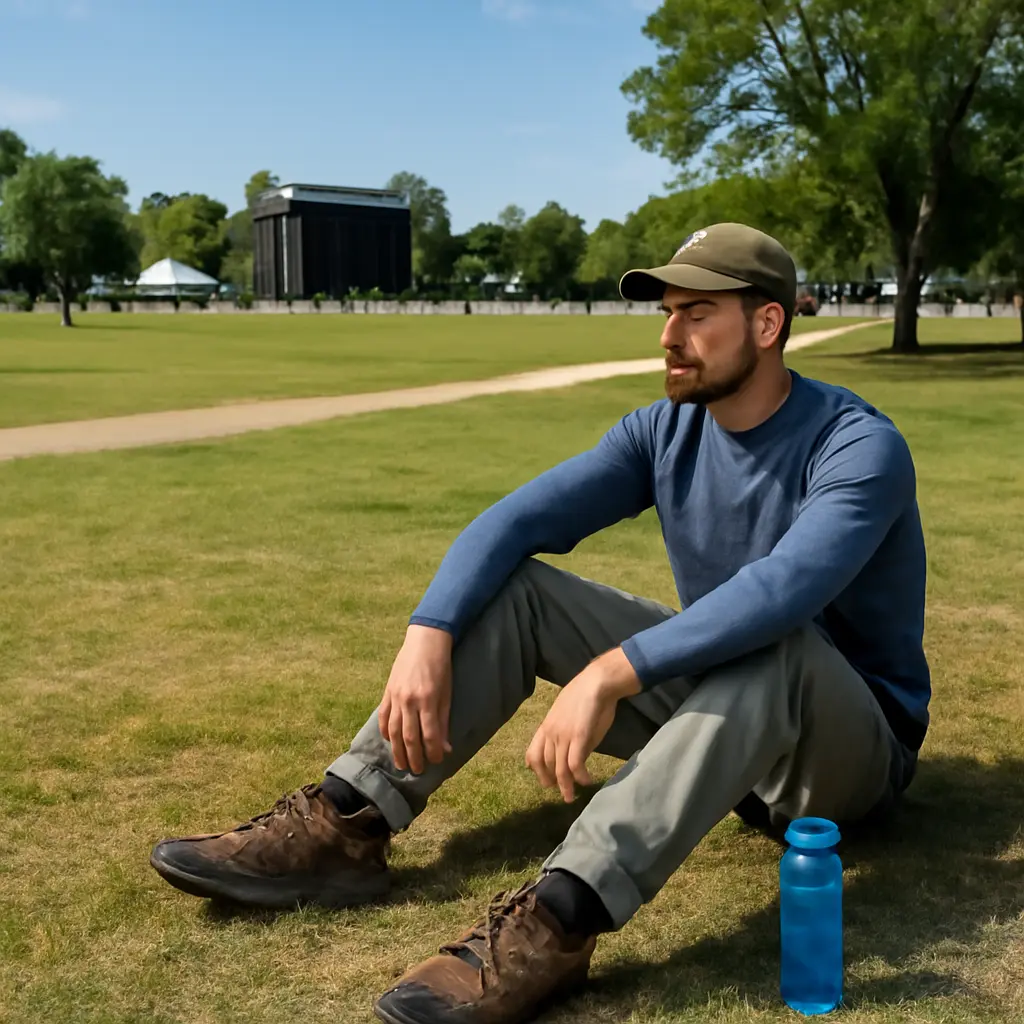
Bring a broad-brimmed hat, light layers, and a properly fitted stroller canopy or other shade. Feed your baby as usual: breast milk or formula remains the appropriate main drink for young infants, and parents should not substitute water for feeds without advice from a clinician. For older babies, follow your usual feeding routine and the pediatrician’s guidance. Carry enough formula or expressed milk for delays, and check the venue’s rules for storing and warming feeds.
Use a heat-check and exit rule
Pick a simple rule before arriving: if you cannot find shade, the baby becomes hot or unsettled, or the temperature rises beyond what you planned for, take a break or leave. A thermometer, weather app, and knowledge of nearby indoor or shaded areas can help, but your baby’s condition matters more than the forecast. Never leave a baby unattended in a parked vehicle, even briefly.
Manage festival noise, crowds, and transport
Noise management is the effort to reduce a baby’s exposure to high sound levels and give them a calmer place to rest. The World Health Organization’s safe-listening guidance recommends keeping recreational sound exposure below 85 decibels for no more than 40 hours a week for adults; that is not a safe threshold for babies. The AAP notes that loud noise can harm hearing and advises distance, hearing protection, or leaving noisy environments. Because sound levels vary across a festival, do not rely on how loud a stage seems to an adult.
Keep distance from speakers and use infant hearing protection
Choose a viewing spot well away from speakers and subwoofers, and move farther away if the sound feels intense or you need to raise your voice to talk. Properly fitted infant earmuffs may reduce sound exposure, but they do not make a spot beside a speaker safe. Do not use adult earplugs in a baby’s ears. If your baby startles, cries persistently, or cannot settle, treat that as a cue to move to a quieter area or go home.
Navigate crowds and travel safely
Crowd planning means choosing routes and equipment that let you keep the baby close and avoid crush points. A baby carrier can be practical on uneven ground, but check the manufacturer’s fit and positioning guidance, keep the baby’s airway visible, and watch for overheating. A stroller may be more comfortable for naps but harder to maneuver in dense crowds; follow the event’s stroller policy and avoid pushing into packed standing areas.
Use an age- and size-appropriate car seat for every car journey, following its installation instructions. A car seat is for travel, not a substitute for a safe sleep space at the festival. If your baby falls asleep in a sitting device, move them to a firm, flat sleep surface as soon as practical, consistent with AAP safe-sleep guidance.
Pack a practical festival kit for parents and baby
A festival kit is a compact set of supplies for feeding, changing, weather, and minor mishaps. Pack for the likely conditions and the venue’s rules rather than carrying every item you own. The CDC’s emergency-preparedness guidance recommends keeping essential supplies available, and the same principle helps parents manage delays or an unexpected change in weather.
Bring the essentials, not the whole nursery
- Diapers, wipes, changing mat, and sealable bags for used items.
- Enough breast milk or formula for the planned visit plus a delay, along with feeding supplies that comply with venue rules.
- Spare baby clothes, a light layer, sun hat, and weather-appropriate cover.
- Shade equipment, a charged phone, and any medicines your baby routinely needs.
- Hand sanitizer for adults, while keeping it out of the baby’s reach.
- Identification and emergency contact details, plus the location of the event’s medical tent.
Make feeding and changing manageable
Look up the location of nursing and changing facilities before you arrive. If you use formula, follow product directions for preparation and safe storage; the CDC warns that prepared formula can become unsafe if held too long or at unsuitable temperatures. Bring clean feeding equipment and avoid relying on festival vendors for infant supplies. If breastfeeding, choose clothing and a comfortable spot that makes feeding practical, and remember that your baby may need to feed more often in hot weather.
Know when to pause, leave, or seek help
A successful first festival is one where the baby stays safe and the adults remain able to respond—not one where you stay until the final song. Babies communicate discomfort through behavior, and a familiar routine can be difficult to maintain amid heat, noise, and stimulation. Watch for persistent crying, unusual lethargy, poor feeding, fewer wet diapers than usual, or difficulty settling, and take a quiet break early.
Recognize warning signs
Seek prompt medical advice if your baby has signs of dehydration or is feeding much less than usual. For a baby younger than 3 months, a temperature of 100.4°F (38°C) or higher requires immediate contact with a health professional, according to the AAP. Call emergency services for severe symptoms such as trouble breathing, unresponsiveness, or a seizure. Locate the medical tent on arrival and tell staff clearly that the patient is an infant.
Treat an early departure as good planning
Before setting out, decide how you will get home if the baby becomes overwhelmed, the weather turns, or facilities are unsuitable. Keep transport fare or a ride option available, and do not let sunk ticket costs override your baby’s needs. If the first visit is brief, you have still learned which arrival time, gear, and facilities work for your family—useful information for the next outing.
Conclusion: make the first festival a low-pressure outing
A manageable first festival weekend starts with checking the venue, keeping the schedule flexible, and planning for shade, feeding, changing, sound, and transport. The AAP, CDC, FDA, and WHO provide useful guidance on infant sun and heat safety, feeding, safe sleep, and noise exposure, but no checklist replaces watching your baby and responding to their needs. Choose a short visit, stay well away from speakers and direct sun, and leave when conditions stop working. Before you go, review your festival’s current family and access rules and discuss any medical concerns with your pediatrician.
Sources: American Academy of Pediatrics, Sun Safety: Information for Parents About Sunburn & Sun Protection, https://www.healthychildren.org/English/safety-prevention/at-play/Pages/Sun-Safety.aspx; American Academy of Pediatrics, Noise: A Hazard for the Fetus and Newborn, https://publications.aap.org/pediatrics/article/100/4/724/61617/Noise-A-Hazard-for-the-Fetus-and-Newborn; American Academy of Pediatrics, Safe Sleep: Recommendations, https://www.healthychildren.org/English/ages-stages/baby/sleep/Pages/a-parents-guide-to-safe-sleep.aspx; Centers for Disease Control and Prevention, Heat and Infants and Children, https://www.cdc.gov/heat-health/risk-factors/heat-and-infants-and-children.html; Centers for Disease Control and Prevention, Infant Formula Preparation and Storage, https://www.cdc.gov/infant-toddler-nutrition/about/infant-formula-preparation-and-storage.html; U.S. Food and Drug Administration, Should You Put Sunscreen on Infants? Not Usually, https://www.fda.gov/consumers/consumer-updates/should-you-put-sunscreen-infants-not-usually; World Health Organization, Make Listening Safe, https://www.who.int/initiatives/make-listening-safe